Will there be more midterm conventions?
November election outcome will determine whether this becomes a biennial tradition
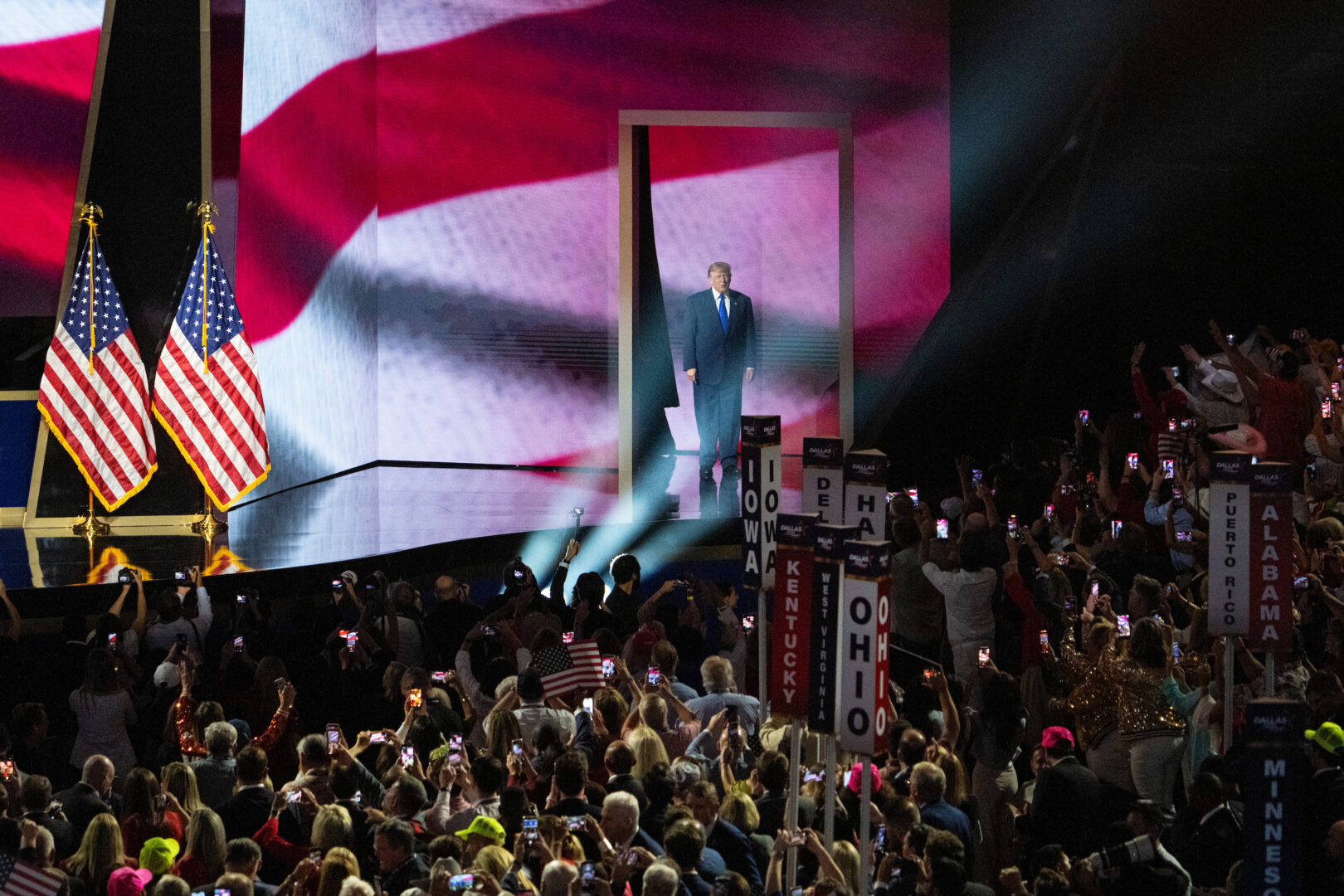
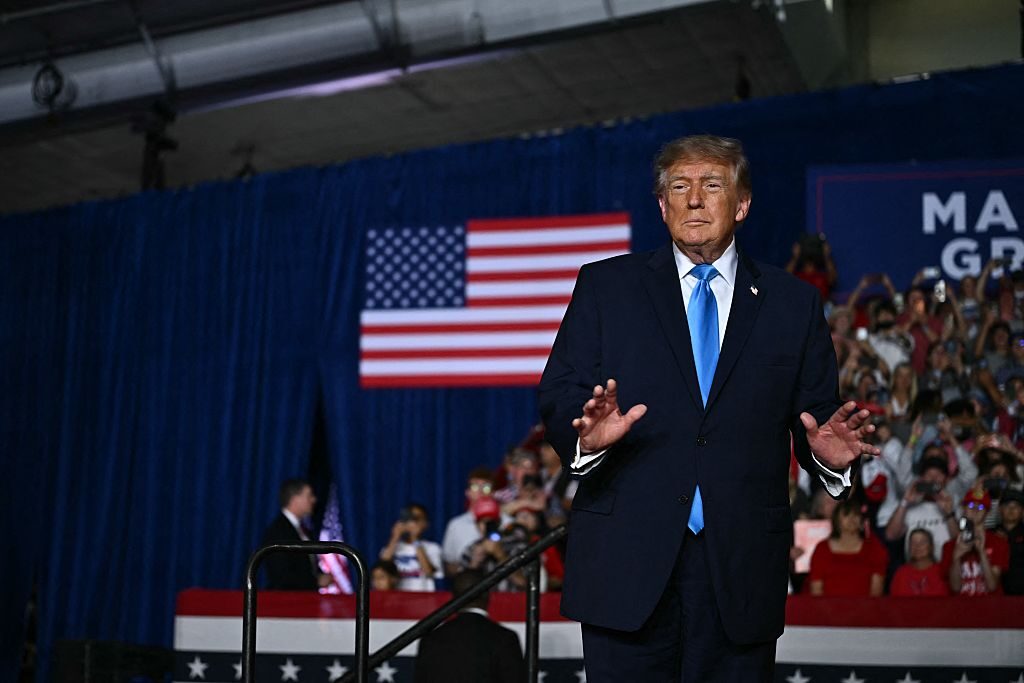
ANALYSIS – After Republicans gathered in Dallas last week for a rare midterm convention, it’s worth pondering: Was it a one-off event or the beginning of a new election tradition?
In recent decades, conventions have typically been reserved for party business, including the formal nomination of a presidential candidate. It had been more than 40 years since a party had officially gathered during a midterm election cycle. Prior to Dallas, it was the Democrats who’d met during a midterm year, convening in Kansas City, Mo., in 1974; Memphis, Tenn., in 1978; and Philadelphia in 1982. The first two of those gatherings, however, were held in December, after the midterm elections.
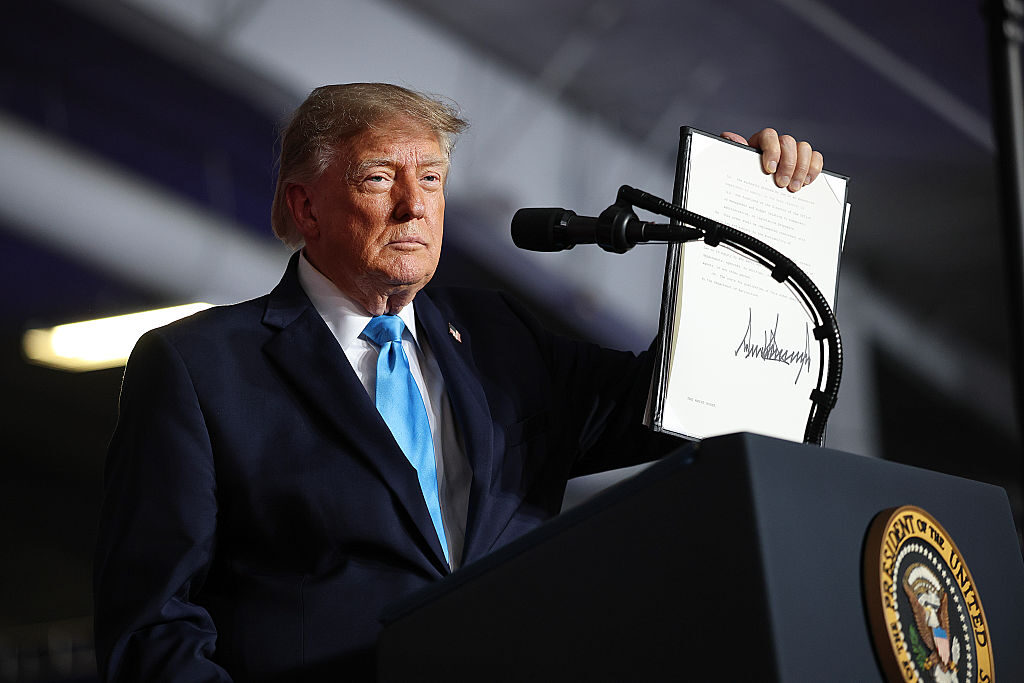
In their quest to retain their narrow majorities in Congress this year, Republicans face distinct political headwinds. So it should not be a surprise that the party went along with President Donald Trump’s plan to try something new. The GOP is suffering from a voter enthusiasm gap, with a potential turnout problem. Trump’s job approval rating is south of 40 percent, and historical midterm trends point to Republicans losing control of at least the House.
Needing to shake things up, Republicans decided that a made-for-TV spectacular with Trump as the focus was the answer to their problems. And even though the president is unpopular and polarizing, at least 16 congressional challengers and vulnerable incumbents made the journey to Dallas. While a fresh connection to Trump could represent a liability in a competitive race, these candidates decided that the national exposure was worth the risk, especially since Democrats were going to tie them to the president whether they attended or not.
Ultimately, as with most campaign strategies and decisions, the Republican midterm convention will be judged by the November results. If the party bucks the historical midterm trends and holds both chambers of Congress, both parties are likely to consider similar events in future cycles. Conversely, if Republicans get swamped and lose control of the House and Senate, future midterm conventions would be less likely.
Any Republican losses in November will have more to do with Trump’s weak political standing and voters’ frustrations over the economy and the Iran war than who spoke on stage at the American Airlines Center in early September. But that won’t really matter. Neither party will be likely to go through with the hassle of a midterm convention if there isn’t a clear political payoff.
At a minimum, there will probably be more thought put into convention scheduling going forward, specifically finding ways not to compete with the opening nights of the NFL season or other popular events in order to maximize viewership.
For this cycle, we could see some post-election analysis of how GOP candidates who attended the convention performed compared with those in similar races who chose to pass on the party gathering. But, again, candidates who came to Dallas and subsequently lost may have lost anyway.
What’s most important is what the parties think happened, because the latter will drive future behavior. For example, Democrats overperformed in the 2022 midterm elections in spite of President Joe Biden’s weak standing. But that performance caused Biden’s team to encourage him to run for reelection — a disastrous political decision as it turned out.
This year, if Republicans lose, they’ll have to decide who or what is to blame. Up to this point, they’ve been reluctant to blame Trump, but would things finally change if they lose their majorities in Congress? Or would they find someone or something else to take the fall?
And if Republicans defy expectations and buck midterm trends, we could see them to embrace Trump and his approach even more. When in reality, any GOP success in November would likely be a rejection of the Democratic brand and socialism, rather than a change of heart about the president.