Republicans, it’s time to close the deal: Go positive
They have the ideological advantage, but the key to beating the competition is offering a better product

The clock is ticking on the upcoming congressional election. House and Senate Republicans are facing some rough headwinds in these final days, including the president’s negative job approval and their slippage with voters on the question of who can better handle economic issues. There may not be many cards left for the GOP to play, even with their cash advantages.
But in all the talk of a blue wave, which may yet come, one crucial factor has been all but ignored by the commentariat and the media. The best card in the hand Republicans have been dealt is their positioning ideologically with voters — their proximity to what remains a center-right electorate despite all the buzz about the rise of socialism in America.
In a number of columns, I’ve talked about the negative brand images of both parties. To help measure how voters see themselves ideologically and vis-à-vis Republicans and Democrats, our firm developed an analytical scale that we’ve used for 20 years, most recently in our Winning the Issues survey (Sept. 12–16).
We asked 1,000 voters to place themselves on a scale of 1 to 9 —1 being very liberal, 5 being moderate and 9 being very conservative. When averaged together, voters put themselves at 5.38, a center-right position.
The data shows some very liberal voters will put themselves at 1, and we also see some conservatives self-describe at 9. But when taken together, voters in this country still see themselves overall as center-right.
We also asked respondents how they view Republicans and Democrats and asked them to place each party on the scale. The electorate put Republicans to the right at 6.91, Democrats at 3.6 to the left. So that puts Republicans actually closer to the average voter (a distance of 1.53) than Democrats (1.78).
One way to see these stats is by using an economic term. If the two parties were competing stores selling political ideas and policies as their products, we’d call this differential “economic distance,” the cost of time and effort that makes a consumer have a preference for one store over another.
In political terms, this is a closer alignment with voters’ issue priorities and ideology. Republicans have the ideological advantage, but the key to beating the competition is also offering consumers products that address their needs. These are policies that enhance economic opportunities and outcomes for individuals and families. If a “store” is not addressing those needs, consumers will look for other stores.
In other words, each partisan “store” needs good policy products — and one more thing, effective marketing. Instead, both parties spend their time telling everybody how bad the other store is rather than promoting their own policy products.
Because Republicans are more in tune with voters ideologically, voters should have a natural preference for the center-right party. Congressional Republicans also have a record of legislative actions to point to but have failed to persuade voters of the value of their products.
Republicans should be talking about what they have accomplished and what they plan to do in the future. Doing otherwise, coupled with the president’s now historic low job approval, has cost them the issue advantage they have enjoyed until recently and could put their natural ideological advantage with the electorate at risk. Republicans definitely have more work to do, and the reality is that time is running out.
Democrats have a different problem. As the issue of socialism versus capitalism has taken hold in the past few months, the disconnect between Democrats and the electorate on the value of our capitalistic economy has become more and more evident.
In a Fox News poll taken Oct. 9–12, with 1,202 registered voters, the survey found stark differences between GOP and independent voters in contrast with Democratic voters.
When Fox asked voters whether they had a favorable or unfavorable view of socialism and capitalism, those differences were clear. Overall, socialism had a 32 percent favorable and 64 percent unfavorable. Republicans viewed socialism negatively, 14 to 82, and the all-important independents were similar at 21 to 76.
Democrats, however, had a different take. They viewed socialism positively by a 52 favorable-42 unfavorable margin.
Capitalism took some lumps, too, but still ended up in the positive. Overall, voters gave capitalism a 51 percent favorable and 46 percent unfavorable. Not surprisingly, Republicans were at 69/28 fav/unfav. Independents, however, weighed in at 39/55, similar to Democrats at 37/60.
It’s hard to know whether this is a trend or the result of voter frustration with the current state of the economy and voter dissatisfaction with the president’s handling of inflation. Trump’s overall job approval in the Fox survey was 36 percent favorable, 64 percent unfavorable.
Still, nominating Democratic Socialists of America and other extreme candidates has only reinforced voter skepticism of what appears to be the Democratic Party’s lurch to the left.
Post-primary, we’ve seen Democratic candidates like James Talarico and Abdul El-Sayed walking back past statements as they try to reposition themselves as centrists. They recognize that many of their issue positions and policies have ideologically distanced them from their voters and are trying to close that gap. But will voters buy it?
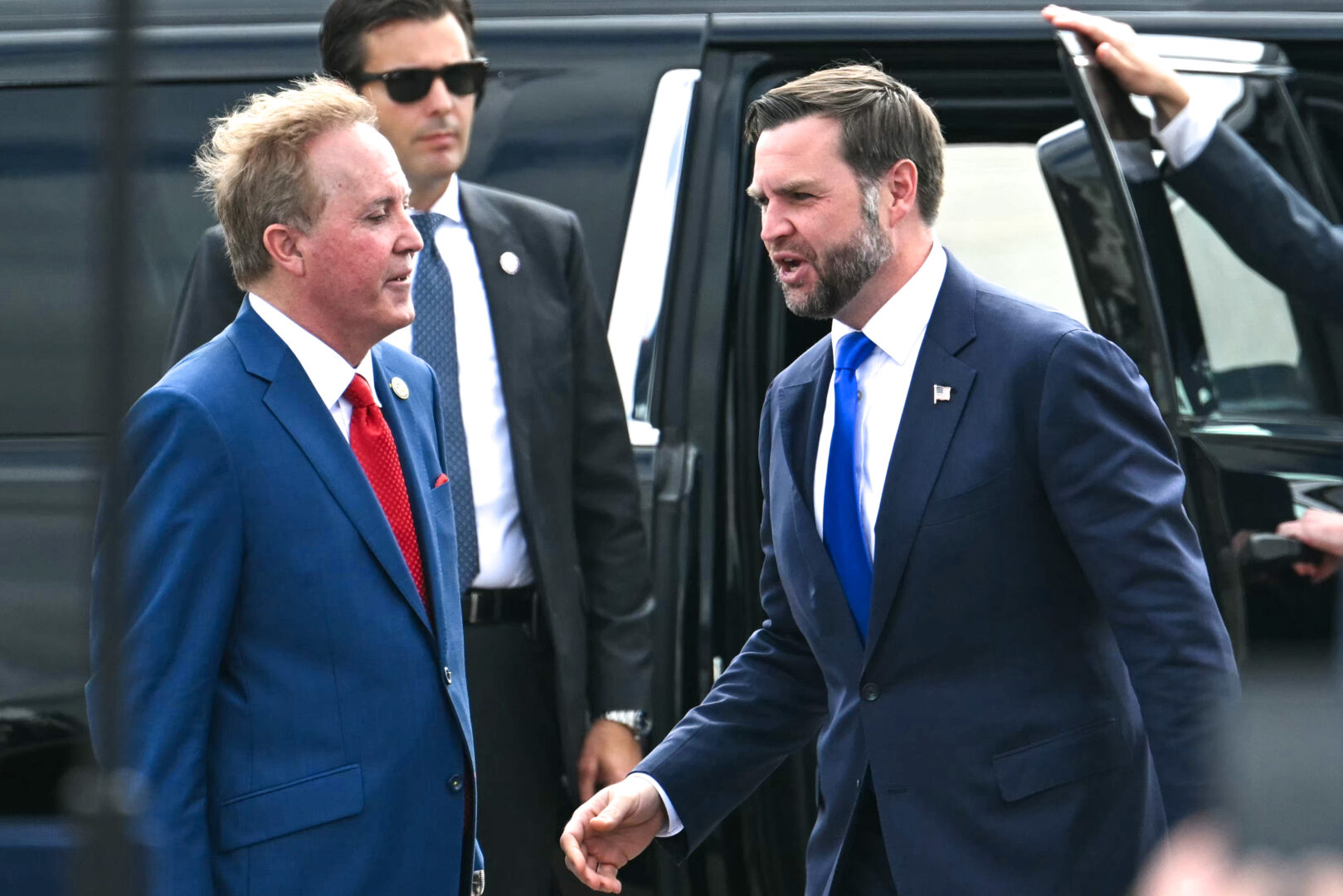
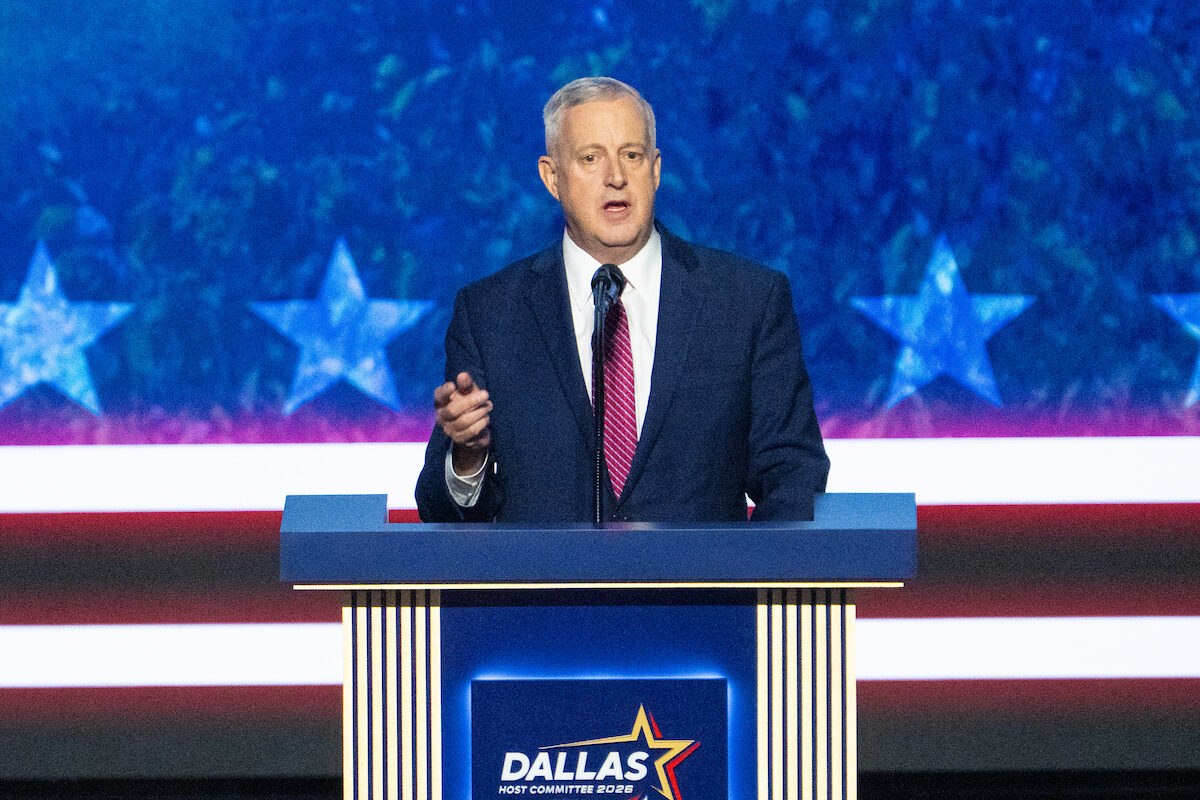
They might, given the depth of their unhappiness with the state of the economy — inflation, gas and food prices, housing costs and a war that Democrats blame for it all. Ken Paxton and Mike Rogers will point out their opponents’ inconsistencies. That’s fair game. So is contrasting the ideological and issue differences between candidates. But in the end, each must make a case for themselves that resonates with voters.
Given the current election dynamics, my advice to Republican candidates is simple: Go positive. Tone down the negativity. Make what debates remain substantive, civil discussions not battles to the bottom. Use your money advantage to “sell your product” — you, your values, your record and your policy priorities going forward.
People want a reason to vote for a candidate, not against someone else. The candidate who offers credible solutions to meet their needs — better products, if you will — is the candidate likely to win.
David Winston is the president of The Winston Group and a longtime adviser to congressional Republicans. He previously served as the director of planning for Speaker Newt Gingrich. He advises Fortune 100 companies, foundations and nonprofit organizations on strategic planning and public policy issues, as well as serving as an election analyst for CBS News.