Supreme Court backs US power to strip green cards
Decision clarifies when border officials can suspend lawful permanent status
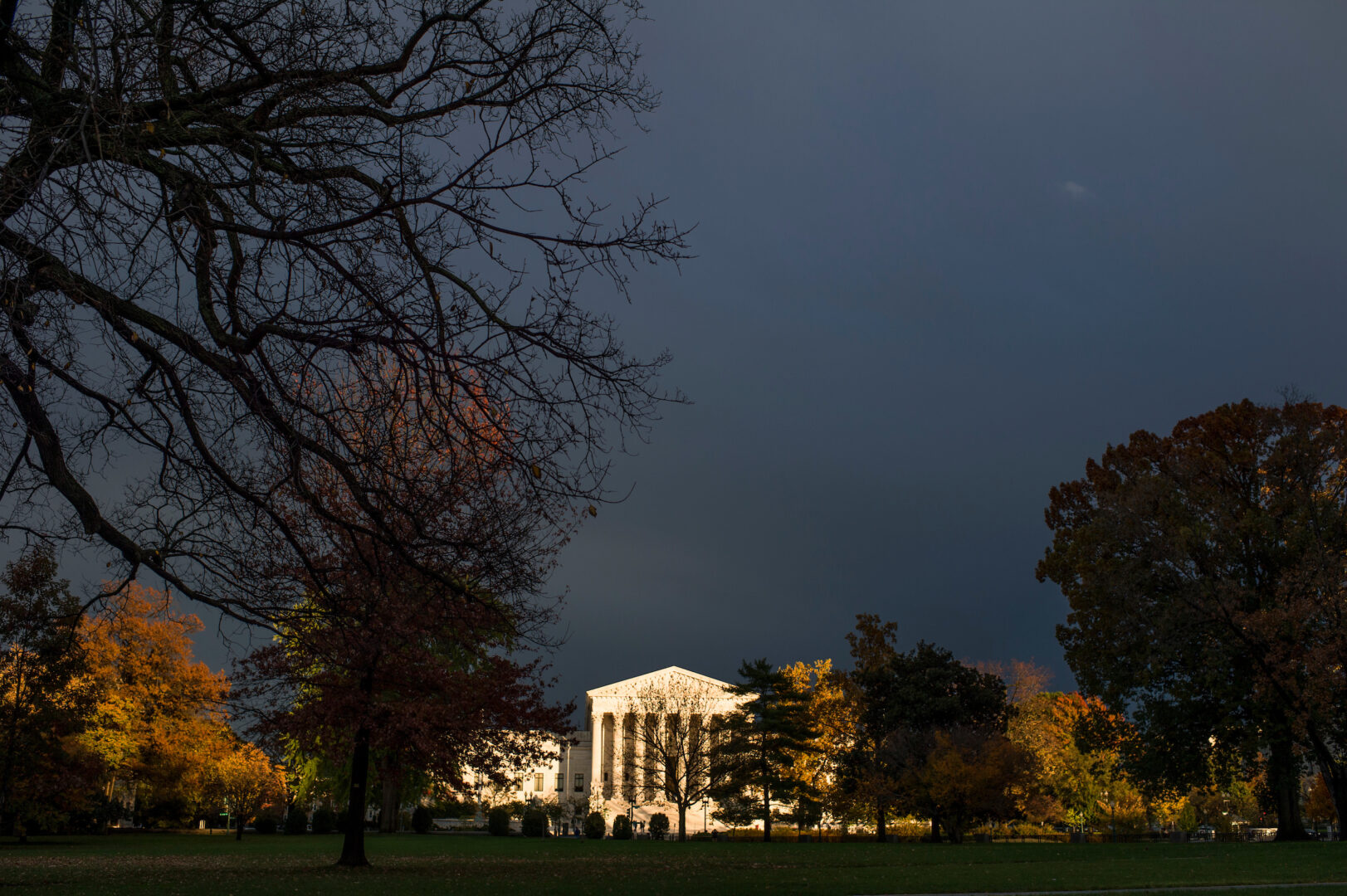
The Supreme Court ruled Tuesday that federal border officials can use an indictment or other accusation to temporarily strip green cards from immigrants as they reenter the country.
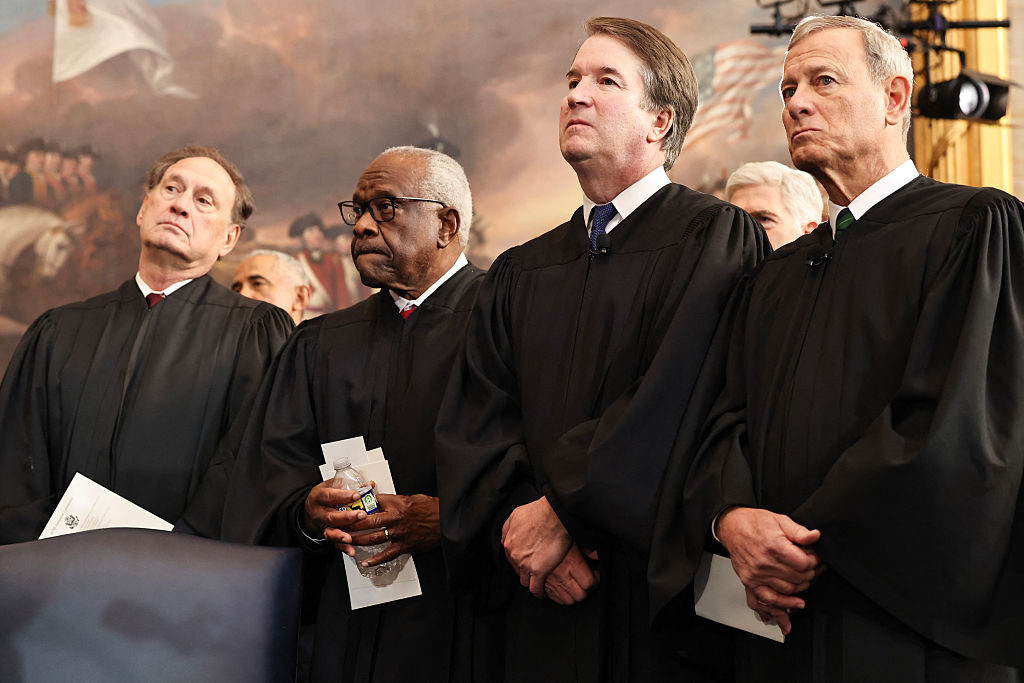
The 6-3 opinion, written by Justice Clarence Thomas, says the officials do not need to have “clear and convincing” evidence of offenses at the time of the decision to suspend the status of a Lawful Permanent Resident, commonly known as a green card holder.
Under federal immigration law, green card holders are presumed to be able to reenter the country. But there are certain exceptions, such as when the immigrant has “committed” certain offenses, or admits to doing so, within five years of receiving the green card.
The case started when Muk Choi Lau, a green card holder, was indicted on a counterfeiting charge in New Jersey in 2012 and then left the United States. On his return to the United States, immigration officials took away his green card and instead admitted him into the country with the temporary status of parole.
Lau challenged the decision, and lower courts found that the decision to admit Lau under parole was improper and that immigration officials did not have “clear and convincing” evidence of Lau’s conduct based on the indictment alone.
Tuesday’s decision reversed an appeals court and sent the case back down to that court for resolution, saying that border officials did not have to meet that standard.
“Border officers did not have the burden to establish by clear and convincing evidence that Lau had committed a crime involving moral turpitude,” Thomas wrote.
Justice Ketanji Brown Jackson, in a dissent joined by Justices Elena Kagan and Sonia Sotomayor, wrote that the majority undermined the rule of law and rights of immigrants, and that the government should not be able to impose severe consequences because of unproven allegations.
Jackson wrote that the majority handed the government a “blank check” to suspend the status of Lawful Permanent Residents, then build a case against them later.
“Having enshrined a returning LPR’s already-admitted status, Congress could not have meant for the guarantees it was affording to be so cavalierly swept aside,” Jackson wrote.
Jackson said it is harder for immigrants with suspended green cards to live, work and do business in the United States, despite the protections Congress explicitly wrote into the law.
The case is Todd Blanche v. Muk Choi Lau.