Cruz, coaching legends make pitch for NIL bill on cusp of votes
Labor groups have pressed for athletes to be considered school employees
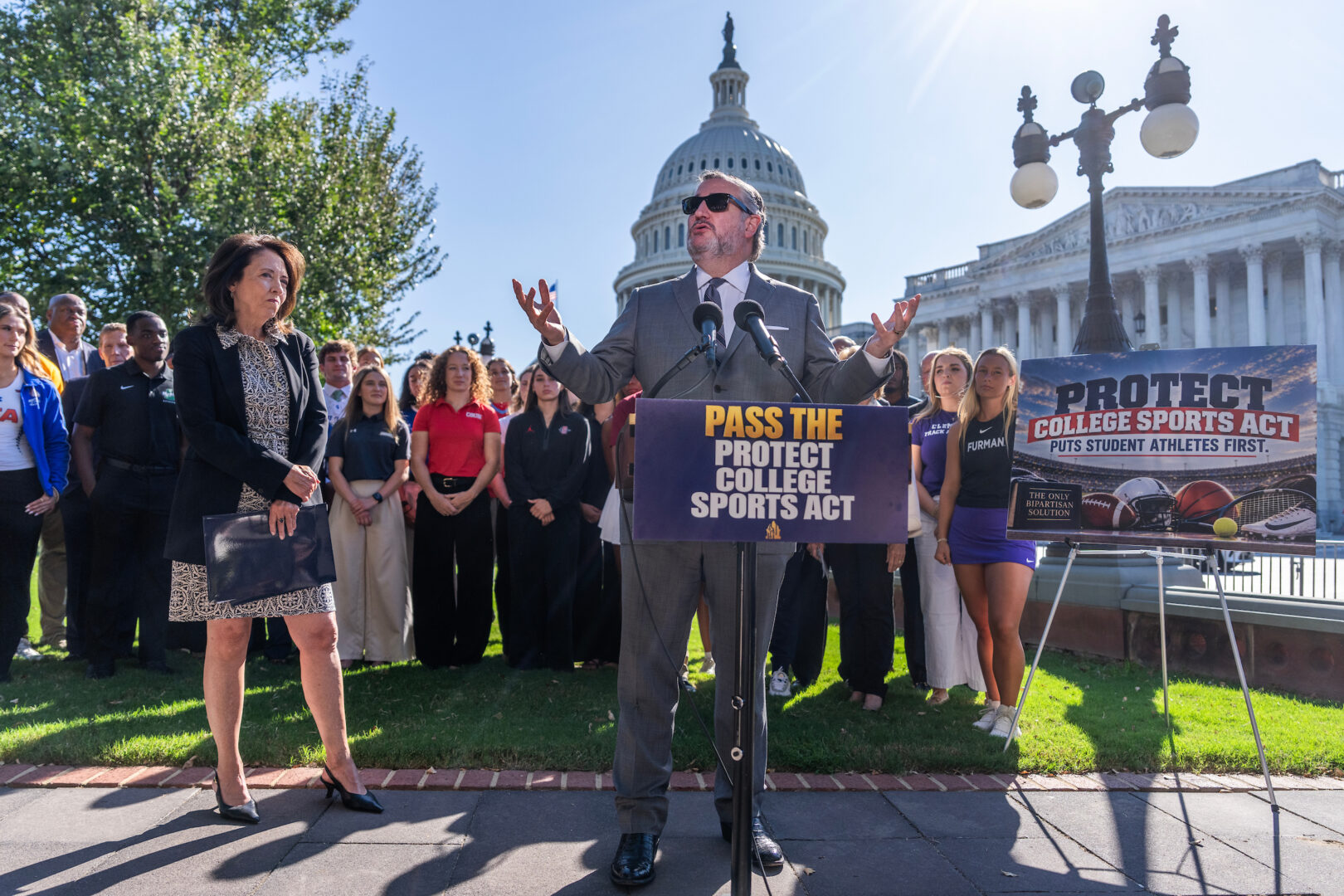
Senate advocates of a bipartisan college sports overhaul bill were joined by legendary coaches and current athletes Monday to try shoring up support for the legislation, which is expected on the chamber floor this month.
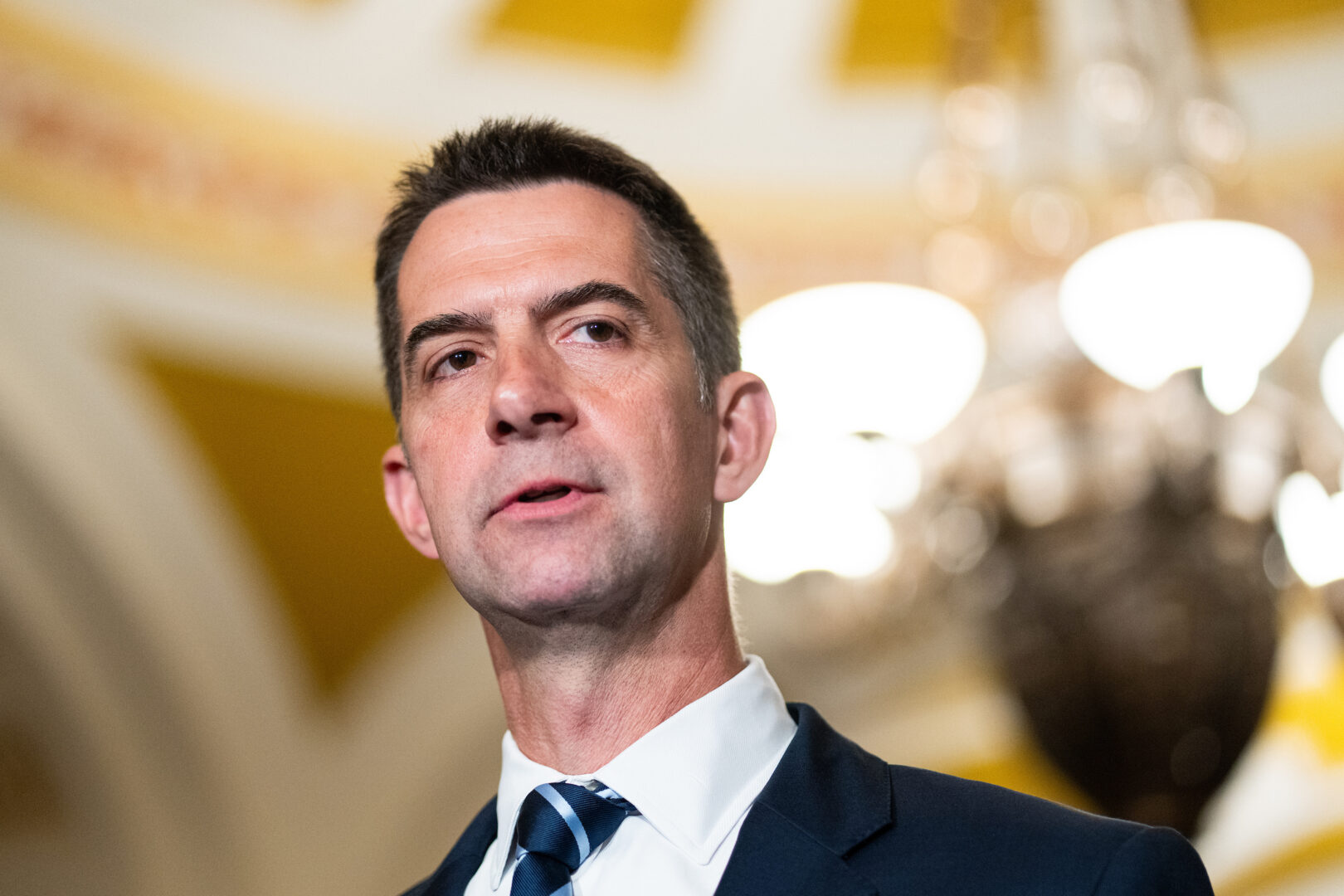
“Some have asked why should Congress get in the middle of this? The answer is simple: because Congress screwed it up in the first place. It has been the federal antitrust laws applied in litigation after litigation after litigation that have had the effect of tearing down essentially all the rules,” Senate Commerce Committee Chair Ted Cruz said during a press conference outside the Capitol.
“So right now, it is the Wild West,” he added. “The ‘Protect College Sports Act’ is bipartisan legislation designed to bring order to the chaos.”
Lawmakers were unable to reach a deal weeks ago that would have teed up votes on the bipartisan bill before the Senate left for an August recess. While senators were scattered across the country, some new critics emerged while Cruz hit the national airwaves, including a 10-minute Saturday morning appearance on ESPN’s popular college football pregame show, “College GameDay.”
The Texas Republican summoned coaches and players to the Capitol grounds Monday, aiming to use some big names from college athletics and student-athletes to convince holdouts to support the standards-creating legislation, which would erect some guardrails in the chaotic name, image and likeness (NIL) era.
Cruz touted provisions that would cap an athlete’s number of transfers and set age restrictions. He also said it would root out illegitimate name, image and likeness deals and usher in protections for players and institutions.
Commerce Committee ranking member Maria Cantwell, D-Wash., focused on college finances, saying some institutions cannot “make ends meet” because of the skyrocketing costs of the NIL era.
“This is about reining in the bad practices that are happening in college sports today, the runaway costs that are sending people to the state legislature asking for bailouts from taxpayers to pay for sports, asking people to take endowment funds that really should go to things like wheat research or AI, and instead have to be spent because of the runaway arms race in sports spending,” she said.
John Calipari, the head men’s basketball coach at the University of Arkansas who won one national championship while coaching at the University of Kentucky, said of the bill: “I think this clears up about 75 to 80 percent of our issues,” adding: “Nothing is perfect. This is a bite out of the apple.”
Craig Bohl, who was the head football coach at North Dakota State University when the Bisons won three consecutive national championships at the Football Championship Subdivision (FCS) level, said the legislation was based on a “profound, profound, deep concern about preserving the pathway forward for a collegiate experience.”
“A little coach-speak as the Senate goes back into session,” added Bohl, now the executive director of the American Football Coaches Association. “Our encouragement is: let’s buckle those chin straps up, let’s get our hands in the dirt, let’s … cross the goal line and get this bill to the president.”
Primarily negotiated and drafted by Cruz, Cantwell, panel member Eric Schmitt, R-Mo., as well as Sen. Chris Coons, D-Del., the measure would establish the first federal framework governing college athletics as lawmakers try to pare skyrocketing costs and lessen roster chaos.
Now, the full Senate must decide whether the issue warrants floor consideration during the chamber’s final weeks in session before November’s midterm elections.
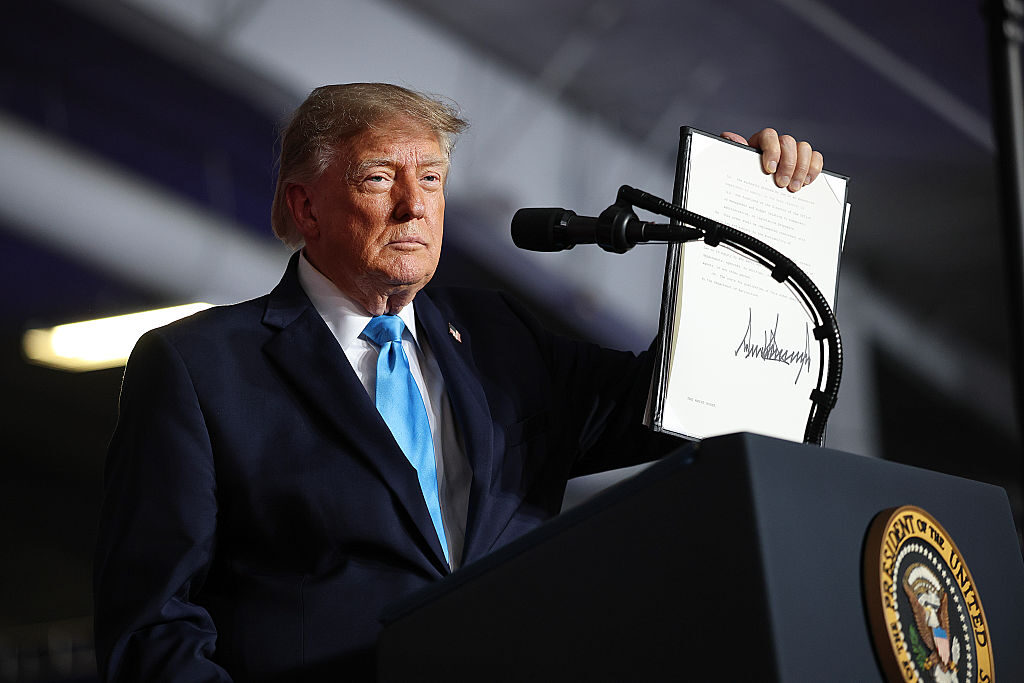
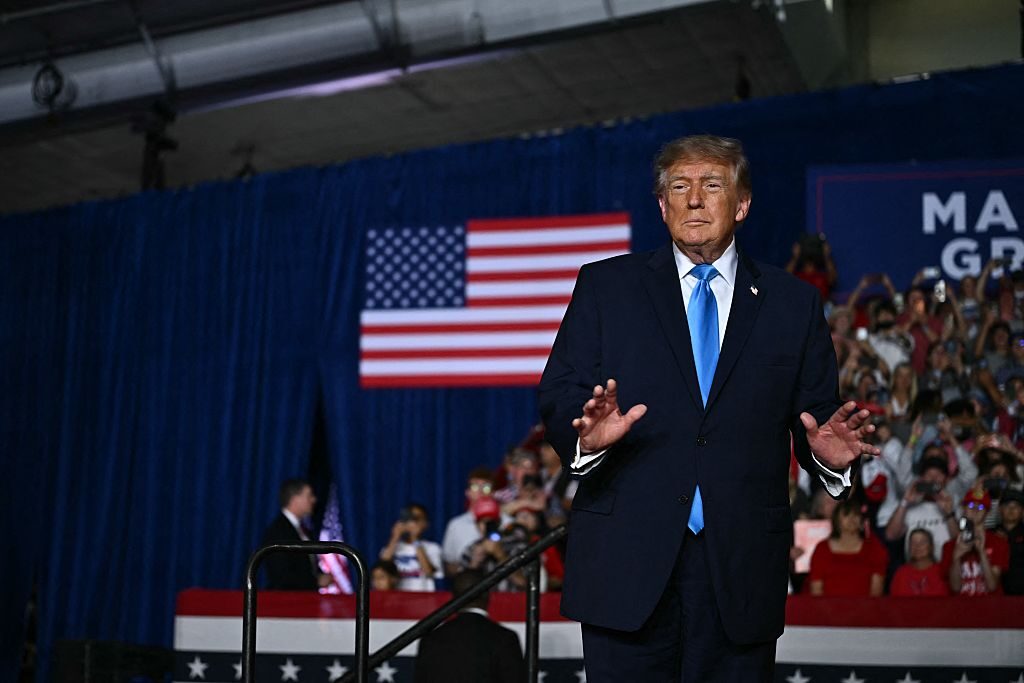
Cruz said Monday that the Senate would vote on the measure in the next 10 days, predicting advocates were “very close” to sending the Commerce-advanced measure to the House. Cruz described President Donald Trump, who has publicly backed the measure several times, as “eager” to sign it into law.
Cruz said his goal is a “big, bipartisan” final passage Senate vote, adding he had spoken recently with House leaders. That conversation led him to believe running up the score on the floor in the Senate would create enough momentum to garner House passage.
Before the Senate left town for their annual summer break, Senate Majority Leader John Thune, R-S.D., agreed to hold a procedural floor vote on the college sports measure between Sept. 15 and Sept. 23. The chamber is scheduled to be in session for most of the rest of this month. Thune filed cloture on the motion to proceed before the chamber departed for August recess, setting up a 60-vote threshold to get onto the bill.
‘In crisis’
Depending on the outcome of a procedural vote on a separate cryptocurrency package, Thune said last week that he’d next pivot to the NIL measure. “Hopefully we’ll get on it, and I think if we can pass it and send it to the House, we got a chance of making law with it,” Thune told GOP commentator Scott Jennings in an interview on the sidelines of Republicans’ midterm convention in Dallas last week.
But the bill has become wrapped up in some GOP lawmakers’ concerns about transgender athletes competing in women’s collegiate sports, among other things. Missouri Sen. Josh Hawley introduced an amendment in August that would alter the measure to state it would not supersede state laws prohibiting “biological men from playing in women’s sports.”
Another hurdle: pressure on Senate Democrats from big labor.
In an Aug. 5 letter to senators, the AFL-CIO called the measure “a legislative effort that preserves institutional control at a time when courts, lawmakers, and the public are increasingly questioning the fairness of the existing model.”
Pro-labor advocates argue college athletes should have a seat at the table in negotiations over any major college sports legislation, especially a bill as broad as the one being debated. They also want athletes to have employment rights, a change that eventually could pave the way for unionization and collective bargaining with schools or conferences.
The “Protect” measure takes no position on whether college athletes should be classified as employees, a provision Democratic co-sponsors viewed as a win during negotiations. That’s because previous Republican-crafted House and Senate measures would have prohibited student-athletes from being considered employees of their respective colleges and universities.
Labor leaders, however, have argued the bipartisan Senate bill’s employment neutrality is less meaningful than it appears. Their focus is on the bill’s antitrust provisions, which would shield the NCAA and conferences from lawsuits over rules governing compensation, eligibility and the transfer portal. Labor advocates say that could make organizing athletes more difficult.
So even without language explicitly addressing employment, the issue remains embedded in the debate. Congressional aides and lobbyists involved in the college sports debate have said legislation that grants college athletes employment rights would face significant Republican opposition — and almost inevitably would sink any bill with such a provision in the GOP-controlled House.
But Coons has reportedly predicted that he believes up to 20 Senate Democrats ultimately will support the bill on the floor.
“Members of both parties, Republicans and Democrats, understand that college sports are in crisis and the ‘Protect College Sports Act’ is the best way to ensure that student-athletes at every level and in every sport gain meaningful new protections like health care and scholarship guarantees,” Coons said in a Monday statement provided by his office.
“When the ‘Protect College Sports Act’ comes to the floor,” he added, “we’re optimistic that it will have the support of a significant number of Senate Democrats.”