Journalists mourn former press gallery director Laura Lytle
She ‘put the press corps first,’ one reporter recalls
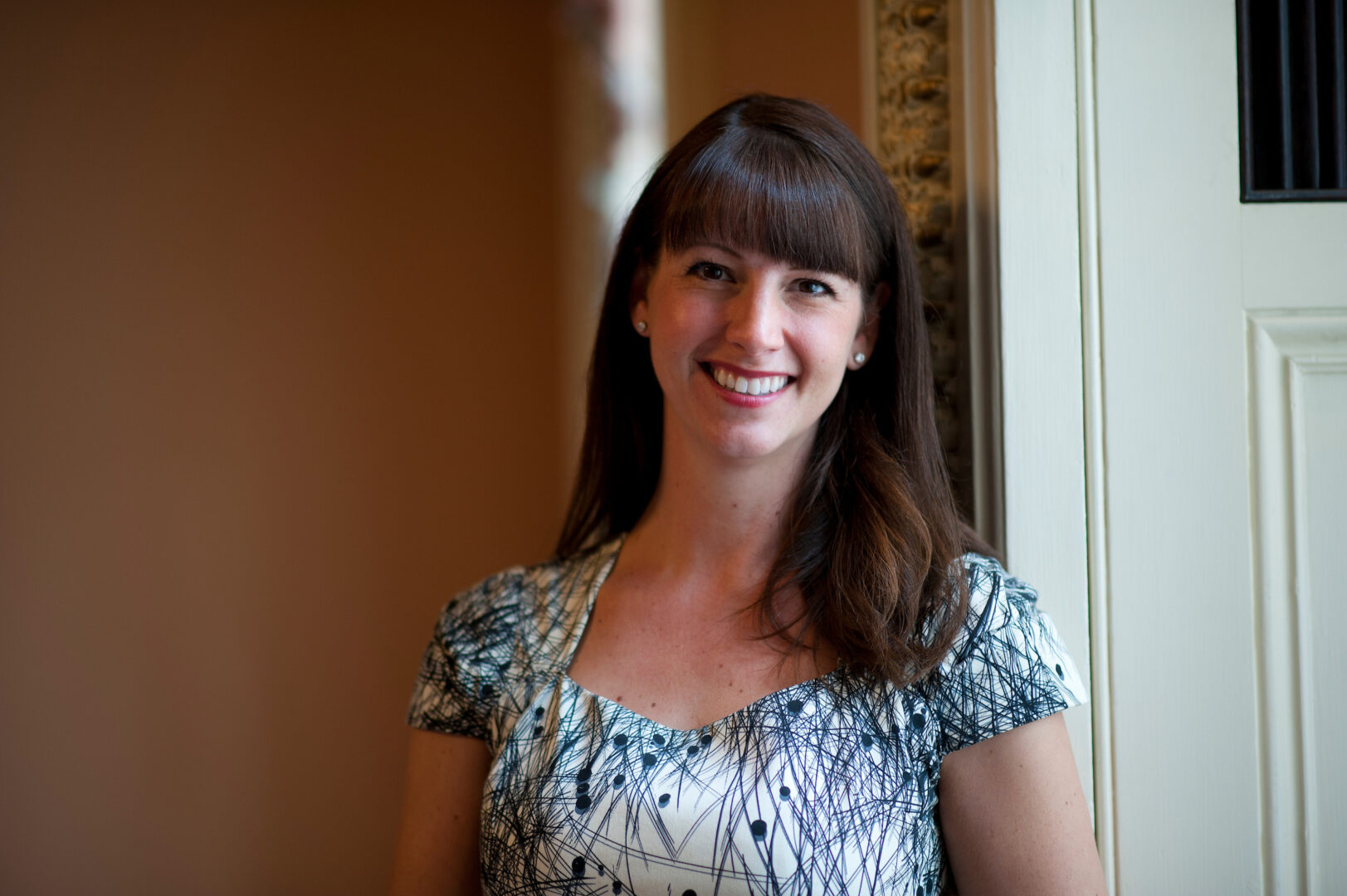
Laura Lytle, a former director of the Senate Daily Press Gallery, died Tuesday at age 51.
She was a fierce advocate for press access at the Capitol and brought a sense of humor to a job that could sometimes feel fraught, according to reporters who got to know her during her time on the Hill.
“She really always put the press corps first and just navigated the tensions of her job really beautifully,” said Emma Dumain, an editor at Politico who once served on the Standing Committee of Correspondents.
Lytle directed the gallery for more than a decade starting in 2013. She was only the second woman to hold that role and saw it through a rapidly changing era for the media, as local newspapers declined, niche outlets proliferated and press freedoms came under threat.
“There were plenty of times where Senate leadership wasn’t thinking about journalists first, and she was fighting for us,” said Paul Kane, a journalist at the Washington Sun.
It wasn’t always easy balancing being an employee of the Senate and the Sergeant at Arms while also helping reporters do their jobs. But Lytle had “a respect for a press-driven press gallery,” Dumain said.
Christian Yarnell, her husband, described her as someone who could connect with anyone.
“It was very funny and challenging to fly with Laura places because it’s just guaranteed that whoever she sat next to … she was going to end up talking to that person the entire flight,” he said.
Lytle had a rare form of lymphoma called EATL that is often linked to celiac disease. She had three children, and her birthday was coming up in a couple weeks, Yarnell said.
He remembers getting a call on Jan. 6, 2021, asking him to try to keep the kids away from the TV. “She didn’t want them to see what was happening and worry about her. Even when she was very much in harm’s way, Laura was thinking first and foremost of how to protect others,” he said.
That day on the Hill stands out for many who knew her.
“I truly believe that she saved our lives on January 6,” said Katherine Tully-McManus, a reporter at Politico and the current chair of the Executive Committee of Periodical Correspondents.
Tully-McManus, then a reporter at CQ Roll Call, recalled Lytle being in charge of locking down the gallery as rioters tried to breach the doors of the Senate chamber.
“She was deadly serious about the stakes, and she was not going to put anyone in her care in danger,” she said.
John Mulligan, who worked alongside Lytle as a staffer in the Senate Daily Press Gallery, said it was Lytle who made sure that reporters got evacuated alongside senators. “What about us?” she yelled to the Capitol Police.
“That was Laura. She was totally in command,” Mulligan said.
Her ability to find humor even in serious moments was core to who she was, according to Mulligan.
“She was a lot of fun to be with … even while she was getting a difficult job done, she never took herself seriously, and she never really took the Senate too seriously. It’s an important part of our democracy, but she had an eye for the absurdity of all of these situations that we’d find ourselves in,” Mulligan said.
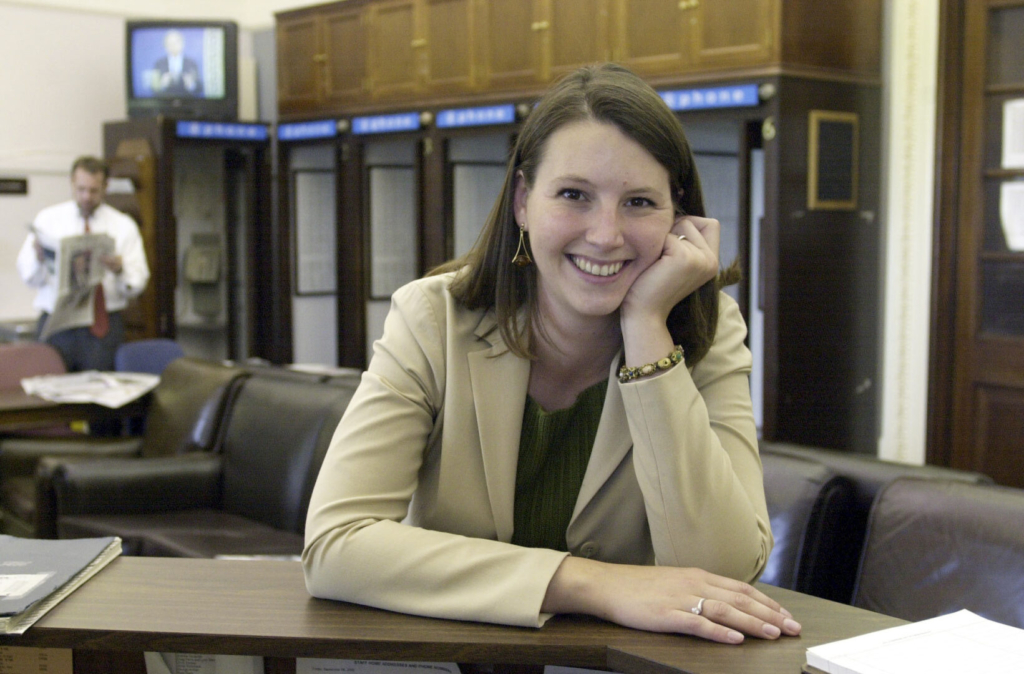
Lytle left the Hill in November 2023 and most recently worked in government relations and consulting. But Kane and others said she left a lasting mark on the Capitol.
“I kind of can’t remember the place without her,” said Kane, who has covered Congress for decades.
Lytle held multiple roles over the years, including serving as an assistant director of the House Periodical Press Gallery starting in 2003 and later rising in the ranks of the Senate daily gallery before landing the top spot.
Siobhan Hughes, a reporter at the Wall Street Journal, was chair of the Standing Committee of Correspondents around the same time Lytle became the gallery’s director.
“We were both young and basically had to learn the roles on the fly,” Hughes said in an email.
“She knew how to ferret out information that was invaluable to the press corps in such a low-key way that you didn’t realize the skill of it. I once gave her a ‘Sherlock Holmes’ ornament for Christmas in appreciation of the work,” Hughes said. “She told me she put it on her tree every year. She was extremely modest — it was about the only time that I ever got a hint that she knew how good she was.”
For Hughes and others who knew Lytle, that and her compassion made her one of a kind.
“Not only was she good at her job — she was kind. Those two things don’t often go together,” Hughes said.