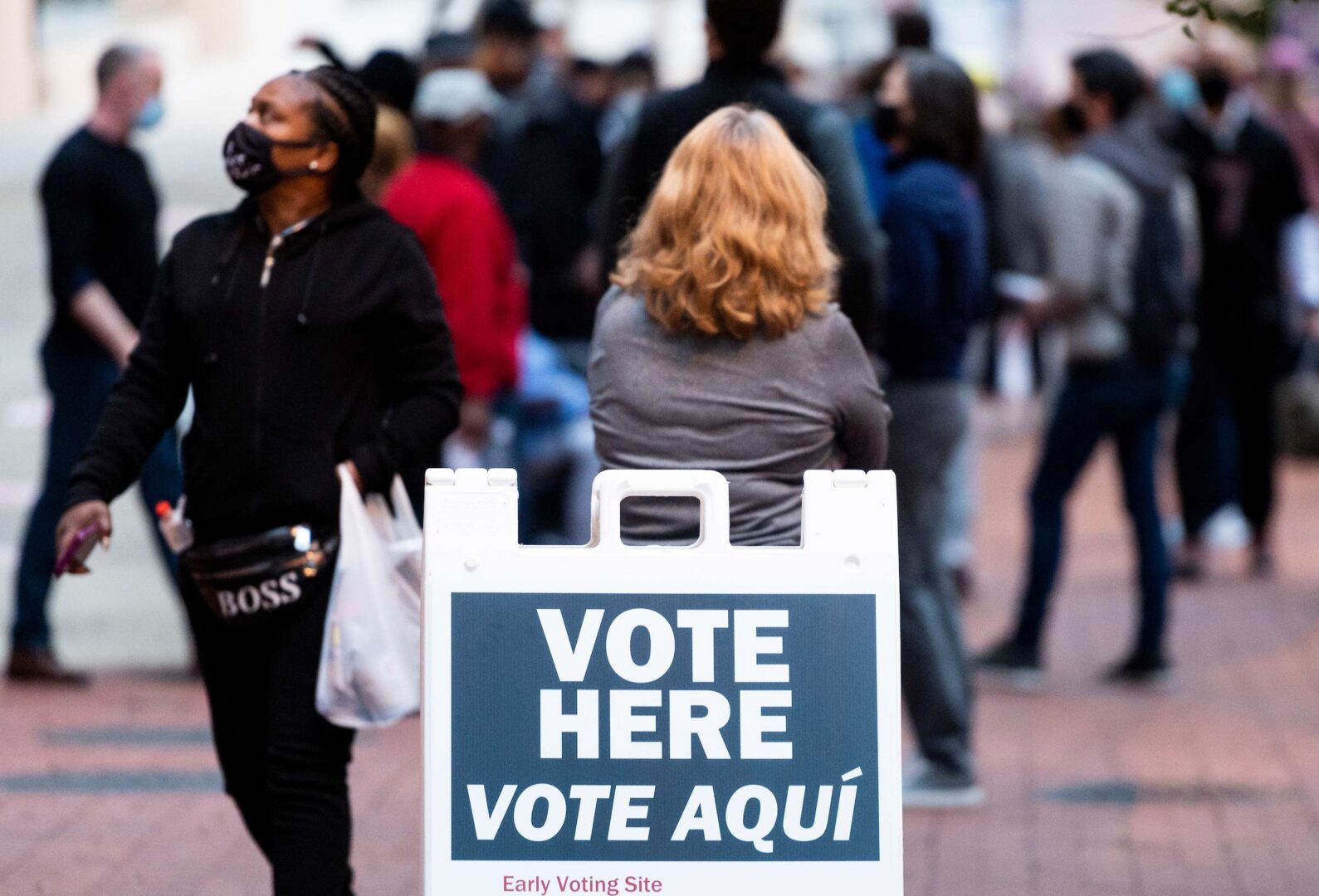
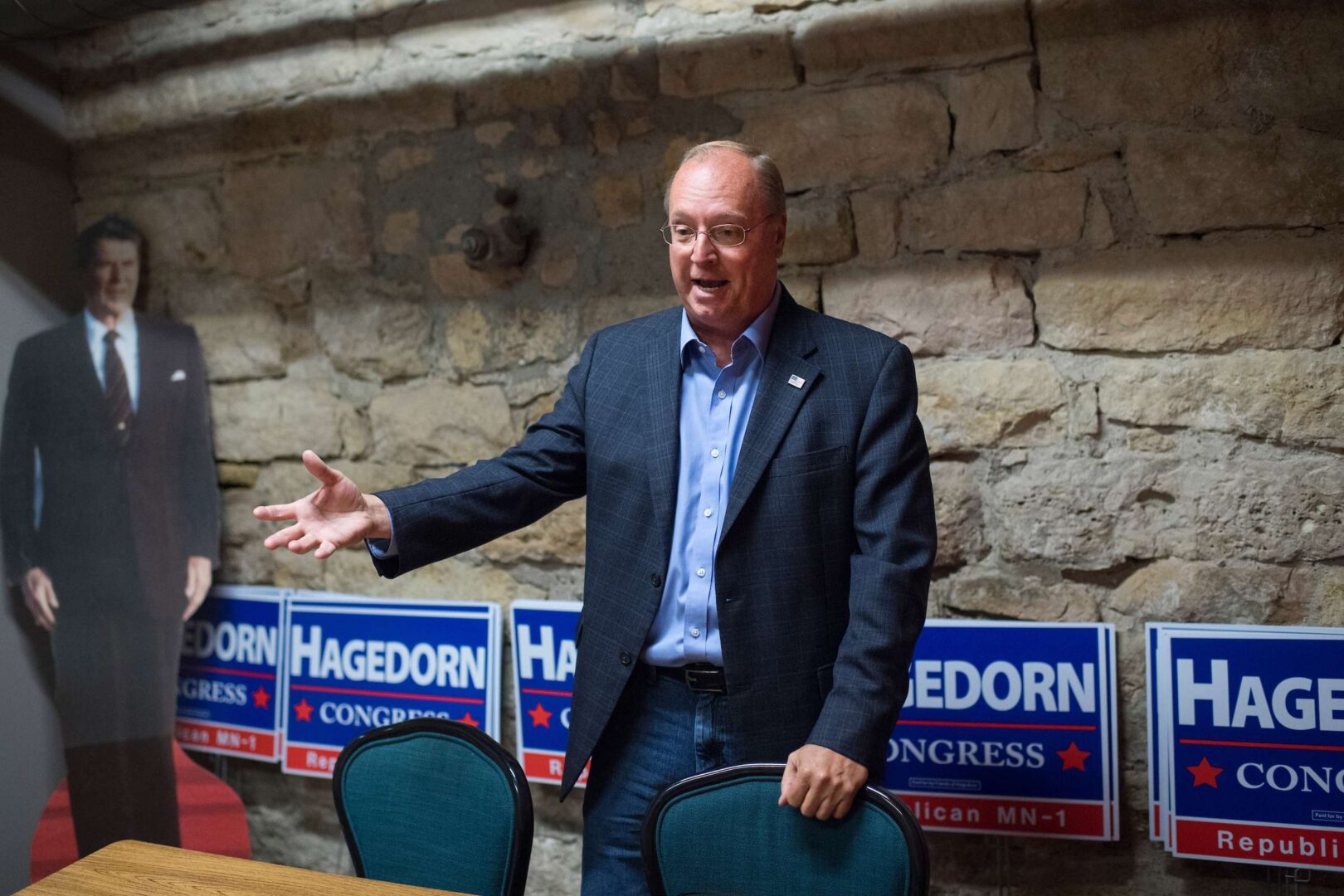
With less than a week before the last day to cast a ballot (which we used to call Election Day), the general trajectory of the 2020 elections remains the same. Democrats are poised to win the White House, gain control of the Senate and expand their majority in the House. Of course, it’s possible President Donald Trump defeats Joe Biden, Republicans maintain control of the Senate and even make modest gains in the House. That’s just not the most likely scenario. The through line in each of those contests is Republicans are on the defensive. Trump is defending states he won four years ago by narrow and wide margins. Republicans are defending virtually all of the competitive states on the Senate battlefield. And Republicans are defending more vulnerable House seats even though Democrats hold more seats overall. The preponderance of data from the national, state and House district level point to Democrats doing well. The historic early voting numbers are a potential wild card as party strategists on both sides of the aisle aren’t quite sure what the ultimate fallout will be from turnout at previously unimaginable levels. While a broad range of outcomes is possible, our preelection projection ranges are for Democratic net gains of four to six seats in the Senate and 14 to 20 seats in the House. Here are the most recent rating changes for specific contests: Presidential race Georgia: from Toss-up to Tilt DemocraticNorth Carolina: from Toss-up to Tilt DemocraticTexas: from Tilt Republican to Toss-up Senate races Alaska (Dan Sullivan, R): from Likely Republican to Lean RepublicanGeorgia (David Perdue, R): from Tilt Republican to Toss-upGeorgia (Kelly Loeffler, R): from Lean Republican to Tilt Republican House races Arkansas’ 2nd (French Hill, R): from Tilt Republican to Toss-upColorado’s 3rd (Open; Scott Tipton, R): from Lean Republican to Tilt RepublicanGeorgia’s 6th (Lucy McBath, D): from Lean Democratic to Likely DemocraticIndiana’s 5th (Open; Susan W. Brooks, R): from Toss-up to Tilt DemocraticIowa’s 1st (Abby Finkenauer, D): from Tilt Democratic to Lean DemocraticIowa’s 2nd (Open; Dave Loebsack, D): from Tilt Democratic to Lean DemocraticMinnesota’s 1st (Jim Hagedorn, R): from Toss-up to Tilt DemocraticMissouri’s 2nd (Ann Wagner, R): from Toss-up to Tilt DemocraticNebraska’s 2nd (Don Bacon, R): from Toss-up to Tilt DemocraticNew Jersey’s 2nd (Jeff Van Drew, R): from Toss-up to Tilt DemocraticNew Jersey’s 3rd (Andy Kim, D): from Likely Democratic to Solid Democratic (off the board)New Jersey’s 7th (Tom Malinowski, D): from Lean Democratic to Likely DemocraticNorth Carolina’s 8th (Richard Hudson, R): from Lean Republican to Tilt RepublicanNorth Carolina’s 11th (Vacant; Mark Meadows, R): from Likely Republican to Lean RepublicanOhio’s 1st (Steve Chabot, R): from Toss-up to Tilt DemocraticPennsylvania’s 17th (Conor Lamb, D): from Likely Democratic to Solid Democratic (off the board)Texas’ 2nd (Daniel Crenshaw, R): from Likely Republican to Solid Republican (off the board)Texas’ 3rd (Van Taylor, R): from Likely Republican to Lean RepublicanTexas’ 10th (Michael McCaul, R): from Likely Republican to Lean RepublicanTexas’ 24th (Open; Kenny Marchant, R): from Toss-up to Tilt DemocraticVirginia’s 2nd (Elaine Luria, D): from Lean Democratic to Likely DemocraticVirginia's 5th (Open; Denver Riggleman, R): from Tilt Republican to Toss-upWashington’s 3rd (Jaime Herrera Beutler, R): from Likely Republican to Lean RepublicanWisconsin’s 3rd (Ron Kind, D): from Likely Democratic to Solid Democratic (off the board) [jwp-video n="1"] Nathan L. Gonzales is an elections analyst with CQ Roll Call.