Trump’s missed opportunity: BLS wage growth numbers
When it comes to government data, statistical credibility matters

“Facts are stubborn things” is a quote often attributed to Mark Twain. What you may not have heard is the rest of his 19th-century version of stand-up. He supposedly went on to say, “But statistics are pliable.” As one who spends more time analyzing numbers than is probably good for me, I have to smile and respectfully disagree.
Pliable or not, there’s no doubt it’s been quite a week for the usually dry subject of stats.
The release last Friday of the July employment numbers set in motion a cascade of political events, controversy and overreaction. In reality, a deeper dive into the numbers finds a mixed bag of data, with both good and bad news for the president and his economic advisers.
First, the unemployment rate stayed basically the same, going from 4.1 percent in June to 4.2 percent in July. But there’s no denying that the 73,000 jobs added in July came in well under expectations.
Worse for the White House, the preliminary jobs numbers for May were revised downward from 144,000 to 19,000. The June numbers went from 147,000 jobs created to 14,000. Overall, the revisions for both months amounted to -258,000 jobs. This opens up the possibility that this negative take on employment may spur Fed Chair Jerome Powell to lower interest rates.
The July jobs report was met with more than a little skepticism in the White House.
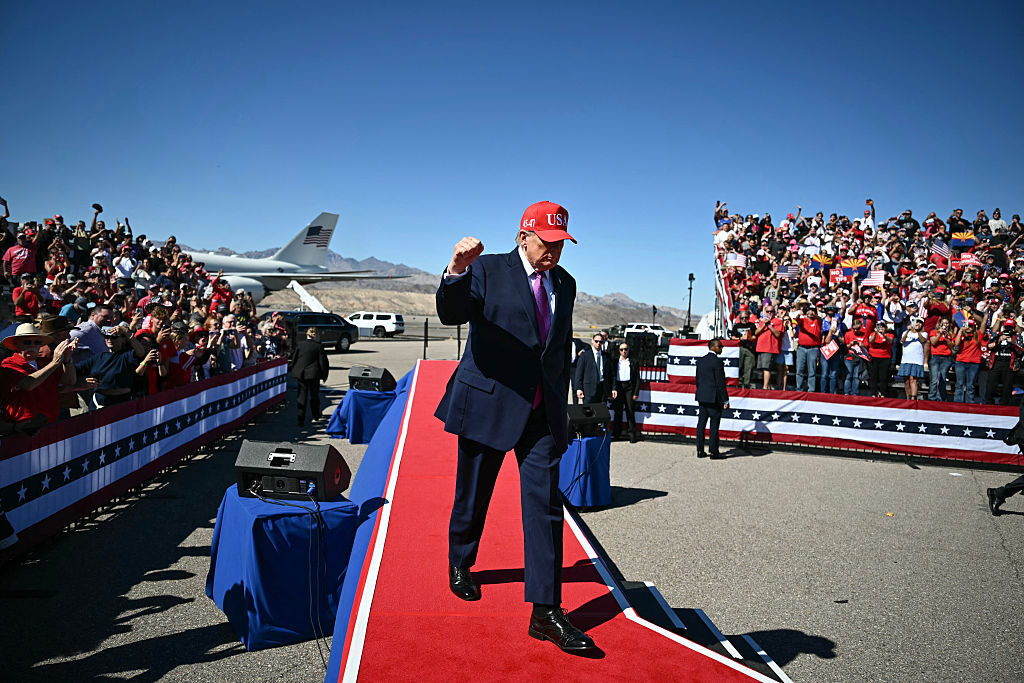
Trump overreacted and summarily fired Bureau of Labor Statistics head Erika McEntarfer, a Joe Biden appointee, saying the survey was “rigged” and designed to make him “look bad.” It’s true that the latest jobs data puts his economic policies in a more negative light and provides an opening, at least for the moment, for Democrats to pound this issue. But shooting the messenger, so to speak, was a bad idea.
President Donald Trump’s own former BLS chief, Bill Beach, appointed in his first term, called the firing “totally groundless” and told CNN, “The commissioner doesn’t see the numbers until Wednesday before they’re published. By the time the commissioner sees the numbers, they’re all prepared.”
I don’t know Erika McEntarfer, but I do know Bill Beach. I worked with Bill at the Heritage Foundation doing economic statistical analysis and modeling to support the think tank’s policy initiatives. He’s a person of integrity and talent, and his opinion should matter to the White House.
Kevin Hassett, director of Trump’s National Economic Council, drew the short straw and headed to the Sunday shows amid the controversy, telling NBC’s Meet the Press that “the revisions are hard evidence” of a problem with data and that there “have been a bunch of patterns that could make people wonder.” However, he didn’t show how the BLS methodology was in error, nor did he offer any examples of how McEntarfer supposedly rigged the data.
The size of the BLS job revisions over the past couple of years have been substantial and have raised some eyebrows. While BLS constantly reviews its own methodology to improve the quality of the data, the bureau has had challenges stemming from a slow decrease in the response rate from the businesses it surveys. Obviously, the issue of business participation will need more study. The overall objective is to ensure the continued credibility of the bureau and its data, which is so crucial to sound economic planning.
Unfortunately, what got lost in all the controversy over the firing was the positive wage data in the report. The good news for the president is that weekly wages improved.
Weekly wages last month went up year-over-year by 4.2 percent, the best performance since Trump took office. This was a major improvement over the June number, which came in at 3.5 percent. A 0.7 percent gain may not seem significant to those who don’t follow labor statistics 24/7, but this data represents a positive indicator in terms of overcoming inflation.
Overall, weekly wages have increased 2.3 percent since January. Wage gains are an important indicator of the health of the economy that frequently get overlooked in the coverage of the jobs reports. They are, along with economic growth, the tools that will defeat inflation. Inflation rates will rarely be negative, so it is the scale at which wage growth can outpace inflation that is the key for families to manage the cost of living.
So it was disappointing that weekly wage growth seemed to plateau at 1.7 percent in May and June, allowing inflation to close in on those gains, as prices rose 1.5 percent from January to June. While the weekly wage increase in the July report certainly looks positive, the July Consumer Price Index report, coming next week, will give it better context.
The June CPI was at 2.7 percent, up from 2.3 percent in April. This 0.4 percent increase from April to June mirrors what the Personal Consumer Expenditures index showed as well. Critics argue that because of Trump’s tariffs, costs are going up for U.S. companies and prices will edge upward as businesses pass on those costs to the consumer. We’ve seen mixed signals coming from the corporate community in terms of pricing.
On the other side, tariff proponents maintain that the billions in U.S. investments that Trump has gained through tariff negotiations with a number of countries will generate economic growth and jobs here at home and push wages up.
In the coming months, BLS and other government analyses will tell us how the battle between inflation and wages is going. Understanding the BLS methodology is a fair request for any White House. But if the inflation number is good next week, bolstering the administration’s policies, then undercutting BLS’ credibility may prove to have been a tactical error.
When it comes to government data, statistical credibility matters. Whatever happens going forward, every White House must ensure the continued integrity and reliability of its data as the standard to achieve. With all due respect to Mr. Twain, statistics should never be pliable.
David Winston is the president of The Winston Group and a longtime adviser to congressional Republicans. He previously served as the director of planning for Speaker Newt Gingrich. He advises Fortune 100 companies, foundations and nonprofit organizations on strategic planning and public policy issues, as well as serving as an election analyst for CBS News.