Reconciliation bill text would fund ICE, CBP, ballroom security
Total price tag would be about $71.7 billion for filibuster-proof bill
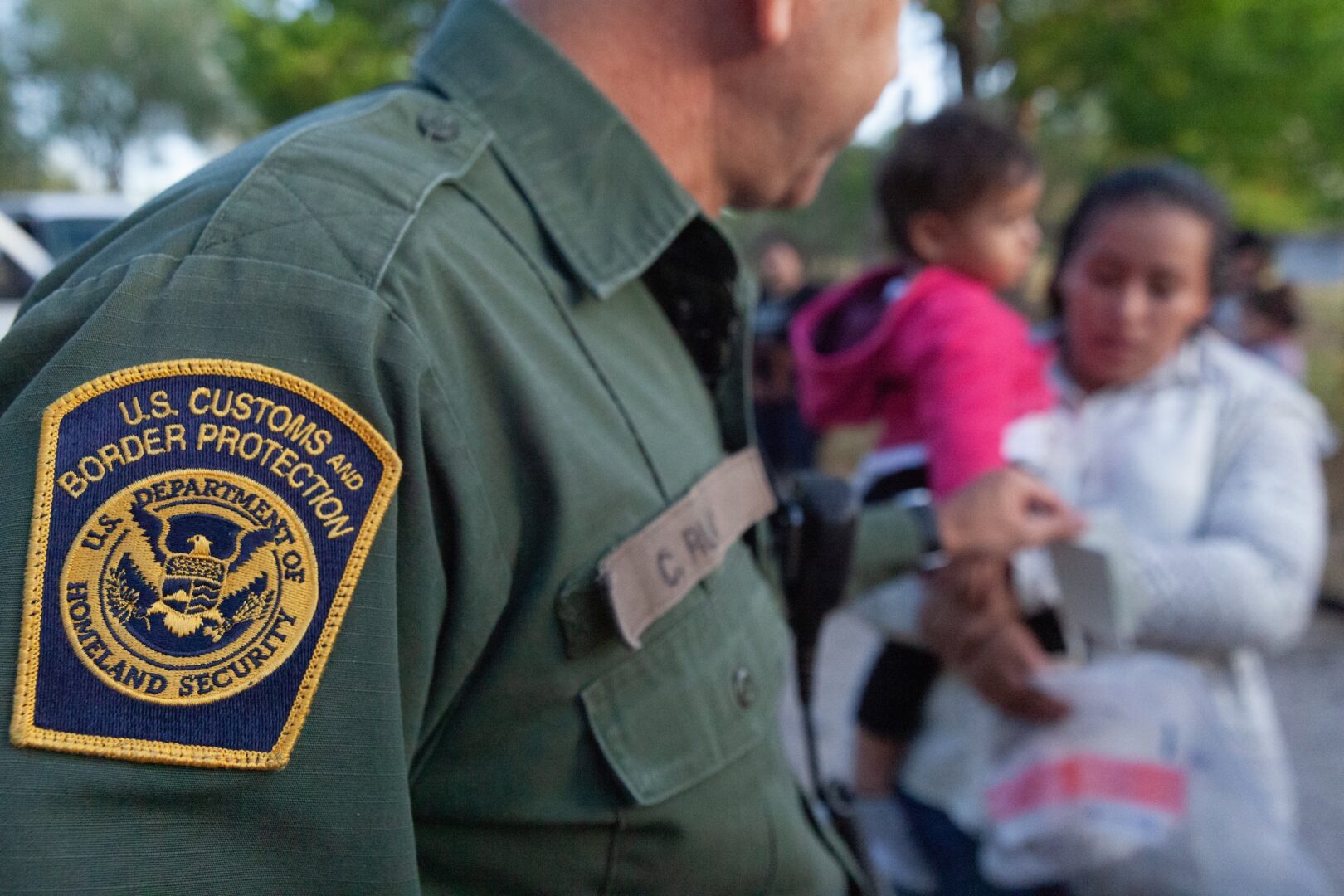
Two Republican-led Senate committees late Monday released legislative text to flesh out a roughly $70 billion reconciliation package to fund immigration enforcement agencies at the Department of Homeland Security through the remainder of President Donald Trump’s term.
The Senate Judiciary Committee text shows that panel’s piece of the package would amount to nearly $39.2 billion, which includes nearly $2.5 billion for the Justice Department and Secret Service on top of DHS funding. A separate title from the Homeland Security and Governmental Affairs Committee would provide $32.5 billion, bringing the total to $71.7 billion in new spending.
Under the combined package, Immigration and Customs Enforcement would receive about $38.2 billion. The Judiciary title would provide over $30.7 billion of that figure, to be used for hiring and training, transportation, information technology, agreements with local police departments under the so-called 287(g) program and more.
An additional $7.45 billion in the Homeland Security Committee’s jurisdiction would go towards ICE’s Homeland Security Investigations unit. The group conducts criminal investigations into drug and weapons smuggling, human trafficking, cybercrime and potential terrorist activities.
Customs and Border Protection would get a little more than $26 billion, including nearly $22.6 billion for Border Patrol and other agency personnel, air and marine agents and field support. There’s an additional $3.45 billion for border security technology and screening efforts, including “non-intrusive equipment” that employs artificial intelligence to combat narcotics trafficking and screen individuals entering or leaving the U.S.
The text stipulates that any AI systems used for surveillance along U.S. borders must be approved by CBP “to accurately detect, identify, classify, and track items of interest in real time such that the system can make operational adjustments without the active engagement of personnel or continuous human command or control.”
The office of Homeland Security Secretary Markwayne Mullin would get a separate, flexible $5 billion in the combined measure, to be used for any purpose consistent with other parts of the bill or the immigration-related parts of last year’s “big, beautiful” reconciliation package.
‘Security adjustments’
Nearly $1.5 billion would go to the Justice Department for terrorism prosecution, the Drug Enforcement Administration, the Marshals Service, U.S. attorneys offices and the FBI, while the Secret Service would get $1 billion for security upgrades related to the new White House ballroom project.
The Secret Service funding would be for the “purposes of security adjustments and upgrades” to the ballroom project, including “above-ground and below-ground security features.” The project has taken on more relevance since the alleged attempted murder of Trump and other top administration officials at last month’s White House Correspondents’ Dinner.
To guard against footing the bill for the roughly $400 million estimated cost to build the ballroom itself on the old East Wing grounds, the Judiciary Committee’s text includes a limitation that would bar any of the $1 billion from being used for “non-security elements of the East Wing Modernization Project.”
None of the funds would expire until Sept. 30, 2029, or well into the first year of the next president’s term.
“The Senate Judiciary Committee is taking action to help provide certainty for federal law enforcement and safer streets for American families,” Judiciary Chairman Charles E. Grassley, R-Iowa, said in a statement. “We will work to ensure this critical funding gets signed into law without unnecessary delay.”
Before leaving town last week, both chambers adopted a fiscal 2026 budget resolution that calls for spending around $70 billion on immigration enforcement efforts, after that money was left out of the final Homeland Security spending law. Republicans agreed to cut those funds from the appropriations bill after they could not reach a deal with Democrats on overhauling agency practices after two fatal shootings of U.S. citizens.
Budget Chairman Lindsey Graham, R-S.C., has said his language was constructed to give both committees maximum flexibility in spending proposals while avoiding any conflicts over committee jurisdiction, providing each with up to $70 billion to spend. But he said the goal was to produce a package with about $70 billion in net new spending.
The text does not call for any offsetting spending cuts.
Paul plays ball
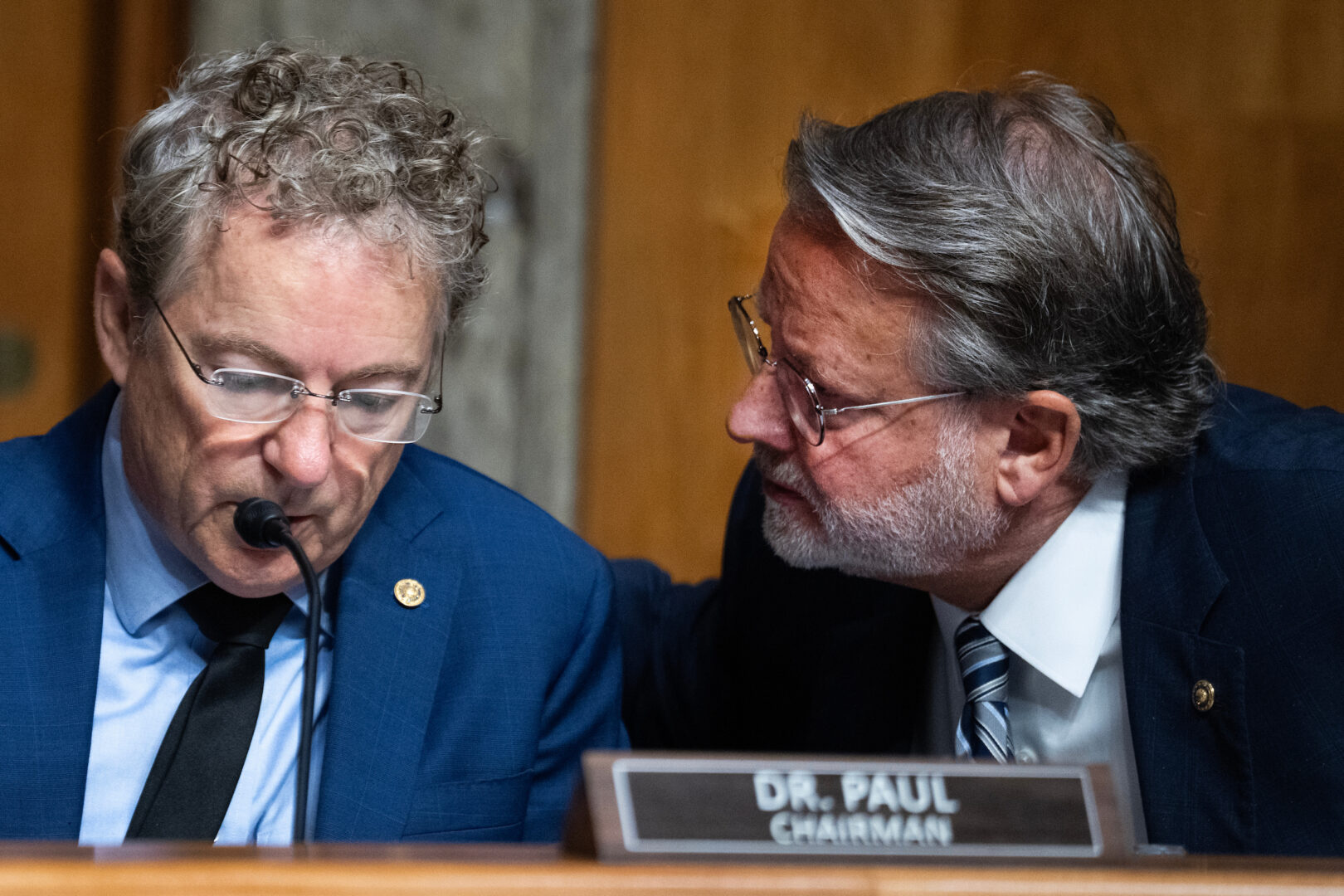
Senate Homeland Security Chairman Rand Paul, R-Ky., has been a skeptic of big funding boosts for the immigration agencies, including in last year’s reconciliation package. And he was one of just two Senate Republicans — along with Alaska’s Lisa Murkowski — to vote against the new budget resolution last month.
But rather than see Graham write the text under the Homeland Security Committee’s jurisdiction like he did last year, Paul decided to play ball this time around. He said he was planning a markup for his title of the package when lawmakers return to Washington this month.
“Senate Democrats refuse to vote for a single dollar to secure our borders or enforce our immigration laws, even against the most violent illegal aliens,” Paul said in a statement. “To make sure those vital functions are funded, my committee will vote later this month to give the funding needed.”
Senate Majority Leader John Thune, R-S.D., said last week that he expected to see a committee markup next week, once the Senate reconvenes from a weeklong recess. He said the full Senate should take up the package within the next two weeks.
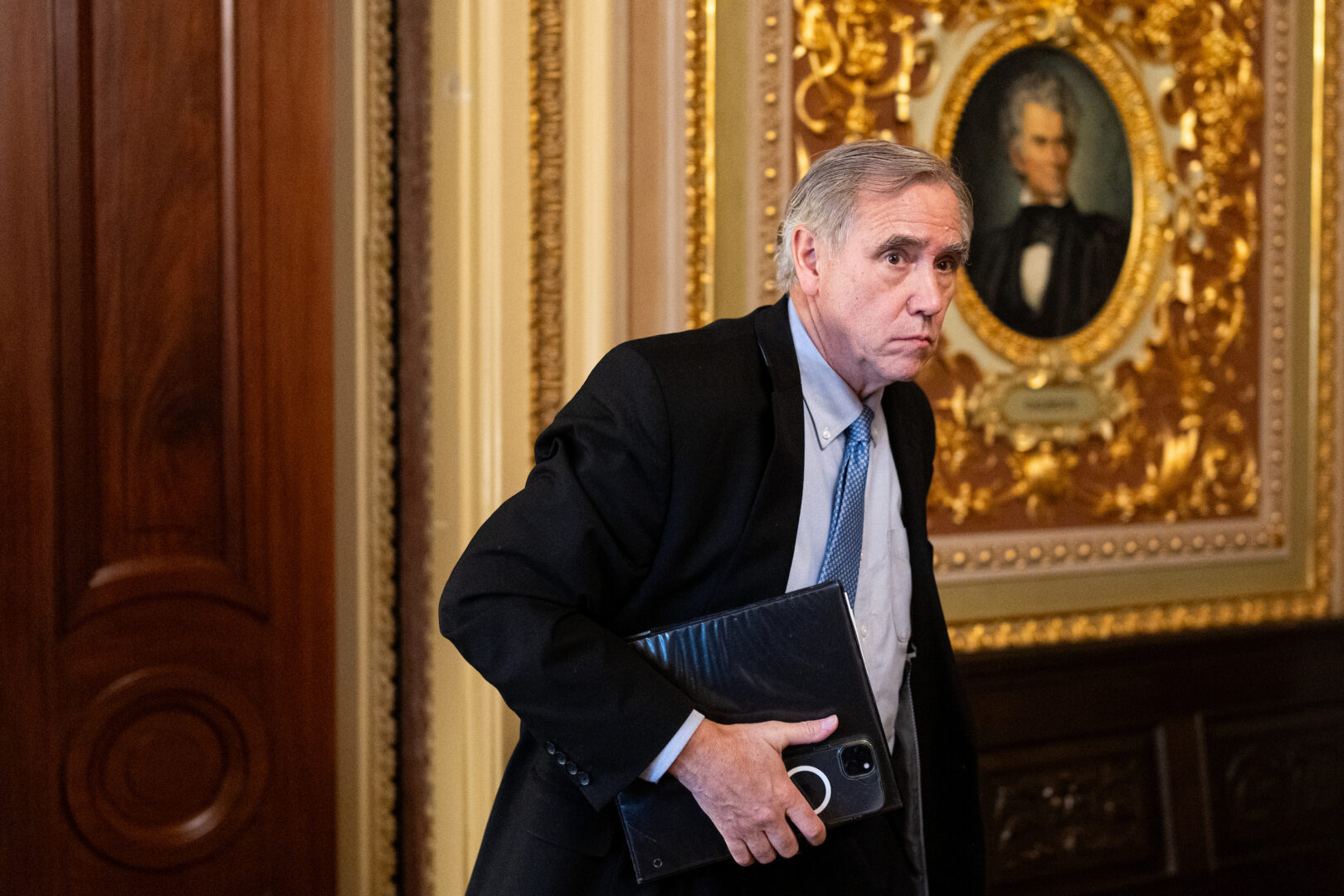
Senate Budget ranking member Jeff Merkley, D-Ore., said the GOP text was an example of misguided priorities.
“Republicans are ignoring the needs of middle-class America and instead funneling money into Trump’s ballroom and throwing billions at two lawless agencies,” Merkley said in a statement.
Peter Cohn and Niels Lesniewski contributed to this report.