Must-see summit: Global audience awaits Trump-Xi meeting
More than trade and tariffs will be at stake in Asia

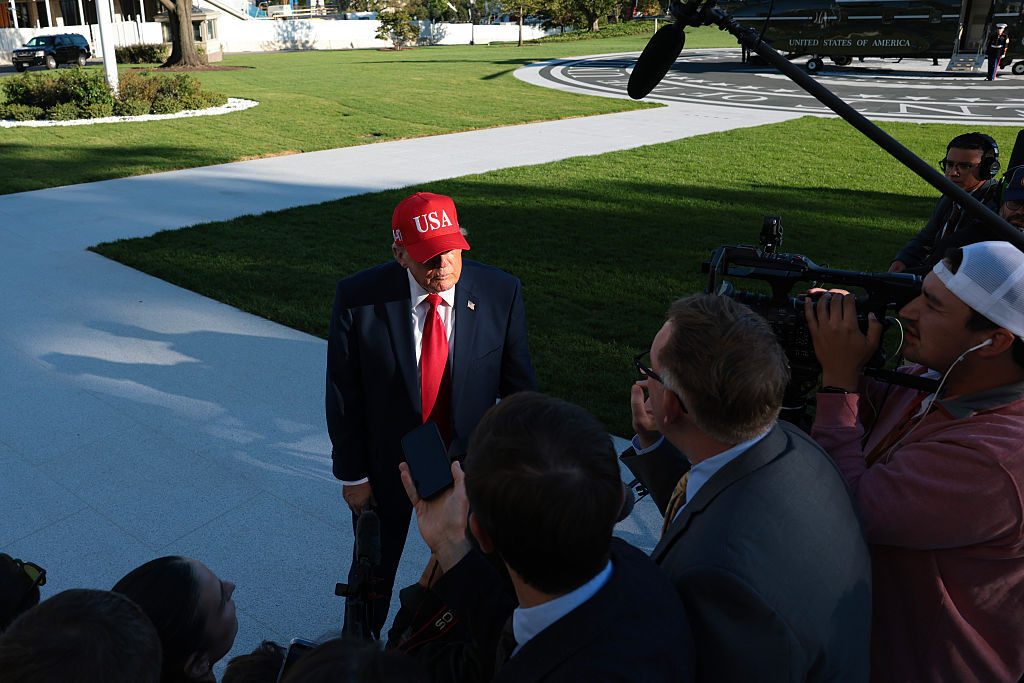
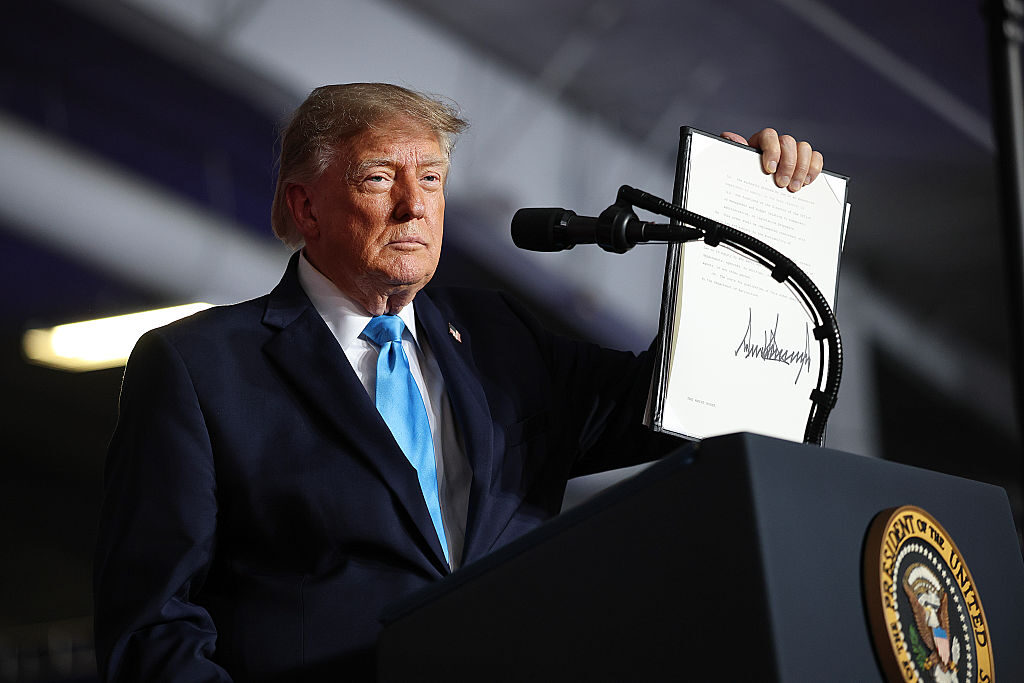
President Donald Trump is set to meet Chinese President Xi Jinping in South Korea at the end of the month. Whether this summit will de-escalate bilateral tensions or exacerbate them depends on who shows up. Will it be Tariff Man Trump or TACO Man Trump? Will Xi be defiant or ready to make a deal?
What we do know is that both leaders will play out their respective roles before a global audience that is choosing up sides in the ongoing Sino-American confrontational drama. And international public opinion, a measure of national soft power that was once the preserve of the United States, is now in flux. In the last year, views of the U.S. have become more negative while views of China have turned more positive.
So, at stake in the Trump-Xi summit is not just economic well-being and security but also whom the world looks to for leadership in the years ahead.
Heading into the meeting, Trump enjoys a tailwind of support back home in support of his being tough on China. According to a Pew Research Center survey from earlier this year, 3 in 4 Americans have a negative view of China, an even more critical public sentiment than after Beijing’s Tiananmen Square massacre in 1989.
But the intensity of such views has softened a bit in the past year, especially among Republicans. In 2024, 59 percent of Republicans had a very unfavorable opinion of China. In 2025, such strong antipathy had eased to 43 percent. Very unfavorable views of China among Democrats have also declined, but only from 30 percent to 24 percent. So Trump has to be careful not to get too far ahead of American anti-China sentiment.
Counterbalancing that, Americans voice a negative assessment of Xi; 3 in 4 lack confidence in him, with even more negative views held by older Americans and conservative Republicans, key members of Trump’s core constituency.
Current Chinese attitudes toward the United States are difficult to assess because of Beijing’s constraints on foreign pollsters. But a recent Chicago Council on Global Affairs/Carter Center survey found that 83 percent of the Chinese public doesn’t see the United States as a friend, potentially reinforcing Xi.
Trade will be at the center of the summit. And with punches and counterpunches looming in the U.S.-China trade standoff, Americans are divided about commerce with China and the Trump administration’s tariff actions to date.
By more than 4 to 1 (43-10 percent), Americans think China benefits more from bilateral trade, according to Pew. But that may be a reflection of the fact that 8 in 10 Americans overestimate how much the U.S. imports from China.
Most public opinion surveys show that only about 4 in 10 Americans specifically support Trump’s tariffs, with Republicans backing the duties and Democrats overwhelmingly opposing them.
Significant for this summit, Americans’ support for tariffs is strongest when a survey questionnaire specifically mentions China as the target, a reminder that it is anti-China sentiment, not necessarily trade wariness, that animates most Americans.
But the U.S. and Chinese publics aren’t the only audiences for the Trump-Xi meeting. The world will be watching because of the summit’s geostrategic implications for those who aren’t in the room.
In a separate Pew survey of 24 nations over the summer, eight of them see the United States as their greatest threat, while only three put China in that category. But among countries in Asia, Africa and Latin America, half or more of the publics judge both China and the U.S. as serious economic and military problems for their countries.
More broadly, global publics are divided over how they feel about the two superpowers. The July Pew survey found international publics split: People in eight nations have a more favorable opinion of the United States, in seven they hold a more positive view of China and in nine they see both nations roughly equally.
Trump fares a bit better: 11 publics have more confidence in him in general, while just six have more confidence in Xi. But of significance to the upcoming summit, people are judgmental of Trump’s handling of China: 6 in 10 of those questioned criticize his management of U.S.-China relations.
The outcome of the Trump-Xi summit will depend on the two men’s egos, their agendas, their sense of their nation’s self-interest, which leader needs a quick win and who is willing to play the long game. But national and global public opinion will be ignored at both leaders’ peril. The whole world will be watching, judging and deciding whether to place their bets on and future allegiance with Beijing or Washington.
Bruce Stokes is a visiting senior fellow at the German Marshall Fund.