Trump announces rollback of fuel economy standards
Proposal would apply to cars and light trucks from model years 2022 to 2031

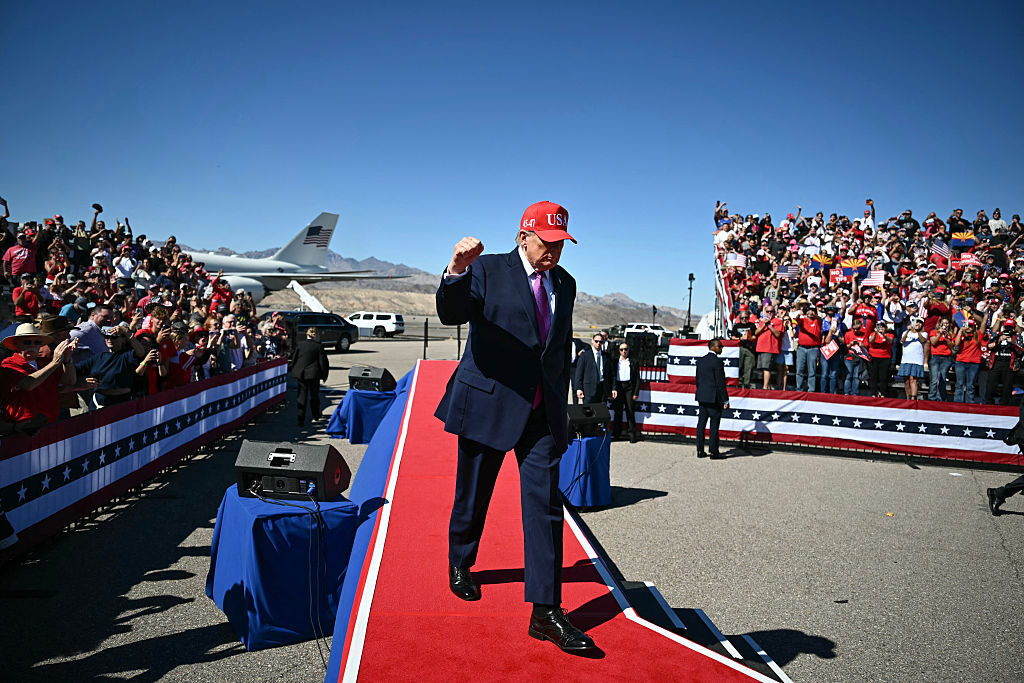
President Donald Trump on Wednesday announced a rollback of fuel economy standards finalized under the Biden administration, a move he and congressional Republicans said would make the average car more affordable.
Trump announced that the National Highway Traffic Safety Administration was proposing to reduce the fuel economy requirements for cars and light trucks from model years 2022 to 2031.
The Corporate Average Fuel Economy standards require automakers to meet an annual average fuel efficiency for all the cars and light trucks they sell each model year.
The Biden administration finalized standards in June 2024 that required automakers’ fleets to achieve an average of 50.4 miles per gallon by model year 2031, an increase from 39.1 miles per gallon. Opponents criticized this as a mandate for electric vehicles.
“We’re officially terminating Joe Biden’s ridiculously burdensome — horrible, actually — CAFE standard that imposed expensive restrictions and all sorts of problems,” Trump said. “It put tremendous upward pressure on car prices.”
Ford Motor Co. CEO Jim Farley and Stellantis CEO Antonio Filosa were on hand for the announcement, as well as National Automobile Dealers Association Chairman Tom Castriota.
In January the Trump administration announced that it would revisit the Biden administration’s rulemaking, which congressional Republicans and most automakers argued was too restrictive on the industry and would limit consumer choice.
In June, the administration released an interpretive rule prohibiting NHTSA from considering alternative fuel vehicles and associated credits when setting the standards. This would effectively decouple NHTSA’s CAFE standards from EPA tailpipe emission standards, removing requirements that the agencies collaborate, a move automakers supported.
The Republican reconciliation law signed in July included a provision that effectively eliminated civil penalties for noncompliance with the CAFE standards, setting the maximum penalty to $0.
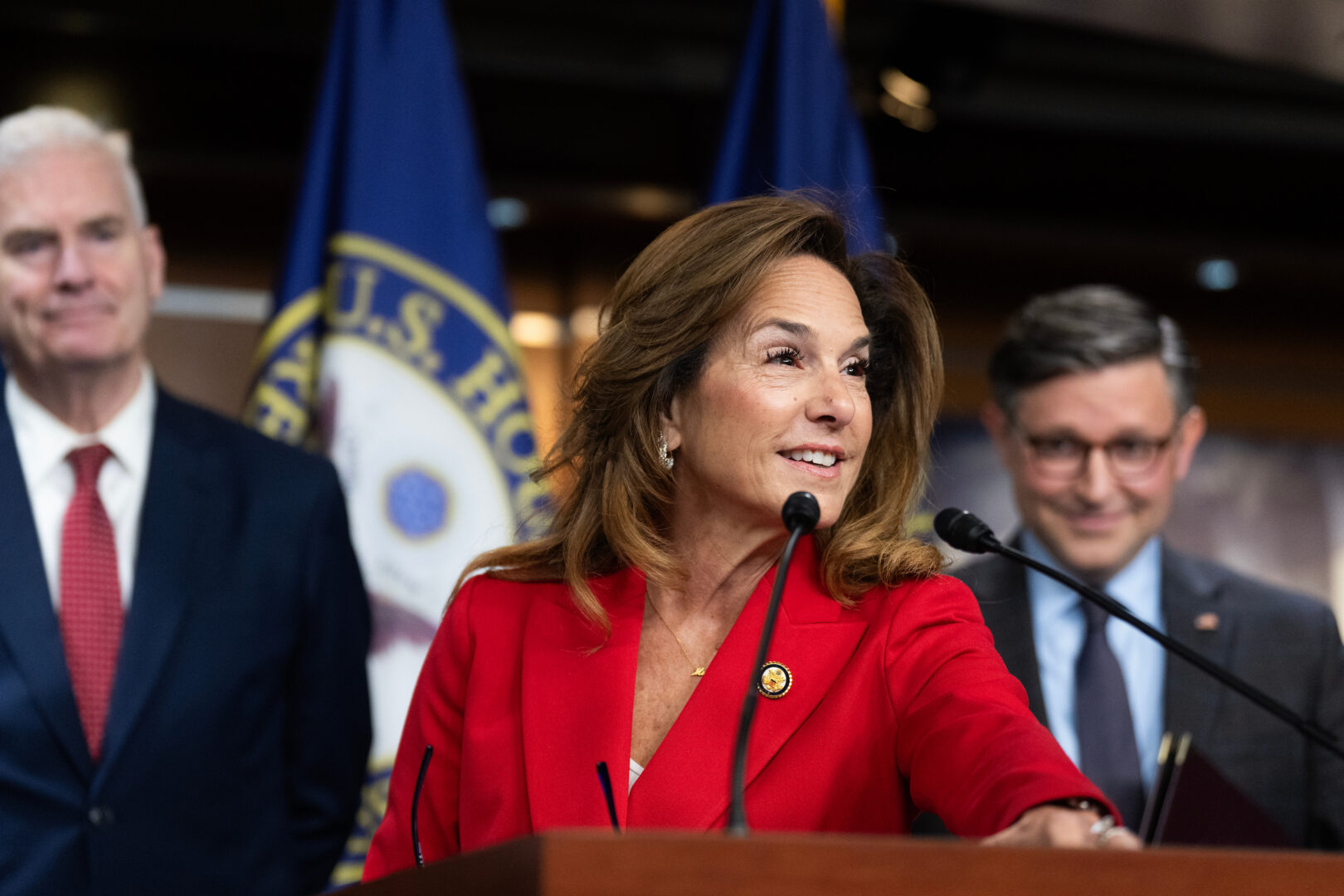
The move was supported by members of Congress including Senate Environment and Public Works Chair Shelley Moore Capito, R-W.Va.; Senate Commerce, Science and Transportation Chair Ted Cruz, R-Texas; and House Transportation and Infrastructure Chair Sam Graves, R-Mo.
“This is about affordability here,” said Capito.
Rep. Vern Buchanan, R-Fla., and Sen. Bernie Moreno, R-Ohio, both car dealership owners prior to entering politics, argued that the Biden administration’s standards forced automakers to focus on vehicles that consumers did not want.
The Trump administration has taken other actions to curtail the adoption of EVs, including signing a Congressional Review Act joint resolution that rescinds an EPA waiver allowing California to enforce its own vehicle emission standards, which could then be adopted by other states. Democratic California Gov. Gavin Newsom said the state will challenge this action.
Environmental groups said the weakening of CAFE standards would ultimately cost consumers in the long run and make automakers less competitive internationally, where EVs are in greater demand.
“Weakening fuel economy standards won’t do much to make cars more affordable but is certain to make Americans buy a lot more gasoline,” Albert Gore, executive director of the Zero Emission Transportation Association, said in a statement. “That means higher fuel expenses in the years ahead without the guarantee of lower upfront costs.”