Senators banned themselves from prediction markets. Will the House?
Momentum is growing to change House rules after action in the other chamber
Support is growing for a rules change in the House that would bar members of Congress and their staff from trading on prediction markets.
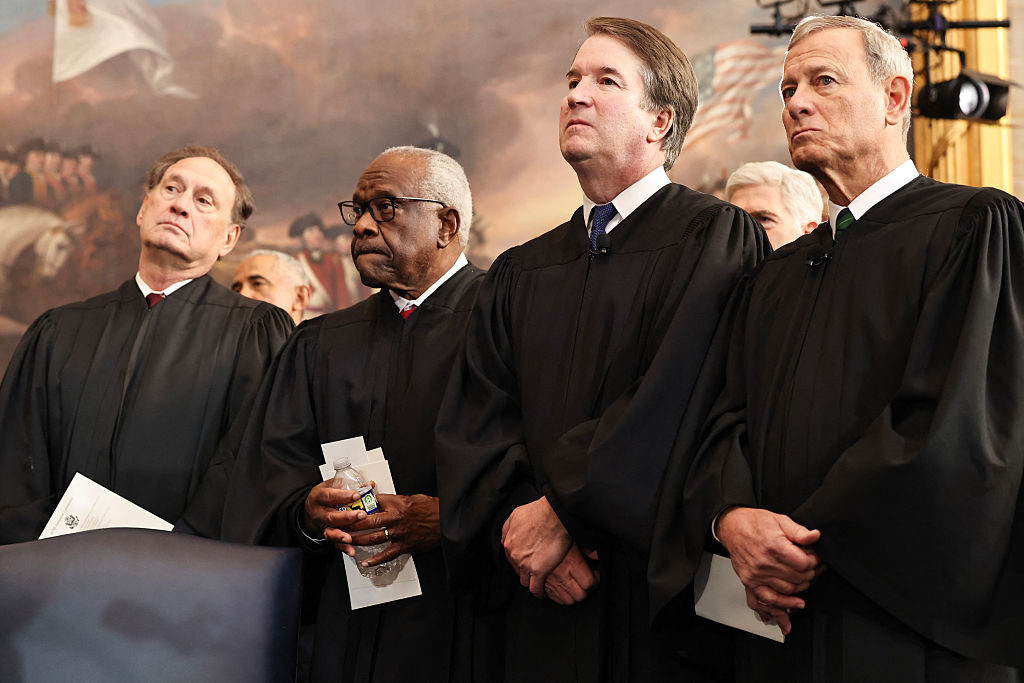
Senators adopted their own resolution at the end of last month by unanimous consent, revising the standing rules of the Senate to ban buying and selling contracts tied to the outcomes of specific events.
Now, lawmakers in the House are looking to do the same on their side of the Capitol.
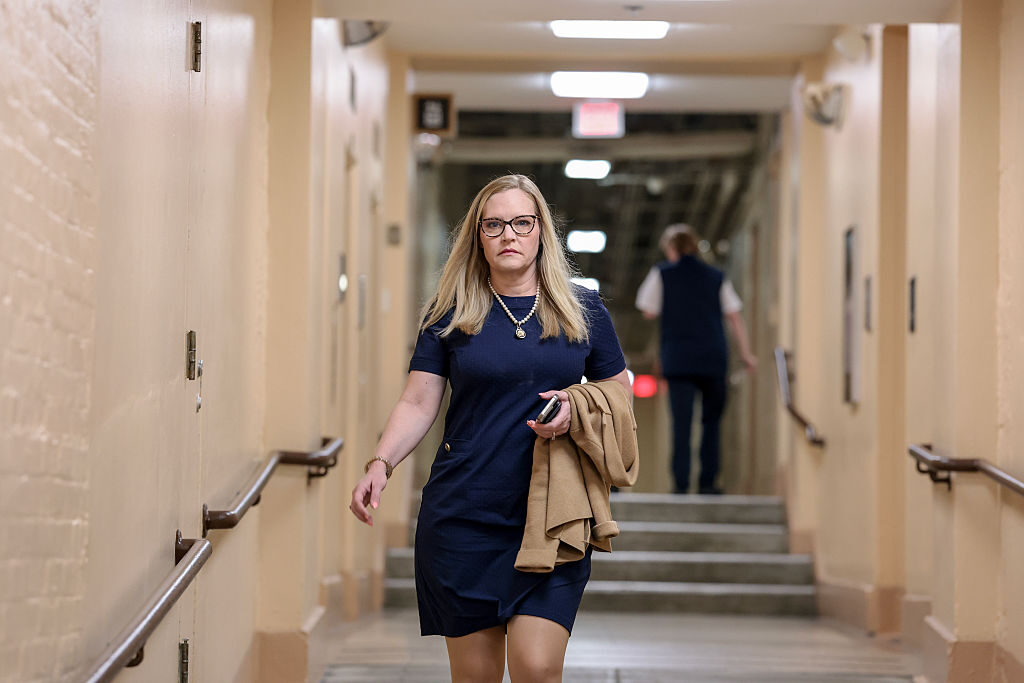
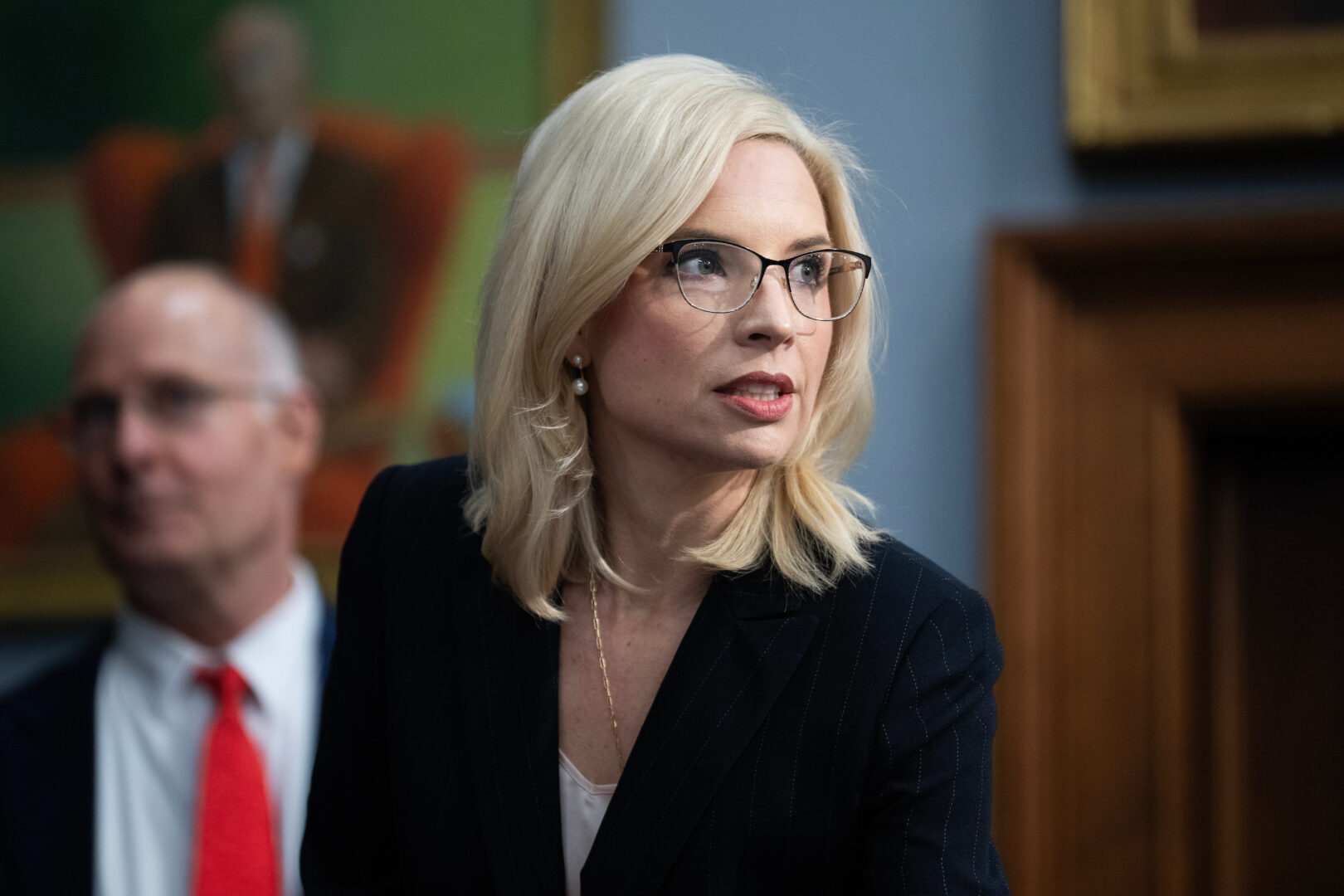
“I think this is something we should be doing as fast as possible,” Rep. Ashley Hinson, R-Iowa, said in an interview.
Hinson on Thursday introduced a resolution that would change House rules, closely mirroring the one adopted by the Senate, which was led by Sen. Bernie Moreno, R-Ohio. Hinson said she coordinated the effort with Moreno after working with him on other issues in the past.
“What I don’t want to see is that because Congress is lacking action here, that this is a loophole that people were able to take advantage of,” Hinson said.
Hinson isn’t the only House member eyeing a rules change — Rep. Dina Titus, D-Nev., introduced a different resolution in April that also would ban members and staff from trading on prediction markets. Unlike Hinson’s, her resolution includes an exception for sports wagers, an important business in the Nevada Democrat’s home state.
“No Member of Congress should be able to profit off their insider knowledge by placing informed bets on prediction market platforms like Kalshi and Polymarket,” Titus said in a statement.
The resolutions are narrowly tailored to the House and would merely change its internal rules, though they call on the executive and judicial branches to adopt their own restrictions.
While lawmakers have floated several bills this year that would more widely prohibit prediction market trading by officials across the government, none have become law.
“This is a very clear line where people understand, ‘Hey, you know things ahead of when the normal public does,’” Hinson said. “It certainly should apply to everyone, but … it absolutely should apply to members of Congress.”
As prediction markets gain popularity, well-timed trades have raised eyebrows and fueled fears that government insiders are using their knowledge to rake in profits. A special forces soldier pleaded not guilty last month to allegedly using confidential information to bet on Polymarket that Venezuelan President Nicolás Maduro would be out of office. And in the hours before President Donald Trump announced a U.S.-Iran ceasefire, at least 50 new accounts on Polymarket placed substantial bets on it, The Associated Press reported last month.
The push comes after years of debate over whether members of Congress should be able to take part in a different activity — trading stocks.
A bipartisan effort to stop members from owning individual stocks lost steam at the end of last year, though Republican leaders have proposed smaller changes. Many members of Congress own stocks and privately worry that a ban could result in a financial hit.
But with fewer members trying platforms like Kalshi so far, a rules change around prediction markets could be an easier lift.
Hinson and many other lawmakers say they have never used prediction markets themselves and predict a ban could be popular in the House, especially after a string of unrelated ethics investigations.
“After the last couple of weeks, what we’ve seen with members behaving badly, we want to make sure we’re policing our own. And this is a key place where I think we’d have broad bipartisan support,” Hinson said.
FiscalNote, the parent company of CQ and Roll Call, has announced a product expansion into political prediction markets.