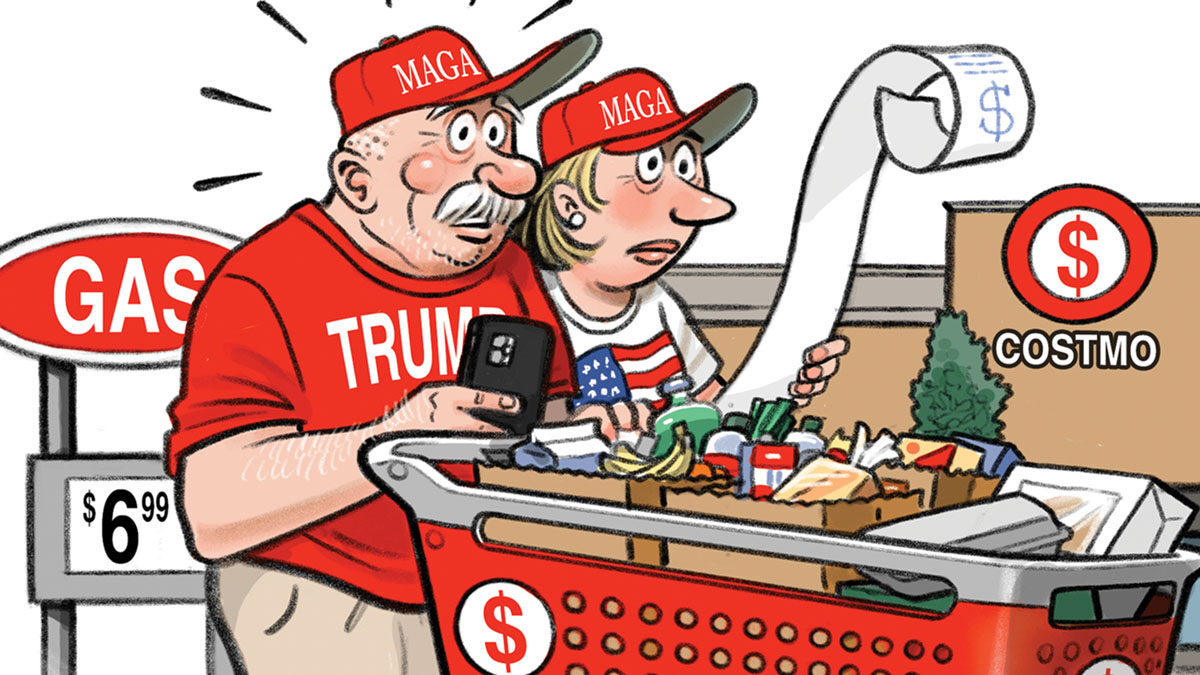
Federal gas tax holiday sees growing support amid pain at the pump
Trump administration's support spurs momentum for legislative proposals
Federal gas tax holiday proposals were making the rounds on Capitol Hill on Monday after President Donald Trump expressed his support for such an effort, with one new bill already introduced in the Senate and intentions for another announced in the House.
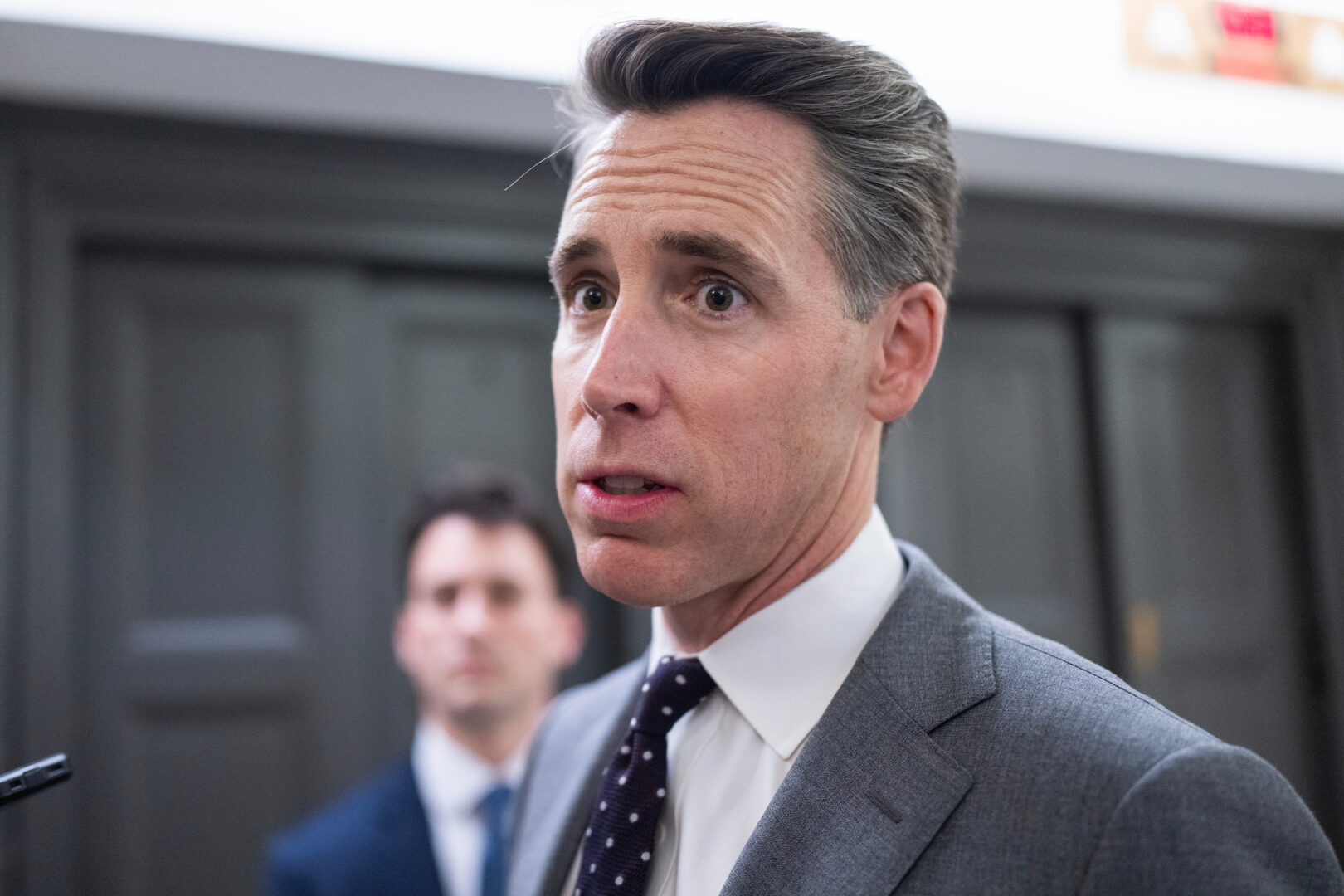
Sen. Josh Hawley, R-Mo., on Monday introduced a bill to suspend the federal gas tax for three months. Hawley’s measure, dubbed the Gas Tax Suspension Act, would pause the tax for 90 days from enactment with the option for the president to extend the holiday by an additional 90 days. It also would suspend the gas tax on diesel fuel.
“President Trump has proposed to suspend the federal gas tax and he’s exactly right,” Hawley said in a press release. “American workers and families deserve immediate relief and this legislation will do just that.”
In the House, Rep. Anna Paulina Luna, R-Fla., plans to also introduce a bill to “suspend the federal gas tax.”
“American families need this relief on gas prices,” Luna wrote in a post on the social platform X Monday. “My office will be working directly with President Trump to ensure we deliver this win for the American people.”
Details of her plan have not been released.
The federal tax on gasoline is 18.4 cents per gallon and on diesel is 24.4 cents a gallon.
Since the Iran war started in late February, gas prices have jumped across the country from a national average of about $2.98 per gallon of regular gas to about $4.52 as of Monday morning, according to auto club AAA.
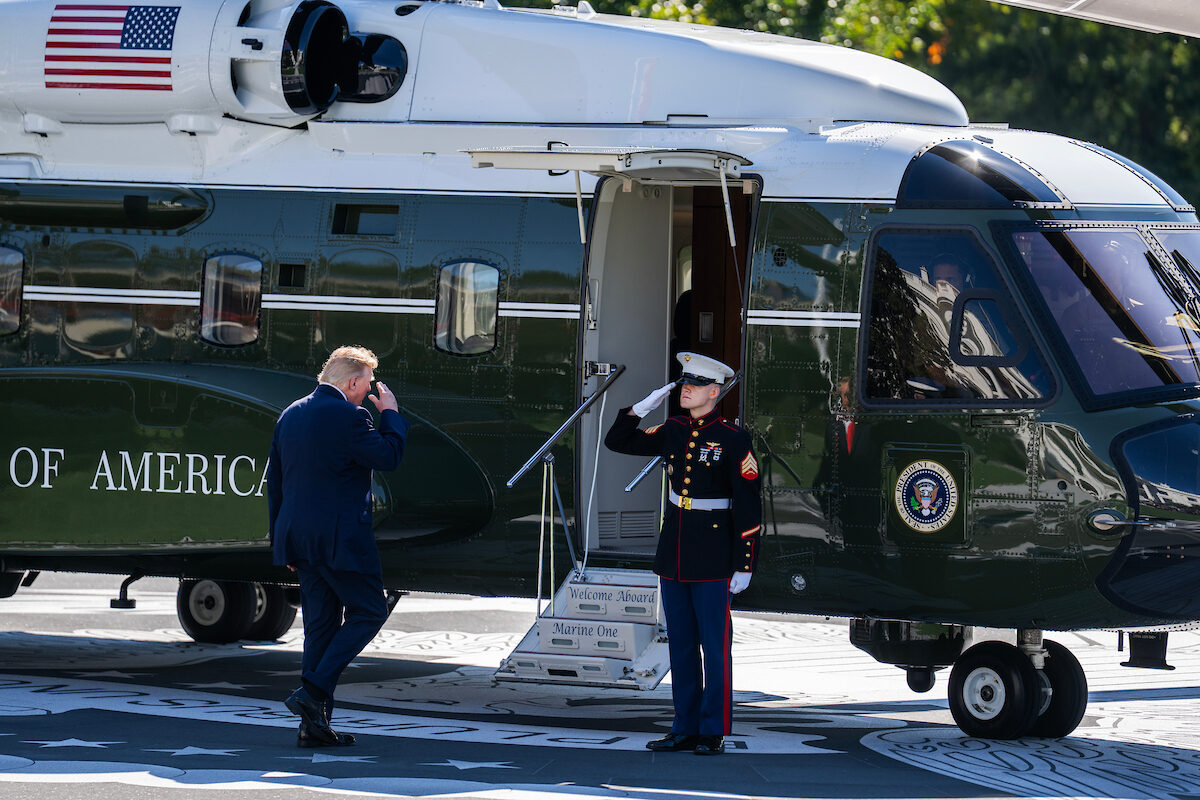
The new attempt at gas tax legislation comes amid growing support from the president for a gas tax pause. Trump told reporters Monday he was in favor of a suspension “until it’s appropriate,” according to the White House press pool.
Energy Secretary Chris Wright kicked off the gas tax conversation Sunday when he suggested on NBC’s “Meet the Press” that the administration was open to a pause on the federal gas tax amid rising prices at the pump.
“We’re open to all ideas, everything has trade-offs, all ideas to lower prices for American consumers and American businesses,” Wright said in response to a question on where the administration stood on the issue.
Several states, including Kentucky, Georgia, Indiana and Utah, have implemented or taken steps toward pauses in their state gas taxes in response to rising prices at the pump.
In early March, shortly after the war started and oil shipments through the Strait of Hormuz slowed to a crawl, Sen. Mark Kelly, D-Ariz., introduced legislation to drop the federal tax on gasoline until Oct. 1, 2026.
Kelly’s bill, co-sponsored by Sen. Richard Blumenthal, D-Conn., also would require the Treasury Department to transfer general funds into the Highway Trust Fund and Leaking Underground Storage Tank Trust Fund to keep those programs, typically paid for through the gas tax, solvent during the suspension. Unlike Hawley’s bill, the Kelly measure would not apply to diesel fuel.
Kelly sponsored similar legislation in 2022 in response to a call from President Joe Biden to lift the gas tax amid price increases induced by the Russia-Ukraine war.
‘Hidden costs’
A pause in the federal gas tax could have unintended consequences.
The Bipartisan Policy Center reported in a recent analysis that if Kelly’s measure or something similar passed, it would come with “hidden costs” by increasing the federal deficit about $12 billion. At the same time, the center found, consumers would see a gas price reduction of only about 10 to 16 cents per gallon, compared with the $1.54 increase since the war began.
The gas tax feeds into the Highway Trust Fund to cover the maintenance on the nation’s roads and bridges, but that fund has already been running a deficit for nearly 20 years.
Supplements for the program are already being discussed as part of negotiations for the upcoming surface transportation reauthorization bill to make the fund solvent before it is depleted. BPC noted in its analysis that depletion is currently expected by fiscal 2028, but a suspension of the gas tax would further accelerate that timeline.
The renewed interest in a gas tax holiday follows other moves the White House has made the last couple of months to ease U.S. gas prices as the war continues to add uncertainty to oil markets.
So far, the administration’s efforts have included a drawdown from the Strategic Petroleum Reserve and revisions of the summer gasoline blending requirements to allow refiners to produce more fuel.
Wright said Sunday that, more recently, the administration has asked refiners to shorten their maintenance timeline this spring to “keep pumping out more products.”
The Energy secretary maintained that prices will go down when “we start to get free flow of traffic through the Straits of Hormuz” but declined to predict when that would happen
Analysis released last month from the Energy Information Administration — DOE’s data arm — suggested that impacts to global oil markets would continue into next year, even if the war had ended in April. Still, EIA said any predictions are “highly contingent” on multiple variables.