Cassidy’s defeat complicates Senate Health committee’s future
Departing chairman leaves behind a reputation as institutionalist and policy wonk
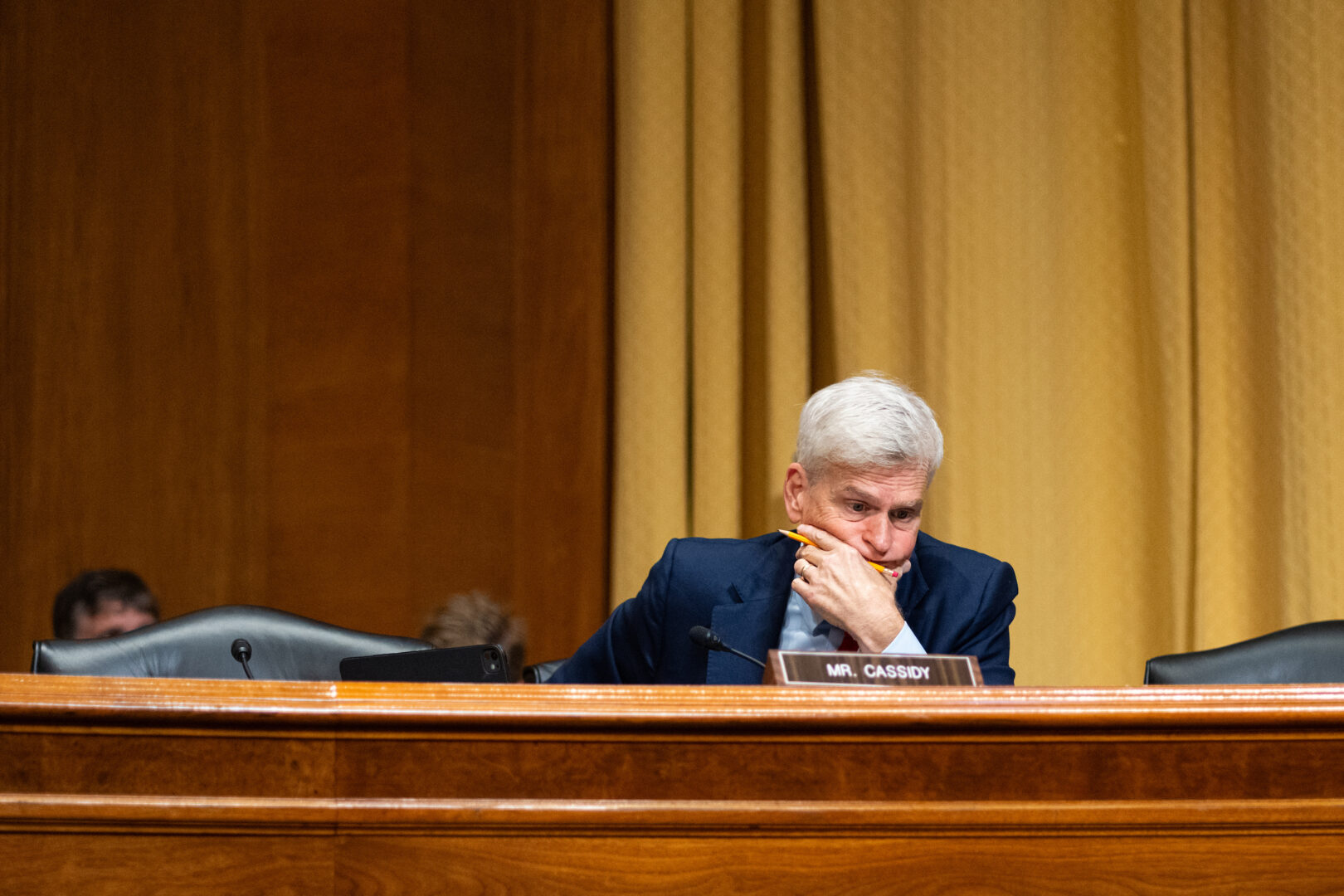
Sen. Bill Cassidy’s loss in the Louisiana Republican primary over the weekend puts the future of the powerful Health, Education, Labor and Pensions Committee in flux.
During his tenure as HELP chair, Cassidy has pushed legislative priorities such as a proposal to establish pre-funded health savings accounts for people on the Affordable Care Act insurance exchanges, and often sought to elevate anti-abortion policies.
As he focused on policy goals, however, he clashed over the direction of the Department of Health and Human Services and struggled with several of President Donald Trump’s nominees, driving a further wedge between him and the president.
The result was that the Centers for Disease Control and Prevention has gone without a permanent head for more than eight months and there’s no hearing date set for Trump’s most recent pick, Erica Schwartz.
The job of surgeon general has been vacant as Trump’s multiple picks for the role failed to garner enough support from Cassidy and other Republicans for committee approval. And the role of Food and Drug Administration commissioner is now vacant after Marty Makary resigned from his position following internal disputes within the administration.
Contenders for the chair
If Republicans maintain control of the chamber after the midterm elections, Sen. Roger Marshall of Kansas appears as a likely contender for the HELP chairmanship.
An OB-GYN by training, Marshall has made health policy a key issue in his portfolio. He has been a vocal supporter of the “Make America Healthy Again” agenda and would perhaps clear the path for future Trump nominees.
Marshall co-founded the MAHA caucus in Congress in 2024, pledging to focus on issues like chronic disease, nutrition and access to primary care.
He’s also willing to work across the aisle. He and Sen. John Hickenlooper, D-Colo., have teamed up on legislation that would require health care providers to post prices and give patients an explanation of benefits statement.
His office did not return a request for comment on his plans.
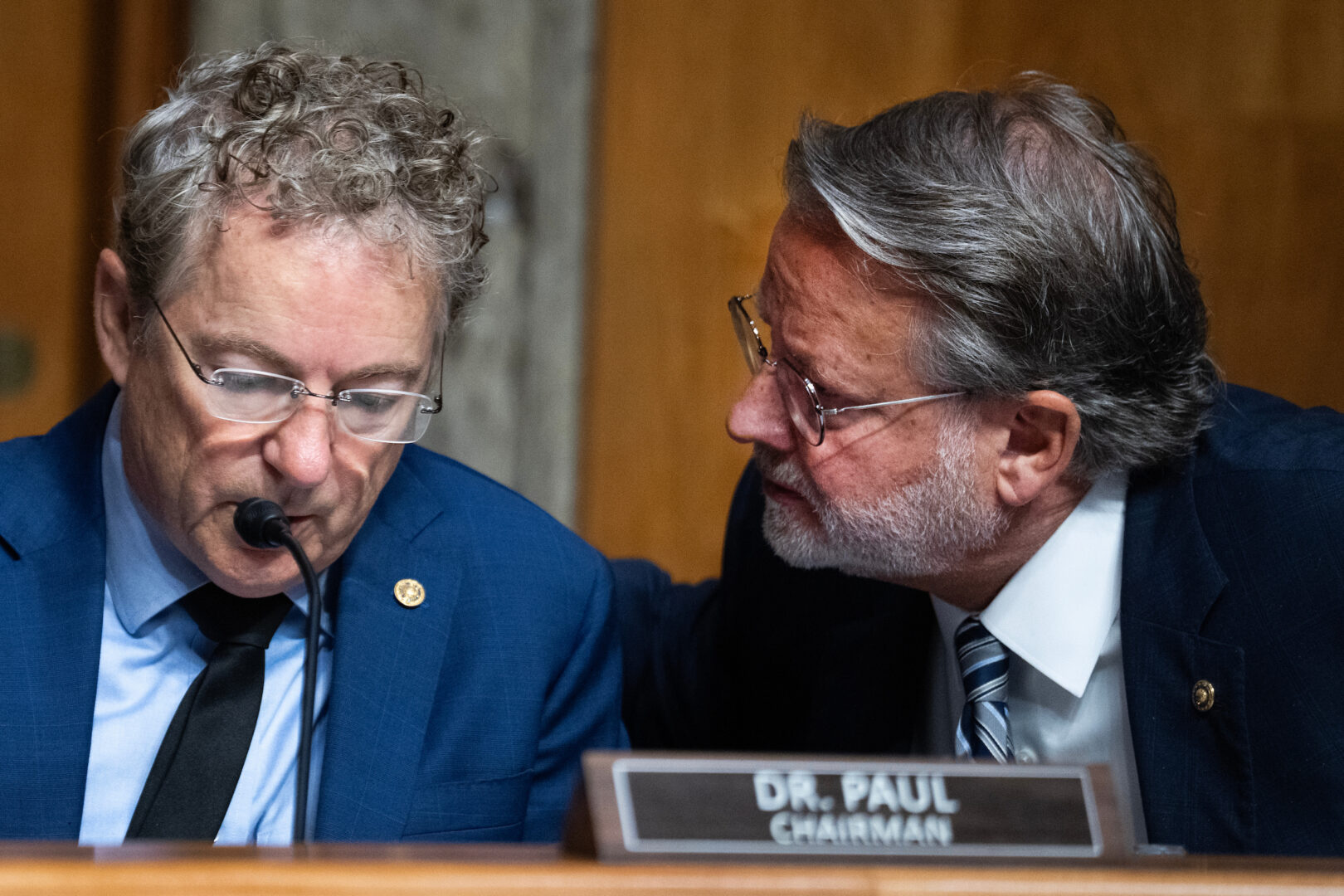
While other Republicans have more seniority on the panel — Sen. Rand Paul, R-Ky., is first in line — they could focus on other committees. Paul currently leads the Homeland Security and Governmental Affairs panel, Sen. Susan Collins, R-Maine, helms the powerful Appropriations Committee, and Sen. Lisa Murkowski, R-Alaska, chairs the Committee on Indian Affairs.
In the several months remaining in this Congress, Cassidy could focus on issues personal to him, including anti-abortion measures and gender-affirming care restrictions. The committee on Thursday meets for a hearing titled “Protecting our children: Exposing the dangers of irreversible gender transition procedures on minors.”
Issues that have surfaced as likely topics beyond price transparency include changes to the 340B drug pricing program, which lawmakers have accused hospitals of abusing, and streamlining the Food and Drug Administration drug approval process.
Cassidy’s legacy
Cassidy, a former liver specialist, is widely known in the Senate as an institutionalist and health policy wonk.
“You’re looking at a man who loves his country, who feels very, very good about how I serve my country and my Constitution, and my fellow Americans,” Cassidy said on Monday at the Capitol.
Asked if he would run for another office, he said, “Right now that door just seems to be shut.”
He has often faced the challenge of maintaining his personal ideals as a physician when they run counter to some MAHA goals while embracing other parts of Trump’s health agenda. His time as HELP chair has been marked by his strained relationship with Health and Human Services Secretary Robert F. Kennedy Jr. over vaccines.
That and his history with Trump put Cassidy in a bind leading up to the primary election, having voted to convict Trump in his 2021 impeachment trial following the Jan. 6 attack on the Capitol.
Despite reservations about Kennedy, Cassidy was the pivotal vote for Kennedy’s Senate confirmation, voting to advance the nomination in the Finance Committee, after saying he’d received ample assurances the two would maintain a close relationship on policy and staffing at the department.
“Convince me that you will become the public health advocate, but not just churn old information so that there’s never a conclusion,” Cassidy told Kennedy at his confirmation hearing in January 2025.
Within a few months, however, he was contradicting Kennedy’s suggestions that vaccines could be linked to autism, and he spoke out against the CDC’s decision to end the universal hepatitis B vaccine recommendation at birth.
Kennedy’s assurances never came to fruition, and Cassidy lost his seat despite his role in elevating Kennedy to the job.
Cassidy garnered just 25 percent of the vote in the state’s Republican primary, with Trump-backed Rep. Julia Letlow set to face off against Louisiana state Treasurer John Fleming in a runoff on June 27.
Additionally, Cassidy was forced to vie for an even more conservative voter base after the state got rid of its “jungle primary” system in which all candidates ran in the same race and the top two candidates went to the general election. Facing strictly Republican voters in a state that tipped toward Trump in the 2024 election was an uphill battle.
Cassidy faced backlash from Trump and MAHA figures for not moving to confirm Casey Means, a MAHA-aligned medical school graduate and influencer, as surgeon general, which Letlow seized upon.
“Bill Cassidy voted to impeach President Trump,” Letlow wrote on the social platform X in March. “He did not vote for him in 2024. And now, as chairman with the power to move this nomination, he still will not say whether he supports the President’s pick. Louisiana deserves better.”
One former Republican colleague took to Cassidy’s defense after the primary.
“The Senate to now lose an exceptionally brilliant and creative mind, an MD who chairs healthcare, and a person of character. Bill Cassidy’s departure is a loss for the country,” former Sen. Mitt Romney of Utah wrote Sunday on X.
Aris Folley contributed to this report.