Funds to combat child exploitation added to reconciliation bill
Funds would beef up DHS investigations of online crimes
The Homeland Security Department would get a new influx of funding to investigate child exploitation cases, including to identify victims of sexual abuse material online, under the GOP budget reconciliation bill.
The $108.5 million added in a substitute amendment Tuesday would support hiring additional investigators and forensic analysts within the department. The roughly $72 billion immigration enforcement package advanced out of the Senate Homeland Security and Governmental Affairs Committee on an 8-5 vote.
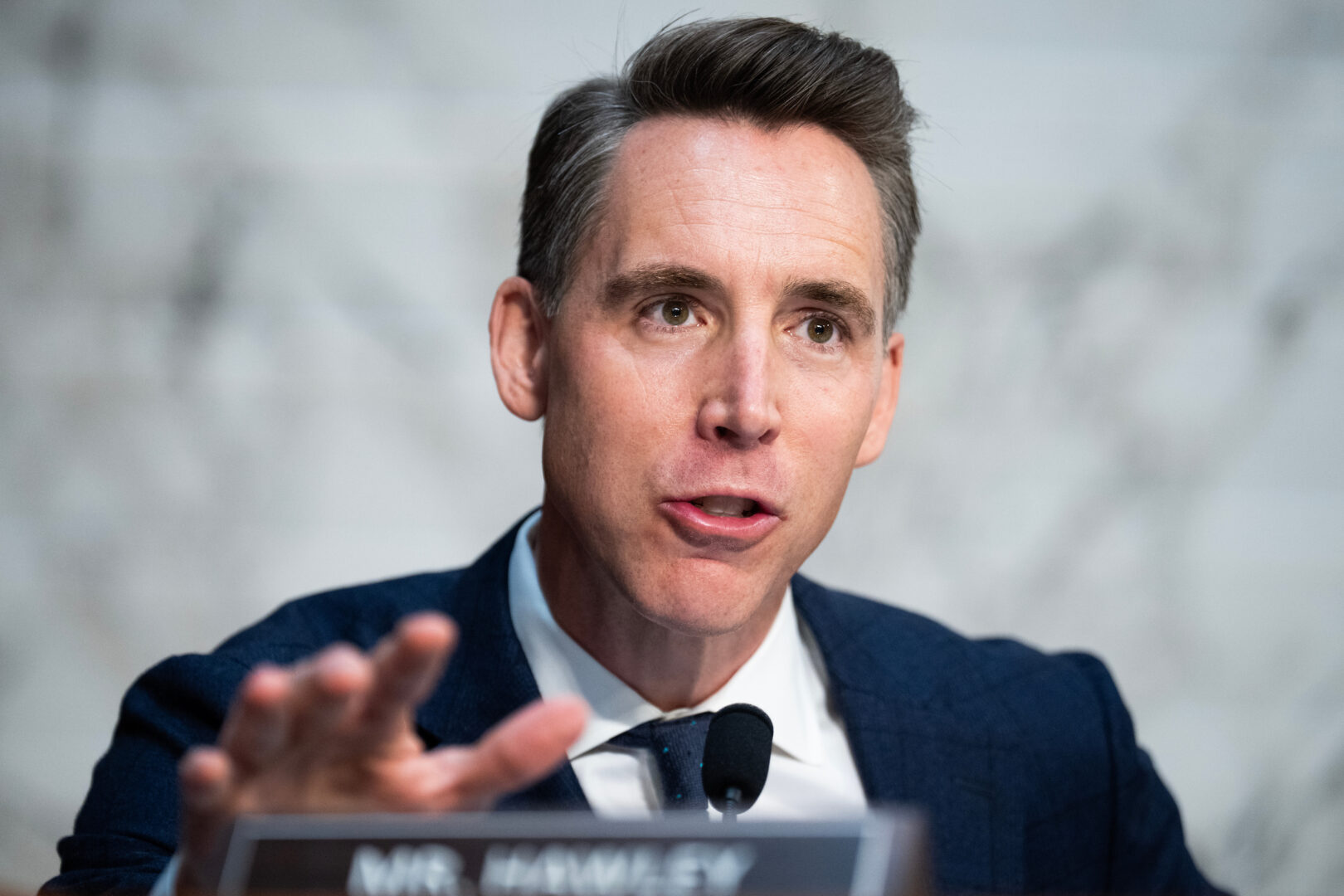
Sen. Josh Hawley, R-Mo., pushed to include the funds in reconciliation, which he said would allow DHS to add 200 new positions to “rescue children who have been captured by sex trafficking, including a new program for local, state and federal law enforcement to coordinate their efforts.”
“This is something [I’ve] personally worked very hard to get into the bill, and I’m ecstatic about it,” he said. “To me, it’s one of the most important things we’ll do in this bill.”
The funds would support hiring at the Victim Identification Laboratory of the Child Exploitation Investigations Unit and the offices of the Special Agent in Charge, both within Homeland Security Investigations.
The bill says the money would support investigators in “the identification and rescue of victims of child sexual exploitation and abuse” as well as training for state and local law enforcement in identifying victims. That training, according to the bill, would be within the Homeland Security Investigations Cyber Crimes Center.
The reconciliation text specifies that funds, which are part of a larger appropriation to Homeland Security Investigations, could not be used for immigration enforcement or customs enforcement.
At the committee markup Tuesday, one Democrat also sought funding for the issue. Sen. Maggie Hassan, D-N.H., offered an amendment that she said would have diverted funding for Secret Service security upgrades at the White House — widely associated with the president’s ballroom project — to instead “counter child sex exploitation.”
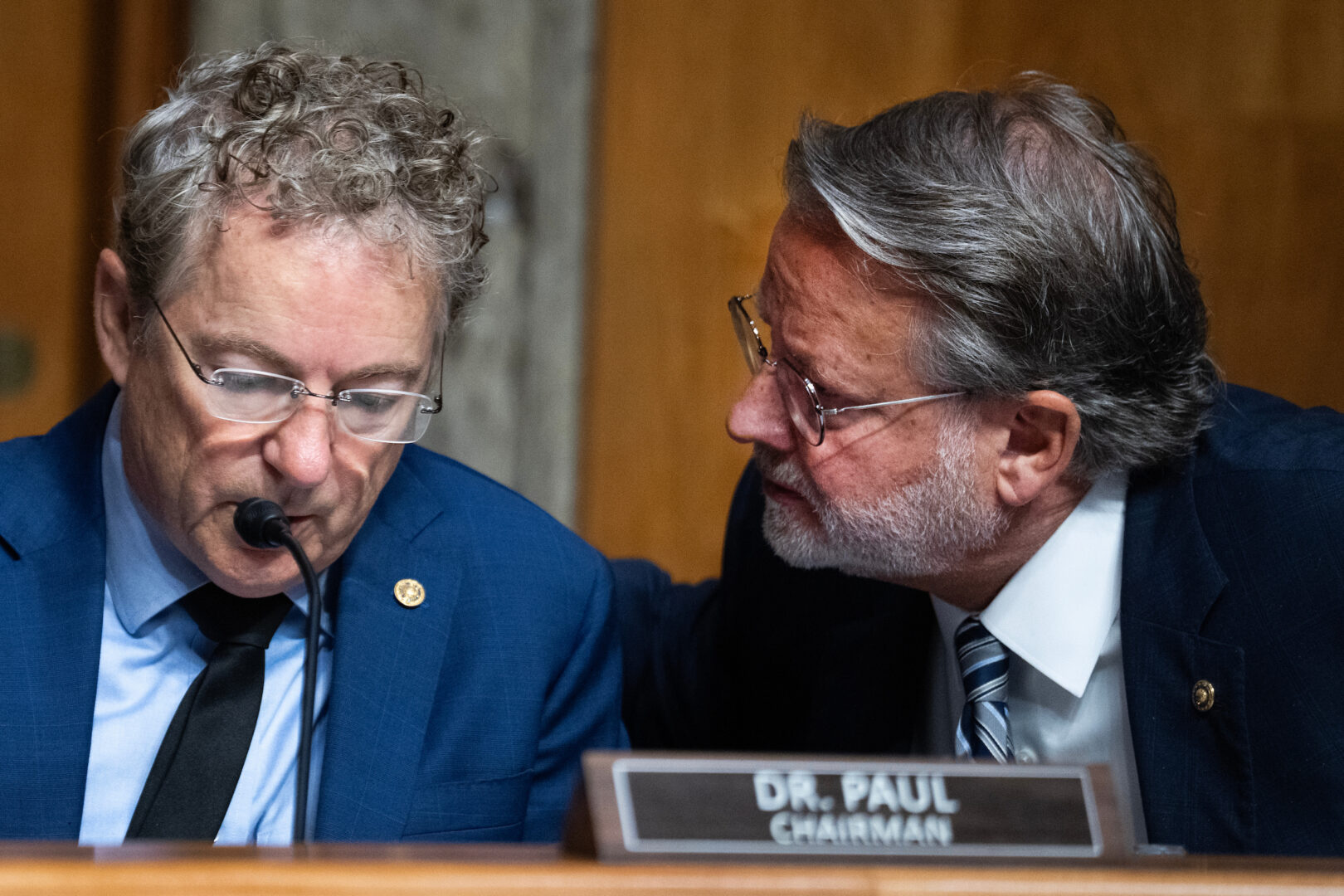
Committee Chairman Rand Paul, R-Ky., successfully moved to table the amendment, noting that the committee’s reconciliation text does not include funding for the ballroom.
Latest push on kids safety
The new funding for child exploitation investigations would add to a bicameral, bipartisan push to protect children online.
Earlier this year, Hawley led a hearing of the Senate Judiciary Committee’s panel on Crime and Counterterrorism focused on child sex trafficking. Former football player and media personality Tim Tebow testified alongside a victim’s mother and a representative, Staca Shehan, of the National Center for Missing and Exploited Children. Shehan told the committee that a new reporting law for online platforms led to an “astounding” increase in reports of child sex trafficking.
In February, the Senate Judiciary Committee approved three bills sponsored by Chair Charles E. Grassley, R-Iowa, as part of a manager’s amendment to a House-passed bill that would criminalize threats to distribute sexual depictions of a minor. The package carries the name of James T. Woods, a teenager who died by suicide in 2022 after being the victim of online sexual extortion.
Grassley’s bills included sections on sentencing guidelines for child sexual abuse material, threats to distribute such material and schemes to coerce children into violence.
The House Judiciary Committee forwarded the original bill, along with one that would make it a crime to compel a minor to harm themselves or others, including animals, through threats or extortion and another that would update child sexual abuse material statutes to make it a crime to include a minor in a visual depiction of sexually explicit conduct, even if the minor does not participate, in December of last year. All three bills have since passed in the House.
The Senate Judiciary Committee also recently voted unanimously to forward a bill by Hawley that would require providers of artificial intelligence companion chatbots to verify users’ ages and ban minors from the companions. Senate Commerce Chair Ted Cruz, R-Texas, has introduced his own chatbot-focused bill, which would require providers to give parents tools to govern their children’s use of chatbots. He has said that the Commerce Committee will hold a markup of multiple children’s online safety bills within the next month.
The House Energy and Commerce Committee combined 12 different kids’ internet safety measures into one bill in March. It would set new requirements for parental controls and require online platforms to put policies in place to address certain harms to kids online.
Aris Folley contributed to this report.