No, it’s not an anti-incumbent election, Volume 4
Recent crop of primary losses says more about Trump’s influence within GOP
ANALYSIS — Even with the potential of three incumbents losing primaries over the course of 10 days, please don’t call this an anti-incumbent election.
On Tuesday, Kentucky Rep. Thomas Massie lost the 4th District GOP primary to Ed Gallrein in a race that garnered national attention. That was just three days after Louisiana Sen. Bill Cassidy finished third in his GOP primary, becoming the first senator to lose renomination since Alabama Republican Sen. Luther Strange in 2017.
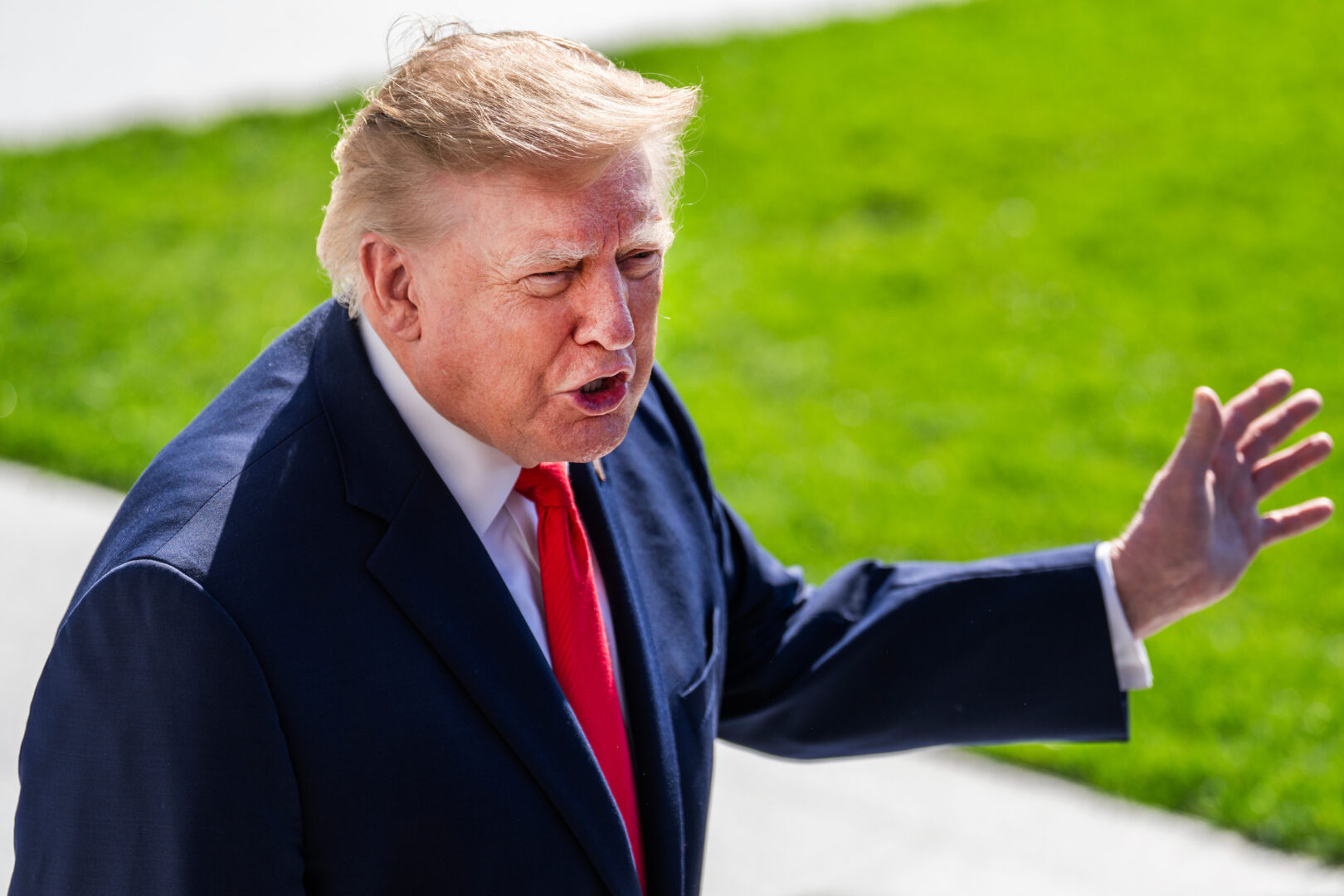
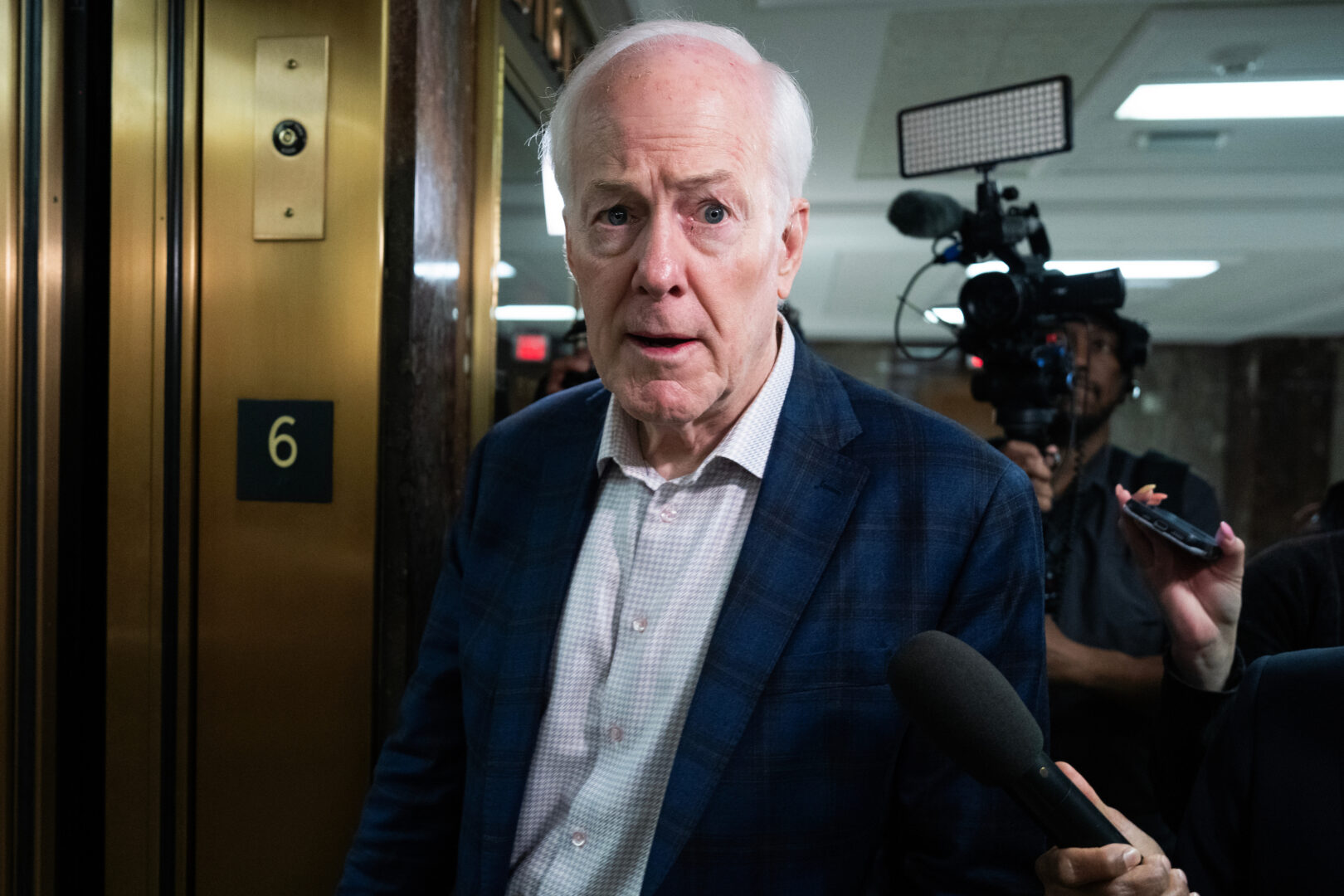
And next week in Texas, GOP Sen. John Cornyn is at serious risk of losing his primary. The longtime incumbent was already on the ropes, but President Donald Trump’s last-minute endorsement of state Attorney General Ken Paxton has likely sealed his fate.
If Cornyn loses, the “anti-incumbent” narrative will gain steam. And it will be wrong. The trend says more about Trump’s influence within the Republican Party than voters’ attitude toward incumbents at large.
In 2024, when Massie was still more of a libertarian headache for GOP leadership, he won his primary with more than 75 percent of the vote. But after getting sideways with Trump, particularly over transparency and the release of the Epstein files, the contours of the race changed. The president made it his personal mission to defeat Massie, and he lost.
Cassidy would have sailed through his reelection if he hadn’t voted to convict Trump at his 2021 impeachment trial. And Cornyn didn’t really have any problems winning reelection for 20 years until Paxton challenged him and Trump decided that the senator wasn’t loyal enough to warrant his support.
The only other incumbent to lose reelection in a primary so far this cycle is Texas Rep. Dan Crenshaw, and the Republican’s defeat shares some similarities with the more recent losses. Crenshaw had been on the outs with the MAGA wing of the Republican Party and Trump declined to endorse him in his race. But Crenshaw also had to run in a newly redrawn district against a state legislator who represented a chunk of that new seat. The congressman didn’t lose simply because voters were mad at incumbents.
Anytime an incumbent loses in a primary, the political world acts like it’s never happened before.
Such losses are more common in the House because there are more seats and redistricting can endanger incumbents in unique ways.
But incumbent losses are not unprecedented in the Senate either. Before Strange, Indiana Sen. Richard G.Lugar lost renomination in 2012 to fellow Republican Richard Mourdock. And in 2010, Utah Sen. Bob Bennett lost at the GOP convention and didn’t even make it to the primary (eventually won by Mike Lee) while Alaska Sen. Lisa Murkowski lost renomination to Joe Miller, although she won the general election as a write-in candidate.
Out-of-control narratives are nothing new, as well. My former boss and mentor, Stuart Rothenberg, spilled plenty of ink combating the “anti-incumbent” narrative in Roll Call columns almost 20 years ago, including “An Anti-Incumbent Election? This Year? Of Course Not,” from September 2006 and “Here we go again: An anti-incumbent wave next year?” from October 2007.
Many of Rothenberg’s points are still relevant, including what he said about the 1992 cycle.
“Twenty-four House incumbents going down to defeat may well qualify as an anti-incumbent election in the abstract, but, alas, it’s more complicated than that. The devil is in the details,” he wrote. “Large numbers of incumbents lost that year because of scandals and redistricting, not because voters across the country were so angry with Capitol Hill or with politicians in general that they simply voted against incumbents, regardless of party.”
It could be a similar scene this cycle. A larger-than-usual number of House incumbents could be defeated, but it will likely be due to a combination of redistricting and voter dissatisfaction with Republicans as the party in power presiding over a country that is viewed as on the wrong track.
It won’t be because voters are punishing incumbents equally from both parties simply because they hold office.