Prediction markets put under spotlight by House Oversight panel
Records sought from Kalshi, Polymarket over insider-trading concerns
Prediction markets are under new scrutiny from Congress as lawmakers mull a ban on members betting on the platforms.
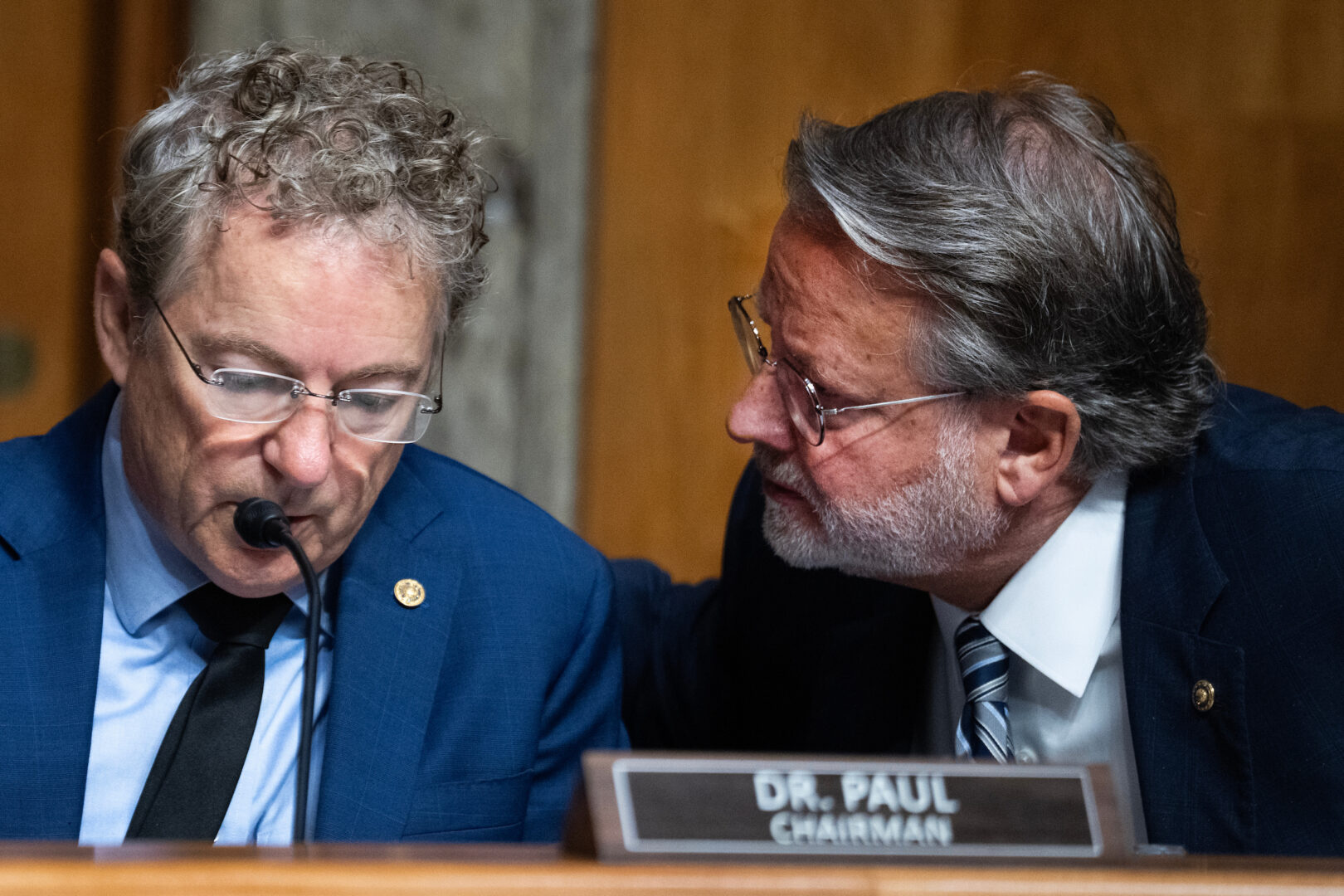
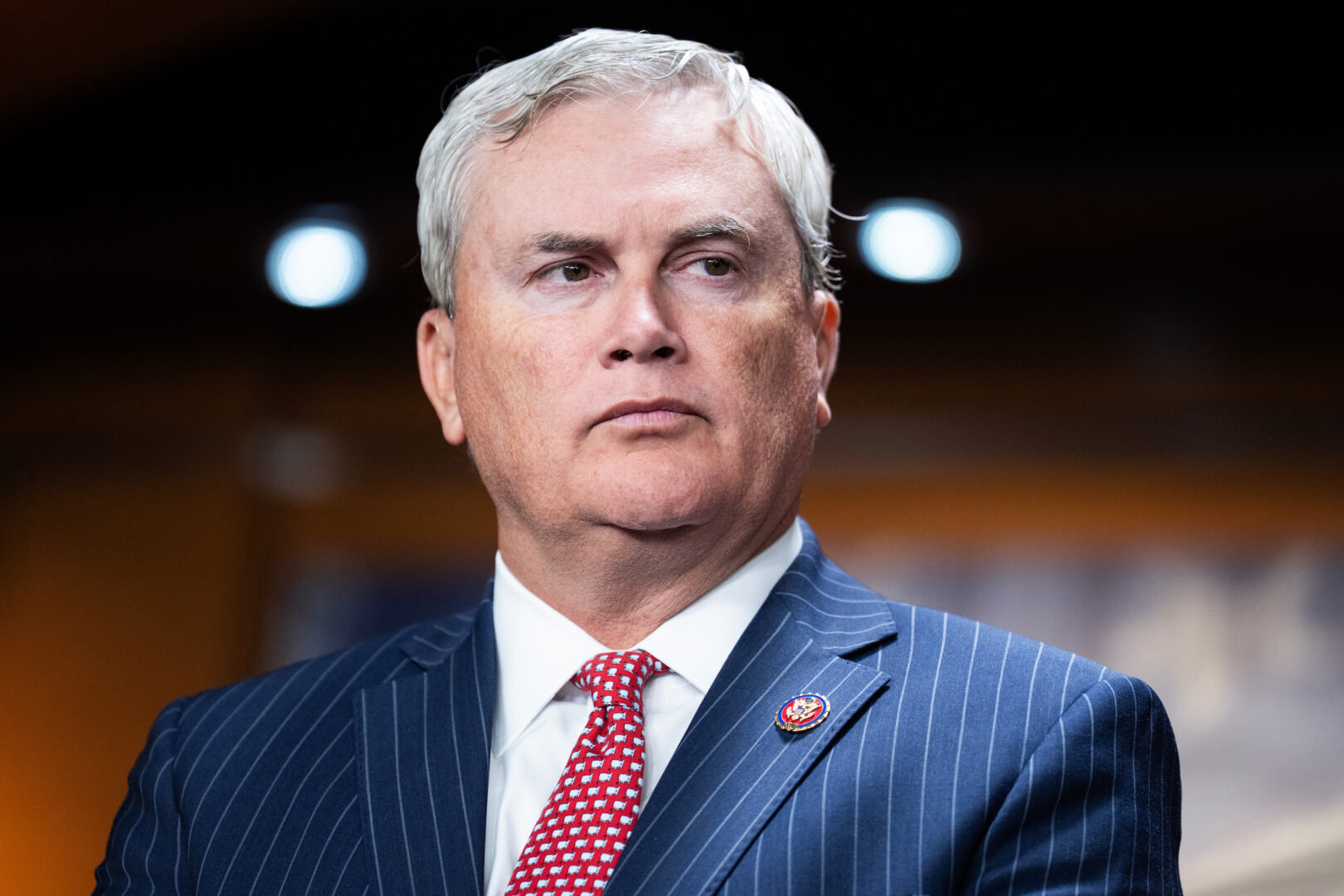
The House Oversight and Government Reform Committee officially launched an investigation Friday into insider trading on the platforms, spurred by suspicious bets on the capture of Venezuelan President Nicolás Maduro and the war in Iran.
Committee Chairman James R. Comer, R-Ky., sent letters to Kalshi and Polymarket requesting information on how the companies verify users’ identities, their geographic restriction policies, procedures related to suspicious trades and records of specific trades related to Venezuela and the war in Iran. The letters come after Comer indicated in an interview on Fox Business last week that the committee would begin an investigation.
In an interview with CNBC on Friday, Comer signaled his support for banning people within Congress and the government from trading on prediction markets. He’d previously seemed open to the idea but unsure of current law.
“We want to not only launch the investigation to see how widespread this has been thus far, but also to prove a case that we’ve got to pass some type of legislation,” Comer said. “And I think it wouldn’t be too much to ask, to say members of Congress can’t participate in the predictions market, nor can government employees or people in the president’s administration.”
He indicated that the law might need to go further to preclude those with insider knowledge from tipping off others to trade.
Comer also said current law isn’t clear enough on boundaries for government officials or others with insider information.
“There are no rules. You and I may think we know what’s ethical and what’s not, but there’s not written law. This is so new, and this has never been a problem until a few months ago,” he said.
The letters said the records would help the committee better understand what safeguards companies have in place and “unintended structural conditions” that can be exploited.
“Internal records held by prediction market platforms are the only means by which bad actors can be identified and to determine whether platforms are meeting their legal obligations,” the letters said.
Earlier this month, seven House Democrats, led by Rep. Chris Pappas of New Hampshire, wrote to Comer urging him to issue “subpoenas and open an investigation into apparent corruption and insider trading occurring in online prediction markets.” That letter specifically referenced suspicious trades related to U.S. and Israeli military action in Iran.
Kalshi’s head of communications, Elisabeth Diana, responded to the inquiry in a statement on Friday.
“As a US-regulated exchange we are proud of our comprehensive protections against insider trading. We look forward to engaging with the Committee and its members about the systems and processes that we have spent years building,” Diana said.
Polymarket indicated the platform will engage with the committee inquiry.
“Polymarket maintains a comprehensive market integrity framework. We look forward to engaging with Chairman Comer and the committee on how our platform is a pioneer in transparency,” the company said in a statement.
Legislation
If the House were to pass a ban, Comer’s committee would likely have a role to play.
A resolution that would ban House members and employees from trading on prediction markets was referred to the committee, along with the Judiciary and Ethics panels. Another resolution would amend the House rules to put in place a similar ban.
A bill that would ban trades by members of Congress, their dependent children, employees of Congress, the president, vice president, political appointees and executive branch or judiciary employees was also referred to the oversight panel, along with the Judiciary and Administration committees.
Other bills are aimed at banning insider trading in specific industries or areas of the government, including the intelligence community and political campaigns.
In April, the Senate adopted its own rule barring members and staff from trading on the markets. While the House has yet to act, some members are drawing up their own restrictions.
[Related: Will the House ban staff from prediction markets? These members aren’t waiting]
Comer’s probe comes after the Senate Commerce Subcommittee on Consumer Protection, Technology and Data Privacy held a hearing Wednesday with representatives of the sports betting and prediction market industries. Members of that panel on both sides of the aisle seemed skeptical of arguments that sports-related “event contracts” are investments rather than gambling.
At that hearing, the panel’s ranking member, Sen. John Hickenlooper, D-Colo., urged support for a bill he co-sponsored that would ban prediction market bets on acts of terrorism, assassinations, wars, government actions or actions a person can control or know the outcome of in advance.
FiscalNote, the parent company of CQ and Roll Call, has announced a product expansion into political prediction markets.