Supreme Court lets US end Haiti, Syria immigrant protections
A 6-3 decision finds courts cannot review most Temporary Protected Status decisions
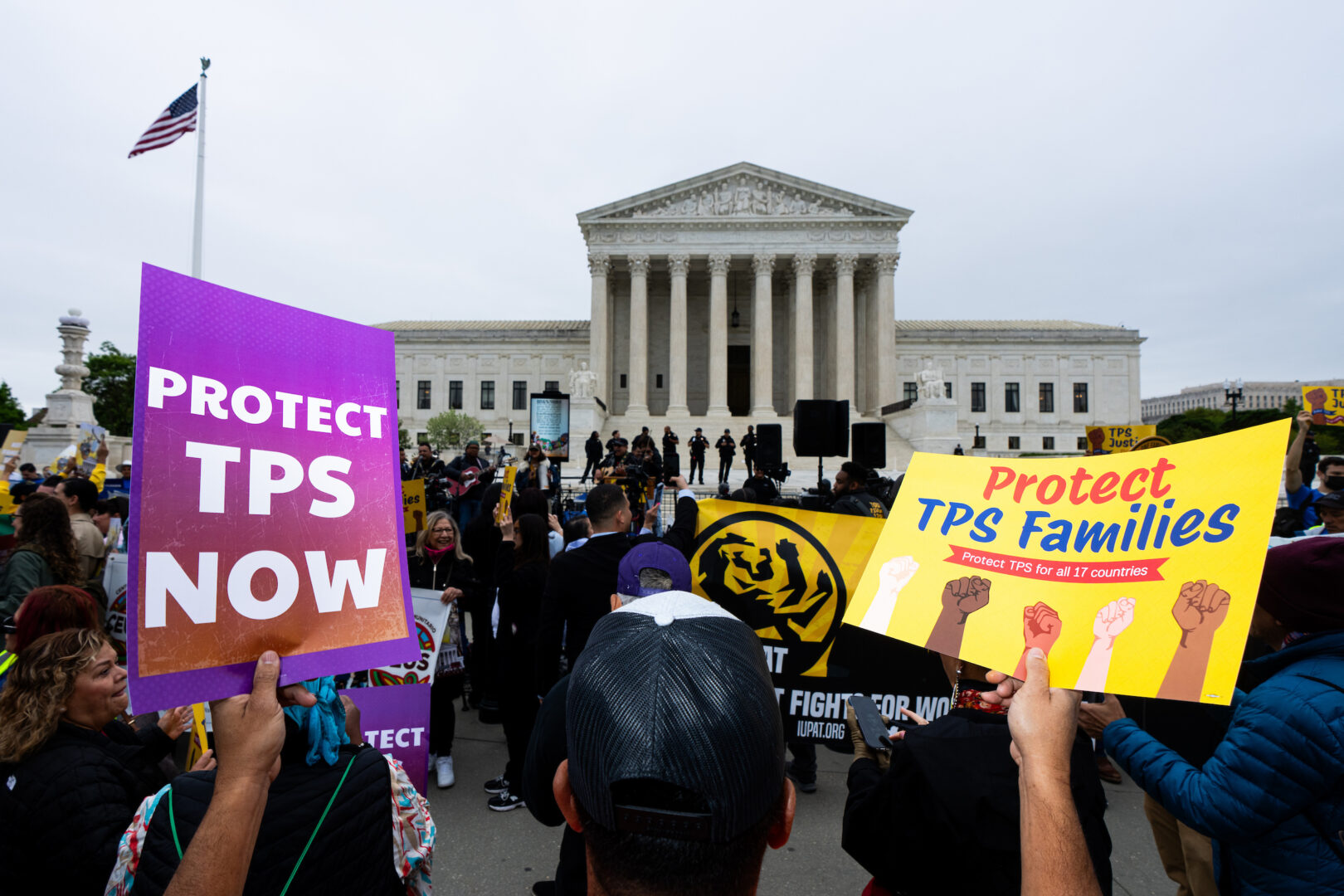
The Supreme Court ruled Thursday that courts cannot review most Department of Homeland Security decisions on which countries qualify for Temporary Protected Status, in an opinion that allowed the Trump administration to strip the deportation protections from immigrants from Haiti and Syria.
The 6-3 decision overturned lower court rulings that had preserved the protections for immigrants who contend the government unlawfully terminated the TPS designations from the two countries.
The decision directly impacts some 350,000 immigrants from Haiti and 6,000 immigrants from Syria.
Justice Samuel A. Alito, Jr., writing for the majority, said the statute that created the program explicitly bars judicial review of the decisions by the secretary of Homeland Security about extending or denying protections.
Congress did not intend for the secretary’s assessment of conditions in countries where TPS holders come from, which determines whether they continue to receive deportation protections, to be reviewed by courts, Alito wrote.
The opinion states the challengers cannot get around that bar by targeting different portions of the secretary’s decision. “This important principle ensures that challengers cannot avoid a judicial-review bar by creative pleading or clever lawyering,” Alito said.
Alito also wrote that Congress would still have significant power to rein in TPS designations, and “the fact remains that if a Secretary engaged in the sort of conduct that respondents imagine, Congress would have ample means to stop that abuse, including, for example, through the annual appropriations process.”
The TPS program, created in 1990, allows the secretary of the Department of Homeland Security to designate countries where it is too dangerous for immigrants to return home, according to the DHS website. When Trump took office for the start of his second term, the Biden administration had provided protections for immigrants from more than a dozen countries.
Separately, the majority overturned a lower court ruling which found that racial animus likely tinged the administration’s decision to end TPS for immigrants from Haiti.
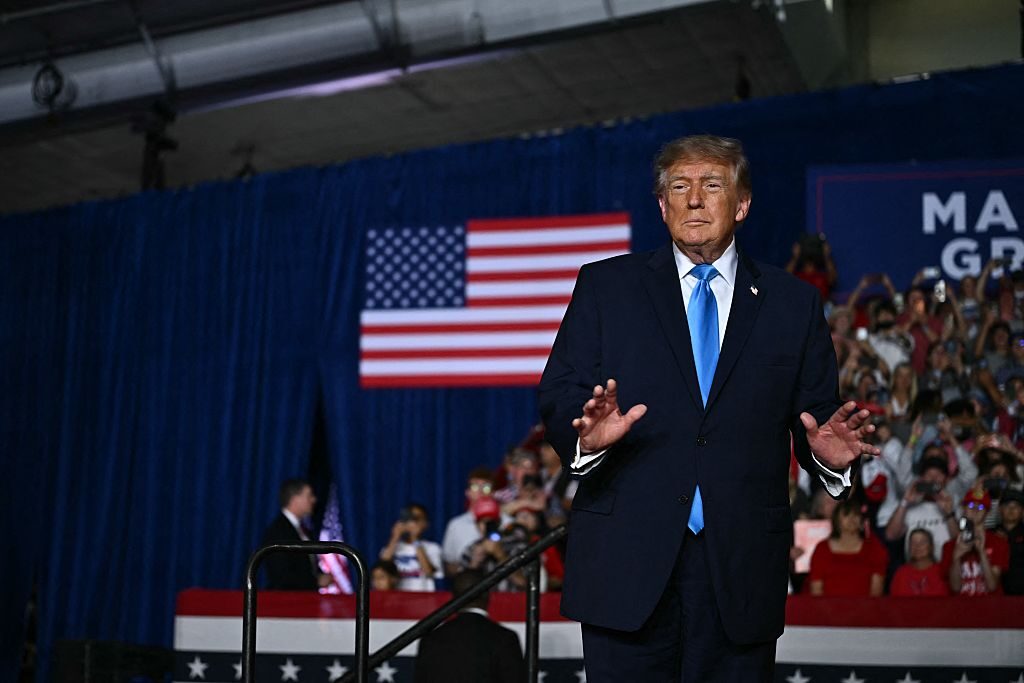
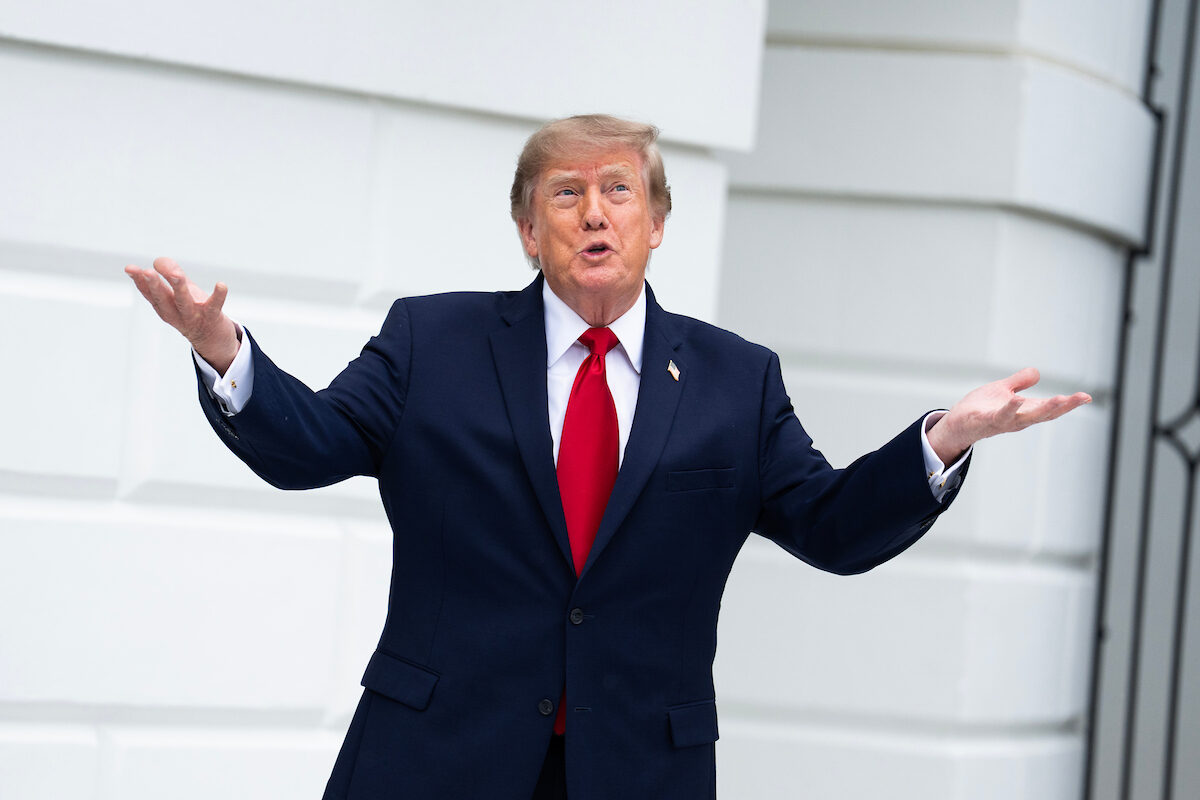
Alito wrote that statements by President Donald Trump and then-Secretary Kristi Noem about conditions in Haiti and behavior by Haitian immigrants did not amount to racial animus. That included Trump’s statements during a presidential debate last year that Haitian immigrants were eating Americans’ pets.
“None of the cited statements by either the President or the Secretary was overtly racial, and in substance all expressed policy views that could rest on race-neutral justifications,” Alito wrote.
Justice Clarence Thomas wrote separately that immigrants should not be considered to have equal protection claims against the U.S. government.
The decision sent the case on Syrian TPS protections back to the U.S. Court of Appeals for the 2nd Circuit and the case on Haitian TPS protections back to the U.S. Court of Appeals for the District of Columbia Circuit.
Justice Elena Kagan, in a dissenting opinion joined by Justices Sonia Sotomayor and Ketanji Brown Jackson, argued that the majority decision rendered the requirements of the law meaningless. Kagan said the majority effectively blessed an assessment of conditions in Syria and Haiti that rested on a single email.
“But the law prevents the program from ending as it likely did here — without the required consultations about country conditions, and, as to Haiti, with impermissible race-based considerations tainting the decision,” Kagan wrote.
Kagan wrote that the immigrants from Haiti and Syria should be allowed to remain in the country while they fight their case and “should not instead be consigned to devastating, and indeed life-threatening, injury.”
Since the start of the Trump administration, officials have sought to end protections for immigrants from more than a dozen countries. The administration has preserved one TPS protection so far, extending last month the protection for immigrants from Lebanon.
The decisions issued Thursday follow an emergency order from the Supreme Court last May that allowed the administration to revoke TPS from hundreds of thousands of Venezuelans.
The cases are Markwayne Mullin, Secretary of the Department of Homeland Security et al. v. Dahlia Doe et al., and Markwayne Mullin, Secretary of the Department of Homeland Security et al. v. Fritz Emannuel Lesley Miot et al.