DeGette’s defeat in Colorado shows the fading clout of seniority
A party that has long prized longevity may be entering a new Democratic era
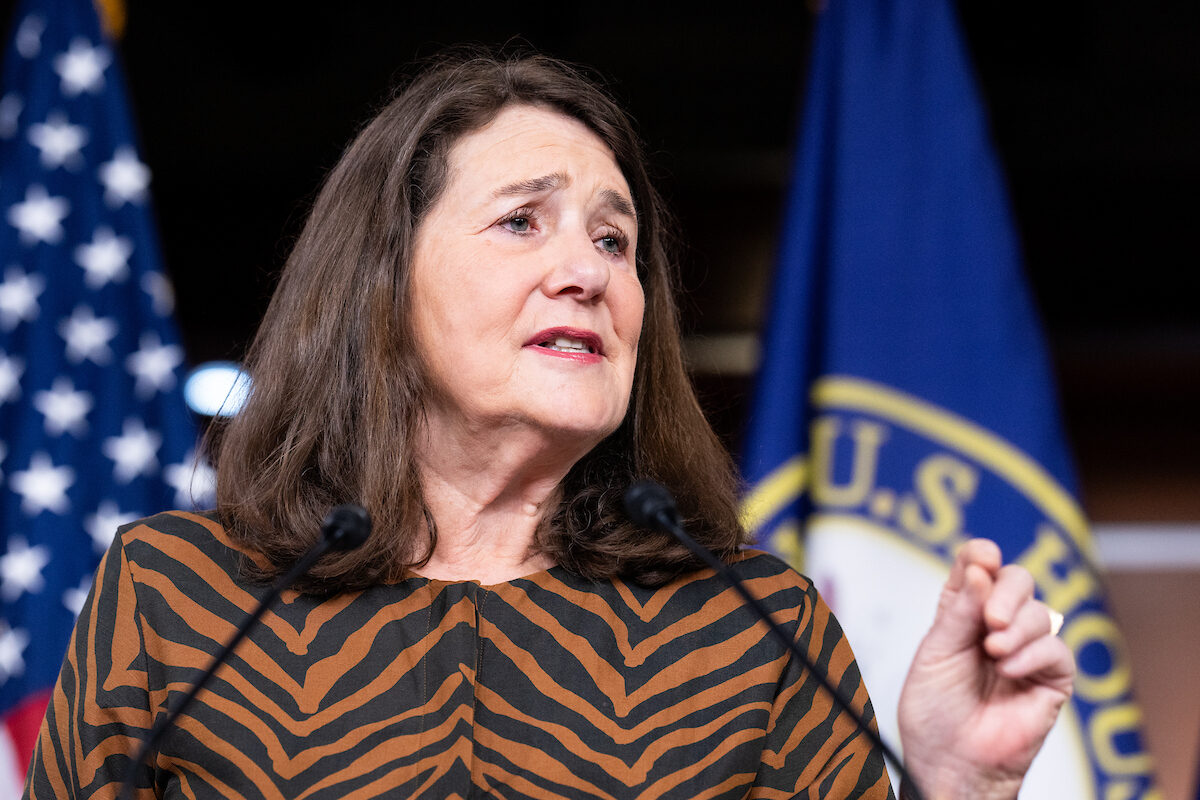
Colorado Democrat Diana DeGette was counting on her decades of experience in Congress to sweep her to victory over her insurgent rival in her deep-blue district.
The 15-term House incumbent pitched herself as the type of “strong, bold, hardened leader” who would hold President Donald Trump accountable. “Now is not the time to gamble and send somebody with no experience to Washington,’’ DeGette, 68, said at a candidate forum less than two weeks before the primary.
But instead of rewarding her long tenure in Washington, Democratic voters in the Denver-area district cast DeGette aside Tuesday in favor of Melat Kiros, a 29-year-old democratic socialist making her first run for elective office.
DeGette isn’t the only House Democrat to lose a primary this year. Last week, two of her colleagues from New York City — Reps. Dan Goldman and Adriano Espaillat, the chair of the Congressional Hispanic Caucus — were defeated by a pair of Washington outsiders.
And at least a dozen other long-established Democrats in safe seats face serious intraparty threats in the coming weeks. Some of the contests are marked by generational and stylistic differences; others are riven by stark ideological divisions over the role of corporate super PACs and U.S. policy toward Israel.
But they all signal the waning power of incumbency, long seen as a potent advantage in a Democratic Party system that has traditionally rewarded seniority with prime committee assignments and leadership posts. House districts around the country are witnessing a restless Democratic base gripped by populist fervor and impatience with incremental change.
“I don’t know anyone under 40 who gives the tiniest possible rat’s ass about [seniority],” said Aaron Regunberg, a former Rhode Island state legislator who led a Democratic group that urged Joe Biden to abandon his 2024 reelection bid following a disastrous debate performance. “I’m sure there’s still a sector of voters for whom that means something, but I haven’t talked to anyone like that in quite some time.”
Making their case
Some House Democrats locked in tough reelection fights haven’t shied away from embracing the mantle of Washington insider.
“Seniority, experience and relationships in Congress are critical,’’ Hawaii Rep. Ed Case, who is serving his sixth full term in the chamber, declared in a recent straight-to-camera video. “Otherwise we just get lost, chewed up and spit out. We can’t afford that.”
Case, a longtime centrist, is facing a primary challenge from state Sen. Jarrett Keohokalole, who has positioned himself as a change agent who would usher in “a new generation of leadership.”
On the other side of the country, the political strength of seniority faces a series of tests in heavily Democratic districts across New England, where several deeply entrenched incumbents have netted primary challengers.
In Connecticut’s 1st District, Rep. John B. Larson is battling three rivals, including former Hartford Mayor Luke Bronin, a center-left Democrat who has outraised the incumbent.
Larson, who is locked in his toughest campaign since coming to Congress in 1999, has emphasized the benefits that longevity in the House brings. He kicked off his reelection effort last year, declaring, “My seniority is your security,” and boasting that he would chair a powerful panel overseeing Social Security if Democrats retook the House.
In Massachusetts, progressive attorney Patrick Roath is taking on Rep. Stephen F. Lynch, an old-school Democrat from Boston seeking his 13th full term. “We have really big problems that we need to solve,” Roath said when he launched his campaign last year. “And we have got to have some new people and new leadership and fresh perspectives.”
And in California, Rep. Doris Matsui is touting the billions of dollars she says she’s brought home for flood protection, health care, clean energy and local jobs over her 21 years in the House. Matsui and progressive challenger Mai Vang are headed for a November showdown after taking the top-two spots in the June 2 nonpartisan primary.
And while distrust of Washington is one of the through lines of the midterm primary season, it isn’t exclusive to Democrats. Republican House members seeking promotions to governor have also struggled. Reps. Dusty Johnson of South Dakota, Randy Feenstra of Iowa and both Nancy Mace and Ralph Norman of South Carolina lost primaries this year. In Colorado, Democratic Sen. Michael Bennet fell short in his gubernatorial quest Tuesday, losing the primary to state Attorney General Phil Weiser.
Veteran members of the Democratic Caucus assert that seniority is critical to getting things done in Congress, from setting the legislative agenda to delivering for their district. House Democrats, in particular, have long placed a premium on career longevity.
But there are signs that could be shifting: In 2024, New York Rep. Jerrold Nadler announced he would cede his role as the House Judiciary ranking member and endorsed Maryland Rep. Jamie Raskin as his successor.
The following year, California Rep. Robert Garcia took over as the top Democrat on the House Oversight and Government Reform Committee, signaling a shift toward younger leadership within his party. The post opened after Rep. Gerald E. Connolly of Virginia stepped down after announcing that his esophageal cancer had returned. One of the contenders Garcia beat out for the role was Lynch, who had more than two decades of seniority over him.
Making their mark
Selling voters on the benefits of seniority has its limits, according to David Karol, a professor of government and politics at the University of Maryland. “A freshman is not going to become speaker … but the rigid seniority system, especially in the House, is largely a thing of the past,” he said.
Still, he added, “it’s not clear that voters understand any of this. You have to follow politics pretty closely to understand how [the committee structure] works.”
But in the attention economy, which prizes engagement with followers — or constituents, in the political world — committee work is only one way longtime House members can have an impact. Building a social media persona and developing a following are just as essential, some observers say.
First elected in 1996, DeGette has kept a fairly low profile over her tenure in Congress. She’s the top Democrat on the powerful Energy and Commerce Health Subcommittee and an advocate for progressive policies such as universal health care.
Kiros, in her victory remarks after the race was called, said DeGette had three decades to accomplish that.
“We will not wait to take the fight to Donald Trump and the oligarchy. We will not wait to abolish ICE and pass ‘Medicare for All,’” she told supporters after she was declared the winner. “And no, we will not wait to end the genocide in Palestine.”
Regunberg, who made an unsuccessful run for an open House seat in Rhode Island in 2023, said the Trump presidency has raised the stakes for Democrats.
“When you’re faced with all of that,” he said, “the fact that someone brought in x number of dollars for the road improvements in some town … I just don’t think that really resonates anymore.”