The data centers are coming. Is Congress ready?
For Republicans, local concerns meet ‘liquid gold’
TUCKER COUNTY, W.Va. — Tucked in a deep-red district in West Virginia, two tiny tourist towns rest high up in the Allegheny Mountains along the Blackwater River, nestled alongside grand waterfalls, winding hollows and scenic overlooks.
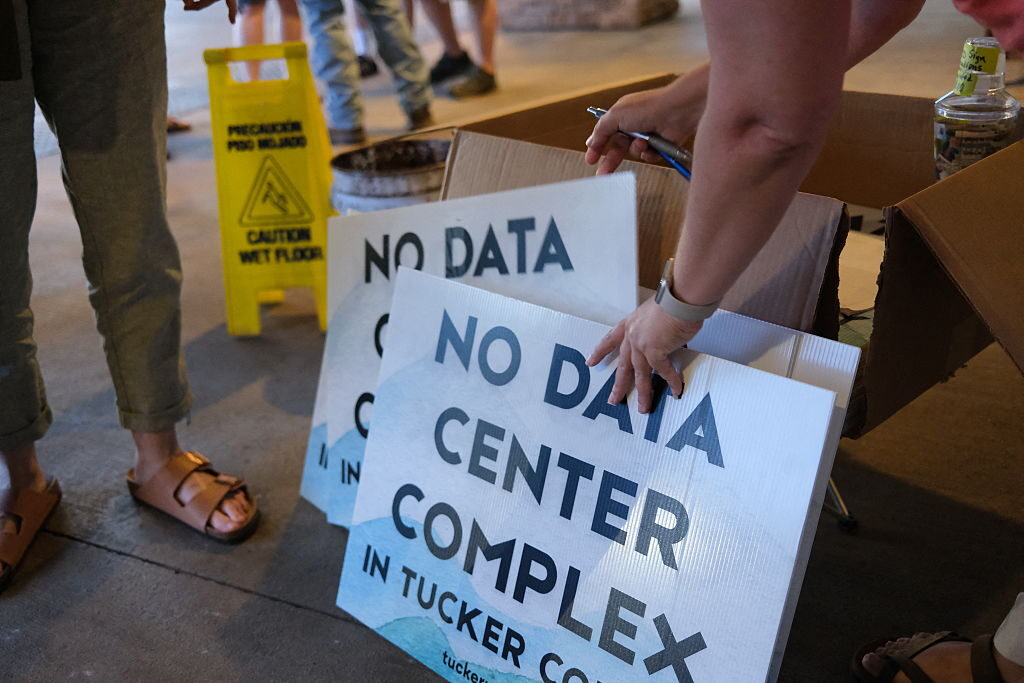
And soon, 10,000 acres between the towns of Thomas and Davis and spanning into neighboring Grant County could become home to one of the “largest data center campuses in the world,” its developers told The Wall Street Journal, including a new natural gas power plant with diesel backup generators and a solar facility — although its public details keep changing.
Nikki Forrester, a resident and organizer with Tucker United, a group leading the charge against the data center and power plant, sat on a bench in early July along the few-block stretch of downtown Thomas, about a mile and a half away from the proposed site.
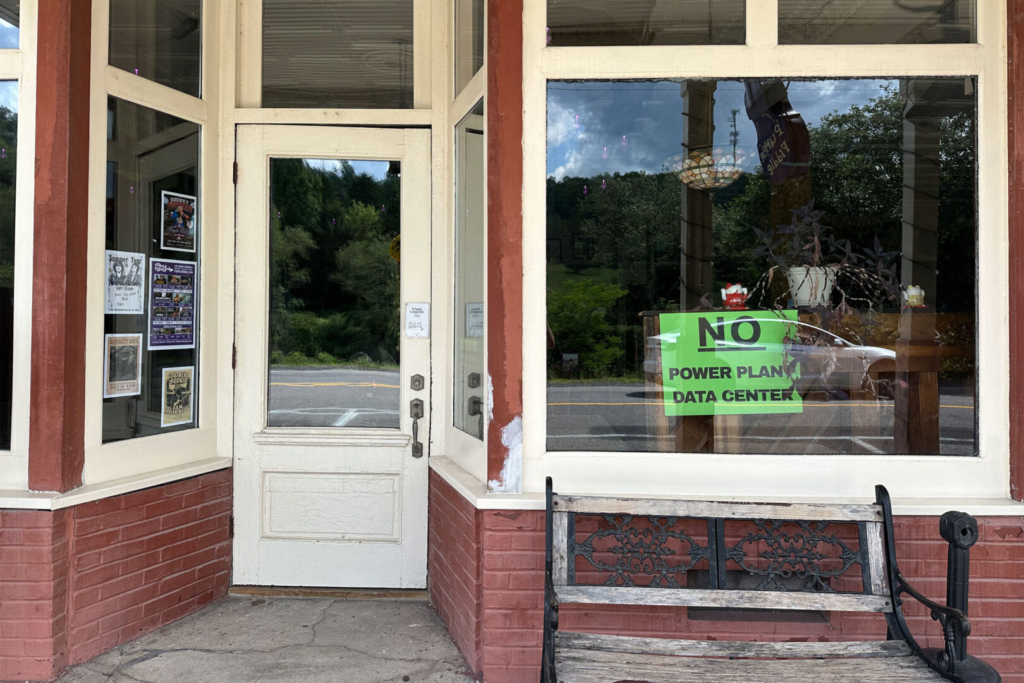
Almost every store window brandished signs opposing the data center complex, and Forrester estimated hundreds of citizens support her group, citing concerns about air and water pollution. Families with young children are especially concerned — the elementary and middle school is nearby.
“It’s the most energized … and unified I’ve seen anyone about an issue before,” Forrester said. “[It’s] been frustrating, but we’re also like, we can’t stop if we are the only line of defense in terms of getting answers … because no one else is.”
Tucker County is just one of thousands of communities across the country searching for answers amid a data center boom. While the majority of Americans oppose data centers in their areas, many of the lawmakers representing them in Washington argue the U.S. can’t afford for the rapid buildout to slow.
Republicans especially seem to be in a tight spot, party aides and lawmakers said. As the Trump administration pushes for AI adoption, many GOP lawmakers aren’t sure how to walk the tightrope between backing their data center-wary constituents and the AI industry.
Most new data centers are also cropping up in rural areas, according to Pew Research Center, which have grown increasingly Republican over the past decade.
“The locals aren’t particularly happy because there’s not local input. They can say something, but there’s not an approval or disapproval process at the local level,” said Rep. Riley Moore, R-W.Va., who represents Tucker County.
Moore referred to a state law that aims to attract business but overrides local control: “Part of that reasoning was the critical nature of data centers and the AI race between us and China, and the necessity to expedite these projects, which I certainly can understand. But I also understand the frustration of the locals feeling like they don’t have control.”
Since the discord is only just starting to trickle into Washington, Republicans are getting somewhat of a break this election cycle, said a national GOP operative, who was granted anonymity to speak freely. But by 2028, they expect it to be among the top issues.
“This election cycle may be the first election cycle where data centers are a huge issue on voters’ minds, and I think that’s a good thing,” said Rep. Suhas Subramanyam, D-Va., whose district is no stranger to data center proposals. “I’ve been talking about data centers since I got into politics … and how we need to be really deliberate and careful about where we put them and the impact it would have. And now people are starting to see it more viscerally.”
‘No good solution’
Democrats are also wrestling with messaging on the data center issue, and Subramanyam said the party could still “do better.” But Democrats seem to be faring better than Republicans, he added.
“Republicans seem to be tied with industry on this, and protective of the industry. And the president himself has called data centers ‘liquid gold,’” he said. “On the Democratic side, we have developed more of a platform of being with the communities and with the people affected by them, and that’s a good place to be politically right now.”
It’s undeniable that data centers have a PR problem, said Rep. Tim Burchett, R-Tenn.
“I think the data center people are totally off their game, they’re terrible at messaging, and there’s talk that the Chinese are putting it out because they’re the ones that want to be in the business of it,” he said, pointing to “a lot of misinformation out there.”
Republican Rep. Derrick Van Orden represents a sprawling southwestern Wisconsin district where there are plans to build a data center. He also said a lot of information opposing the project is “from the Chinese companies” who are “paying people to say this stuff.”
Van Orden faces a Toss-up race this fall against Democrat Rebecca Cooke, whom he defeated by 3 points in 2024.
Cooke released an ad accusing Van Orden of “selling out” to AI companies and, like some progressives in Congress, has thrown her support behind a data center moratorium. Van Orden called the ad a lie but has taken a more nuanced approach to data centers, stipulating that he won’t support them unless they have local buy-in and avoid farm land, among other factors.
That largely tracks with initial Republican messaging on the data complexes, although the GOP operative said there “really is no good solution.” For now, many candidates are stressing competition with China and touting job opportunities, while also acknowledging constituent concerns, such as the centers driving up utility rates.
Aside from progressives advocating moratoriums, Democrats are largely doing the same. Both Republicans and Democrats in Congress have introduced legislation aiming to foster local control in the data center proposal process and stabilize energy prices, but the bills are still in the early stages.
“They’re starting to see the environment, the water impacts affect them,” Subramanyam said. “If the data center industry does not collaborate with us as public officials and collaborate with the public more, then they’re going to have trouble building those data centers.”
Ridgeline resistance
In Thomas, Forrester said she has never done advocacy work before but felt that residents were the “only line of defense” against the proposal. Fundamental Data LLC, the Virginia-based company behind the so-called Ridgeline data center complex, has not been consistent with details, she said, and many in the community don’t trust it.
Fundamental Data did not provide Roll Call with answers to emailed questions.
“People haven’t forgotten what natural resource extraction has done to our communities in West Virginia — we’ve seen this playbook before, we’ve heard all the lines,” Forrester said. “It’s like, ‘Oh, we’re going to host a public meeting so we can check the box and say we engaged the community.’ But it doesn’t matter what people say, because it’s the same outcome.”
Forrester said Tucker United has reached out to members of Congress who represent the area but hasn’t received a response. When asked about communications with the group, Moore’s spokesperson said his office has not been in contact.
“I’ve heard from hundreds of constituents across the Second District who are sharing their concerns about the impacts data centers are having on our communities,” Moore said in a statement. He added he wants to see how the state’s new data center development plan might address those concerns.
A spokesperson for Sen. Shelley Moore Capito, R-W.Va., said in a statement that she has “emphasized the importance of local involvement, responsible stewardship, and the protection of utility payers along with prospects of job creation and community development.”
“She remains in touch with local leaders on this,” the spokesperson added.
Sen. Jim Justice’s, R-W.Va., office did not respond to a request for comment.
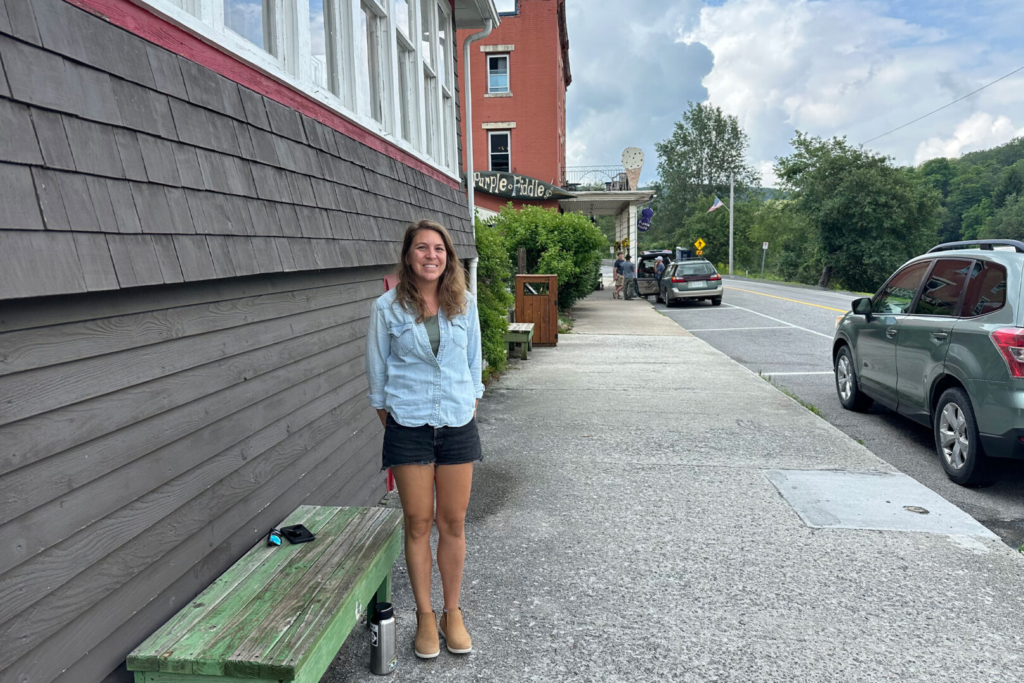
Residents have heard the “AI race with China” argument for data centers, Forrester added. But it’s been hard for them to relate, “like at the auto parts store in Thomas, where they’re like, ‘I don’t like seeing all this AI video stuff, I can’t tell what’s real or what’s not anymore.’”
“People live here for a reason … it’s because we like being outside in nature,” she said. “In many ways, this AI tech world feels so distant from our daily lives here … like, we still struggle to get basic internet.”
She pointed to the president of Utah’s state Senate, J. Stuart Adams, who was ousted in a June Republican primary after backing a data center near the Great Salt Lake. When asked whether the anti-data center fervor was strong enough in Tucker County to yield similar political outcomes, Forrester said: “It feels that way.”
“Here and across the country, the resistance has grown so much, movements have sprung up everywhere,” she said. “There’s a real possibility they could build out all this infrastructure and it’ll be obsolete in a few years … so, it’s like, what is it going to be next?”