As Trump threatens the Smithsonian, Congress is on the sidelines
Lawmakers keep a wary eye on the bitter cultural clash
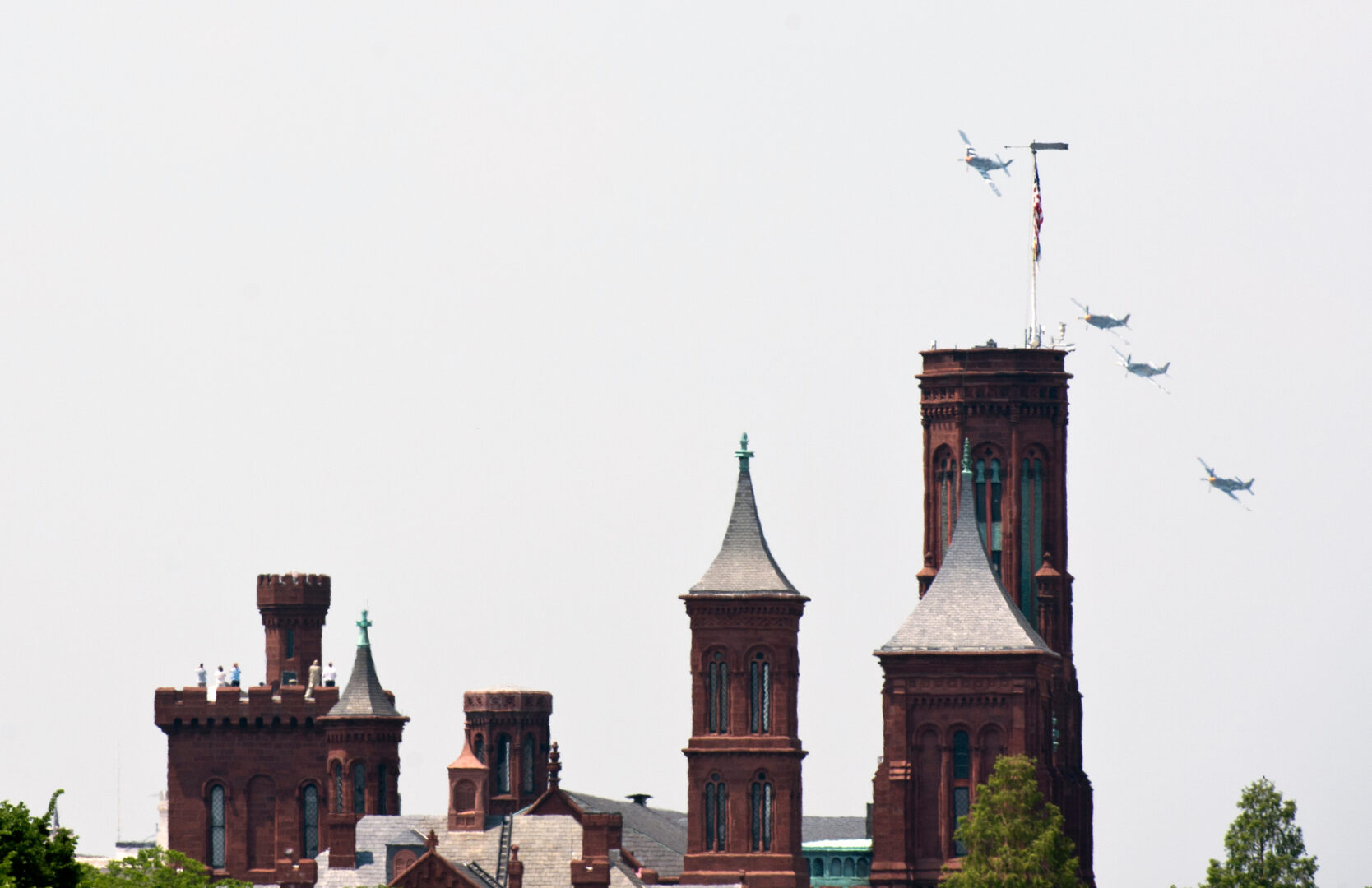
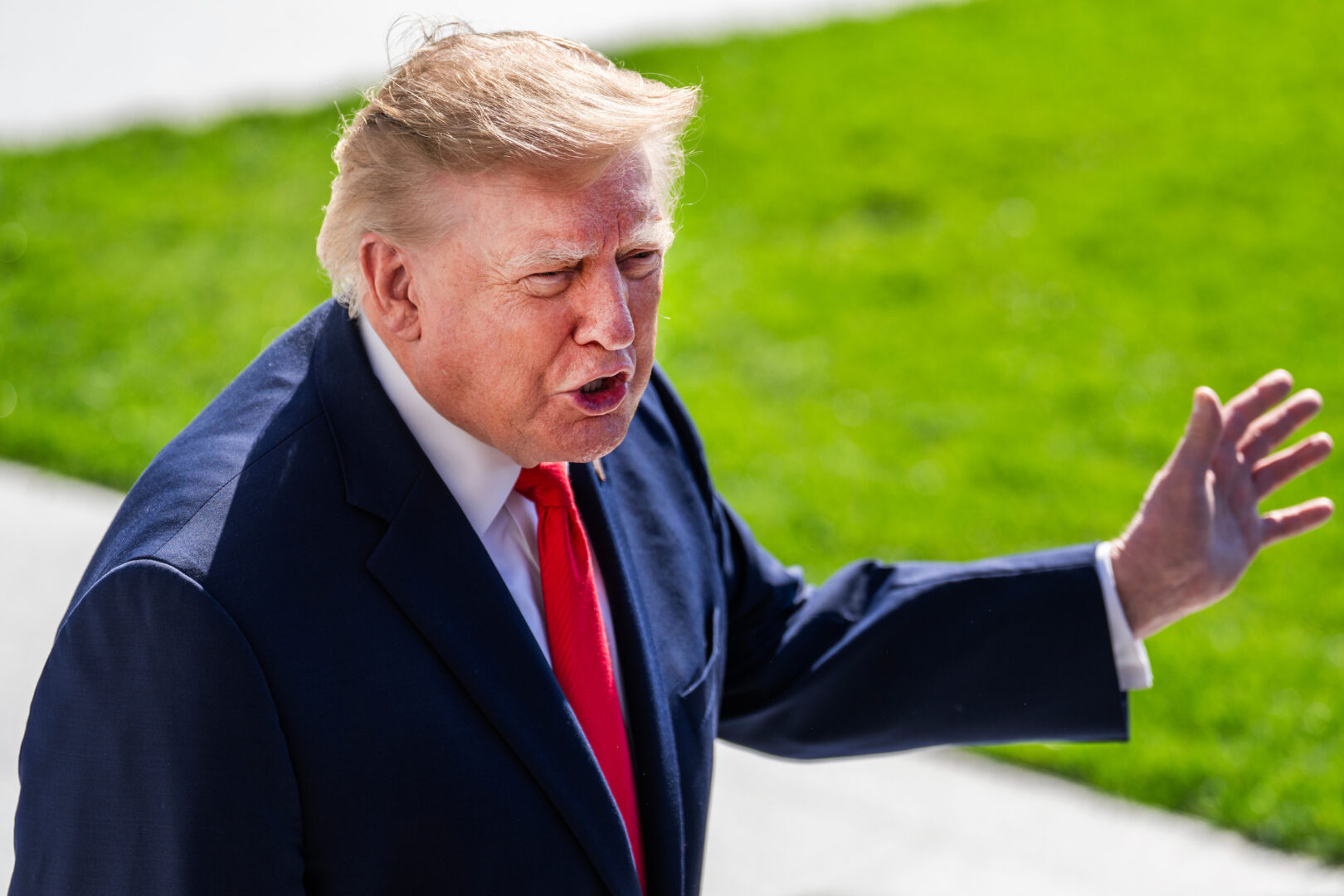
As the White House accuses the Smithsonian Institution of “ideological capture,” it’s put members of Congress in a tough spot as they weigh what, if anything, they can do.
A 162-page White House report released last weekend singled out the Smithsonian National Museum of American History, saying it “no longer treats the American story as a shared national inheritance to be taught or celebrated, but as a political instrument to divide, dispirit, and discourage our citizens.”
Nevada Democratic Sen. Catherine Cortez Masto, one of the six members of Congress on the Smithsonian Board of Regents, called the report “disgraceful.”
“I remain committed to ensuring the Smithsonian continues sharing our country’s inspiring story without partisan interference from this President or any other,” she said in a statement.
But many Democrats are wary of wading into a cultural fight as they try to stick to affordability messaging ahead of the midterms.
And Republicans are reluctant, too. In theory, the majority could use a range of tools to add fuel to the president’s Smithsonian agenda, from holding oversight hearings to pushing bills through the House. But so far, they have done little to make it a priority.
While the House Administration Committee held a Smithsonian oversight hearing in 2023, pressing Secretary Lonnie Bunch on topics like drag performances and what the panel described as anti-conservative bias in some museum exhibits, Republicans have yet to schedule a similar hearing this Congress.
A handful of lawmakers have introduced bills aimed at codifying President Donald Trump’s executive order last March that called for the removal of “divisive, race-centered ideology” across the Smithsonian’s 21 museums and the National Zoo. But those bills — led by Rep. Keith Self of Texas, Rep. Tim Burchett of Tennessee and Sen. Jim Banks of Indiana — have gone nowhere. None has seen a committee markup or landed a single co-sponsor.
In his executive order, Trump directed Vice President JD Vance and Office of Management and Budget Director Russell Vought to work with Congress to ensure that appropriations for the Smithsonian bar any spending on exhibits that “degrade shared American values” or “divide Americans based on race.” Last cycle, the president requested a 12 percent cut to the federal money it receives — which makes up less than two-thirds of the institution’s total annual budget — but Congress didn’t deliver, instead keeping the funding level mostly steady at just over $1 billion and including no policy riders driven by Trump’s vision.
New museums stalled
One way Congress can shape the Smithsonian is by establishing new museums — which it did in 2020 with a pair honoring women and Latinos. Now those newcomers are waiting on Congress to clear the way for construction within the tightly controlled reserve of the National Mall. Republicans had led the way on bills to do just that, but an effort led by Rep. Nicole Malliotakis, R-N.Y., fell apart this May on the House floor as Trump’s agenda seeped into the once bipartisan push.
Democrats pulled their support over last-minute changes that would have banned exhibits about transgender women and given power over site selection to the president. And some Republicans began questioning why the nation needs a museum devoted solely to women at all.
“Show me where in the Smithsonian women are being discriminated against. To me, we ought to be about unifying instead of separating,” Burchett said at the time, voting against the bill despite being a co-sponsor of it.
The bill to kick-start the Latino museum’s construction has also stalled. In a statement, lead Senate sponsor Alex Padilla, D-Calif., said, “Congress created the Smithsonian to be independent by law.”
“I will continue to fight for that independence from any one person, or president, trying to politicize it and rewrite history,” added Padilla, who serves as ranking member of the Rules and Administration Committee.
Others who want to see even more culturally specific museums — for Irish Americans and Italian Americans — have also seen no progress on their bills.
The moment is particularly fraught for the lawmakers who sit on the Smithsonian’s board. One, Rep. Carlos Giménez, R-Fla., joined last year during the current Trump era, while the others have served for longer.
Cortez Masto and another board member, Sen. Gary Peters, D-Mich., urged Bunch in a September letter to “resist” any attempts by the president to “bully” the institution.
“Presidents and their staff may be important stakeholders of the Smithsonian, but they do not have any legal authority to dictate how the Institution is run, or remove its leadership staff, much less dictate historical or scientific content,” the senators wrote in their letter, which was also signed by Padilla and Sen. Jeff Merkley of Oregon, the top Democrat on the Interior-Environment Appropriations Subcommittee.
In a statement this week, Merkley pushed back against the Trump administration’s assertion that the Smithsonian is weaponizing ideology, saying the president has his own “ideological agenda” that disregards “the reality of our triumphs and failures.”
Looking forward, Congress has another role to play, with some citizen seats on the Smithsonian’s board of regents currently empty after their terms expired earlier this year.
Unlike the Kennedy Center, which has also been a target of Trump’s attacks on cultural institutions, the president wields less influence over the Smithsonian. While 36 of the Kennedy Center’s trustees are appointed by the president, the six congressional members of the Smithsonian’s 17-member board are appointed by the Senate president pro tempore and the House speaker. And lawmakers are involved in choosing the nine citizen members, too, who are appointed via a joint resolution approved by Congress and signed by the president. The vice president and the chief justice of the Supreme Court sit on the board as ex officio members.
In his executive order, Trump urged the appointment of citizens “committed to advancing” the “truth and sanity” vision he laid out.
Without congressional action, those seats would remain empty.