Cruz, Democrats push back on FCC move to lift ownership cap
Senate Commerce chairman says he's ‘skeptical’ the agency can act alone
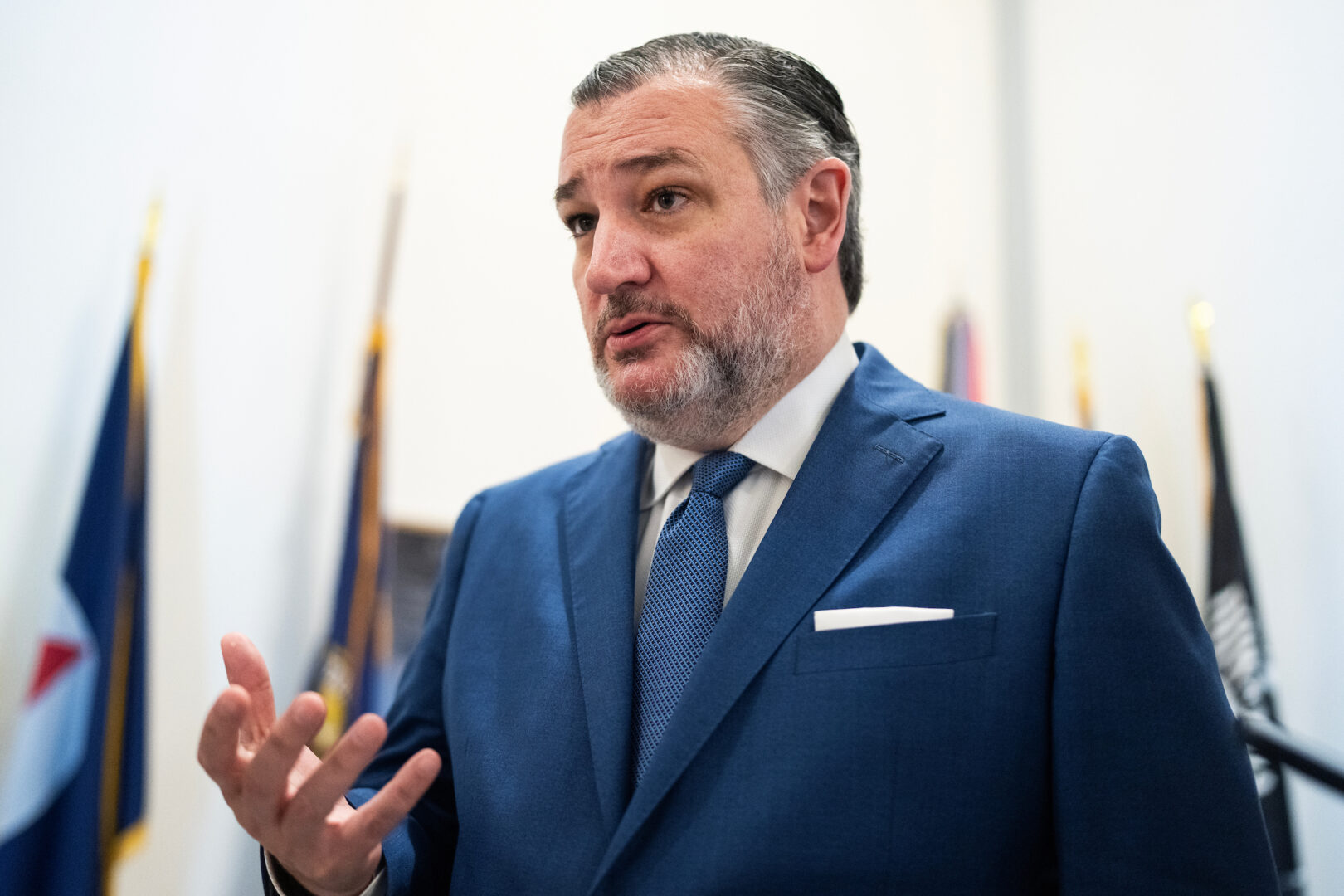
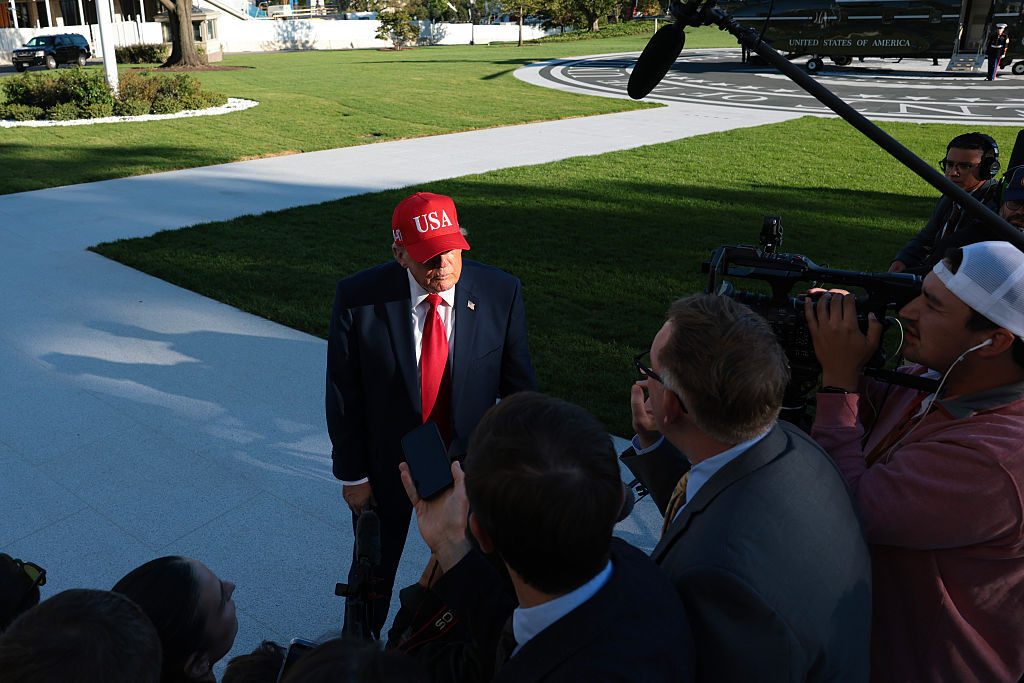
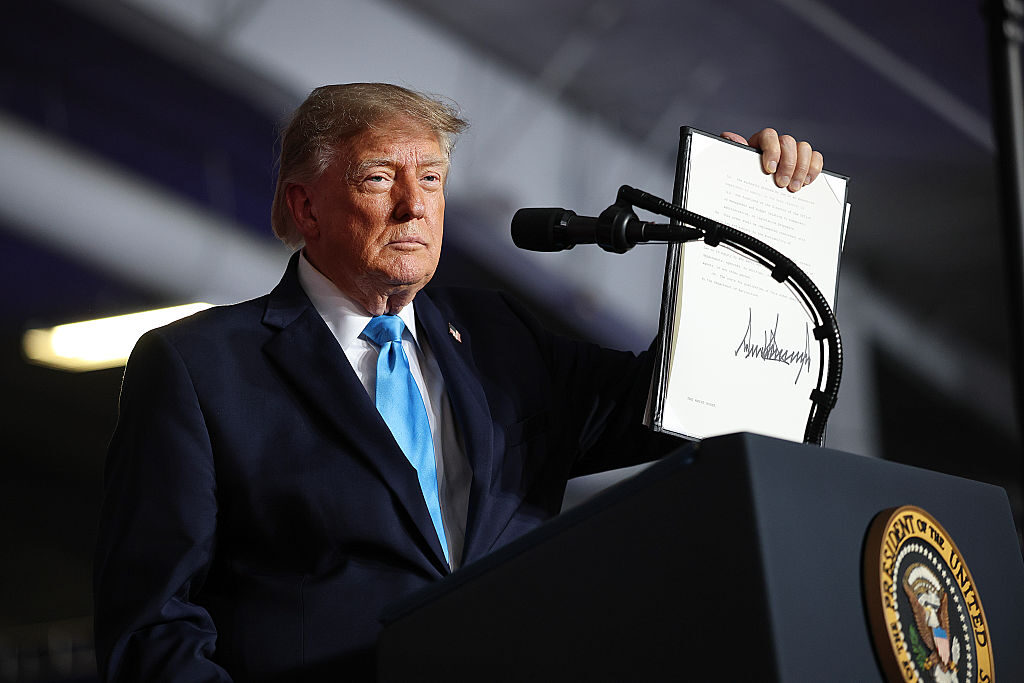
The Trump administration is moving ahead with plans to allow for more consolidation in local television, a move that got pushback from Senate Commerce Chairman Ted Cruz over the role of Congress in changing the television ownership cap.
Federal Communications Commission Chair Brendan Carr announced plans Wednesday to vote to repeal the national broadcast ownership cap, which limits what percentage of the market one ownership group can reach.
The move drew quick criticism from Cruz, R-Texas, who reiterated his stance that Congress would need to take up the issue.
“As I mentioned in February during our hearing on this matter, I am skeptical a change can be made absent an act of Congress. I look forward to reviewing the full order when it is released tomorrow to get more detail on the FCC’s precise approach,” he said in a statement.
The belief that the 39 percent cap of U.S. television households can’t be changed without an act of Congress is shared by many Democrats.
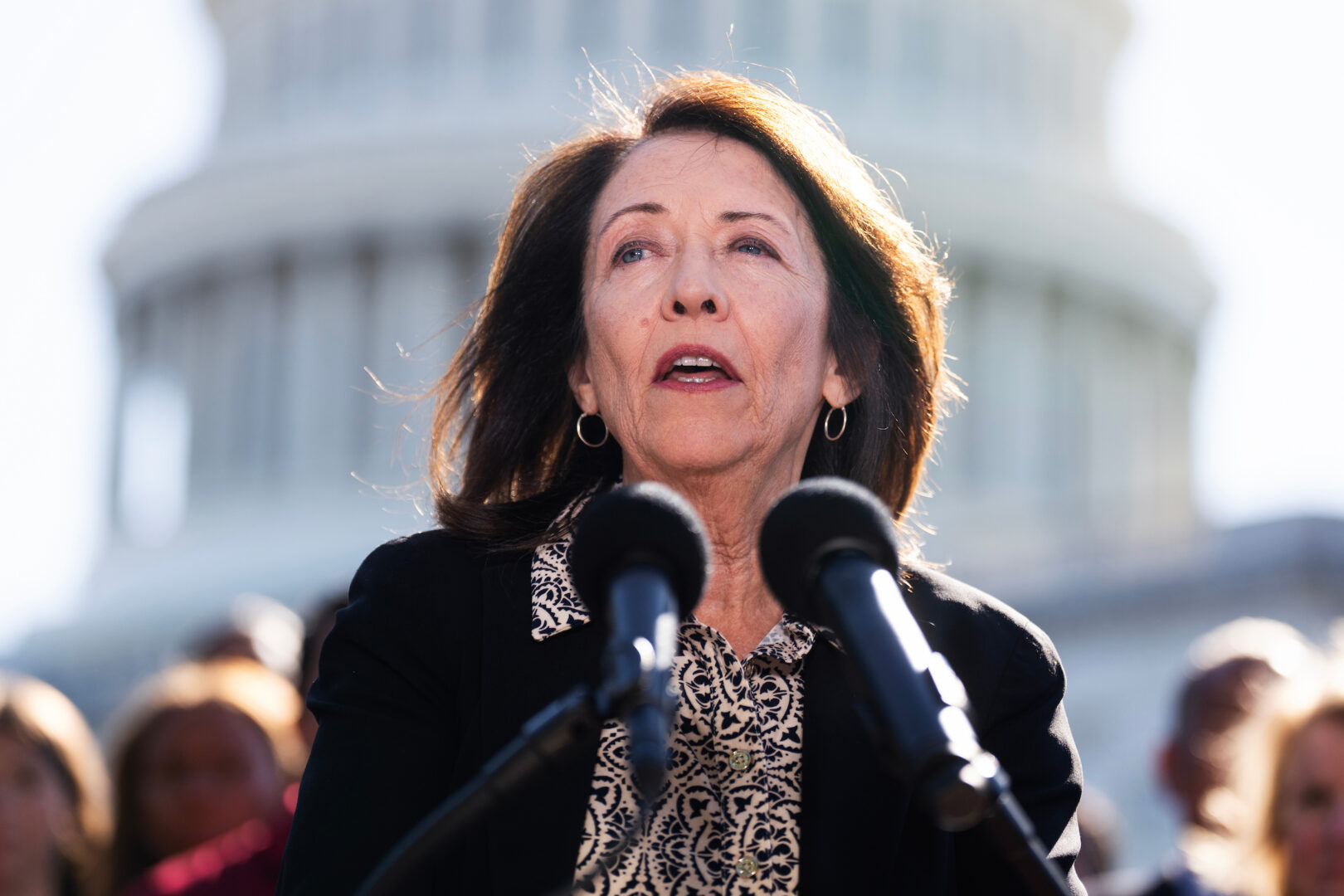
Sen. Ben Ray Luján, D-N.M., ranking member of the Commerce telecommunications and media panel, called the move “a blatant attempt to circumvent Congress’s authority.”
“Congress set the national television ownership cap at 39 percent, and only Congress — not the FCC — has the authority to change it. It is clear that Chairman Carr is once again doing President Trump’s bidding,” Luján said in a statement.
In 2004, Congress required the FCC to set the cap at 39 percent by amending the 1996 telecommunications law.
Sen. Andy Kim, D-N.J., also a member of the Commerce Committee, said the move would be overreach by the FCC, and that he hopes “Congress reasserts our role in this.”
“The last thing that the American people need is just more consolidation and less diversity, especially when it comes to information and broadcasting and news,” Kim said.
He also underlined concerns about whose interests Carr serves.
“We’ve seen Brendan Carr over and over again just … rubber stamping what the president wants him to do, rubber stamping what [the] president’s supporters and donors want him to do,” Kim said.
Justification
The vote is set to take place on Aug. 6. Republicans hold a 2-1 advantage on the five-member commission, with two seats currently vacant.
In an op-ed published by Breitbart News, Carr wrote that the percentage cap would be replaced with case-by-case review to determine whether media mergers and acquisitions are in the public interest.
He said that framework would respond to a market where streaming and cable can reach all households and that it would give local stations more power in relation to national programmers.
“Increased scale will enable broadcasters to attract the capital and advertising revenue needed to sustain and produce trusted and community-focused news and programming,” Carr wrote.
North Carolina GOP Rep. Richard Hudson, chair of the House Energy and Commerce Committee’s panel on communications and technology, praised the move in a post on X, calling it a “massive win for local news.”
“This reform will help local stations invest, grow, and keep serving our communities,” he wrote.
In March of last year, Hudson led a bipartisan letter with 64 other House lawmakers, including four Democrats, to Carr encouraging an update to the rule.
Despite his position that the cap is the responsibility of Congress, Cruz has seemed open to a change.
At the hearing he held in February, Cruz offered arguments on both sides of the cap issue, including that removing the cap could help local news to better compete and that it could lead to viewpoint consolidation.
Democrats have also been critical of the possible impact of repealing the cap.
The House Energy and Commerce Committee’s ranking member, Rep. Frank Pallone Jr., D-N.J., sent a letter to Carr in February warning the FCC against trying to lift the ownership cap.
“Documented evidence demonstrates that past deregulation efforts have actually reduced competition, localism, and diversity of viewpoints,” Pallone wrote.
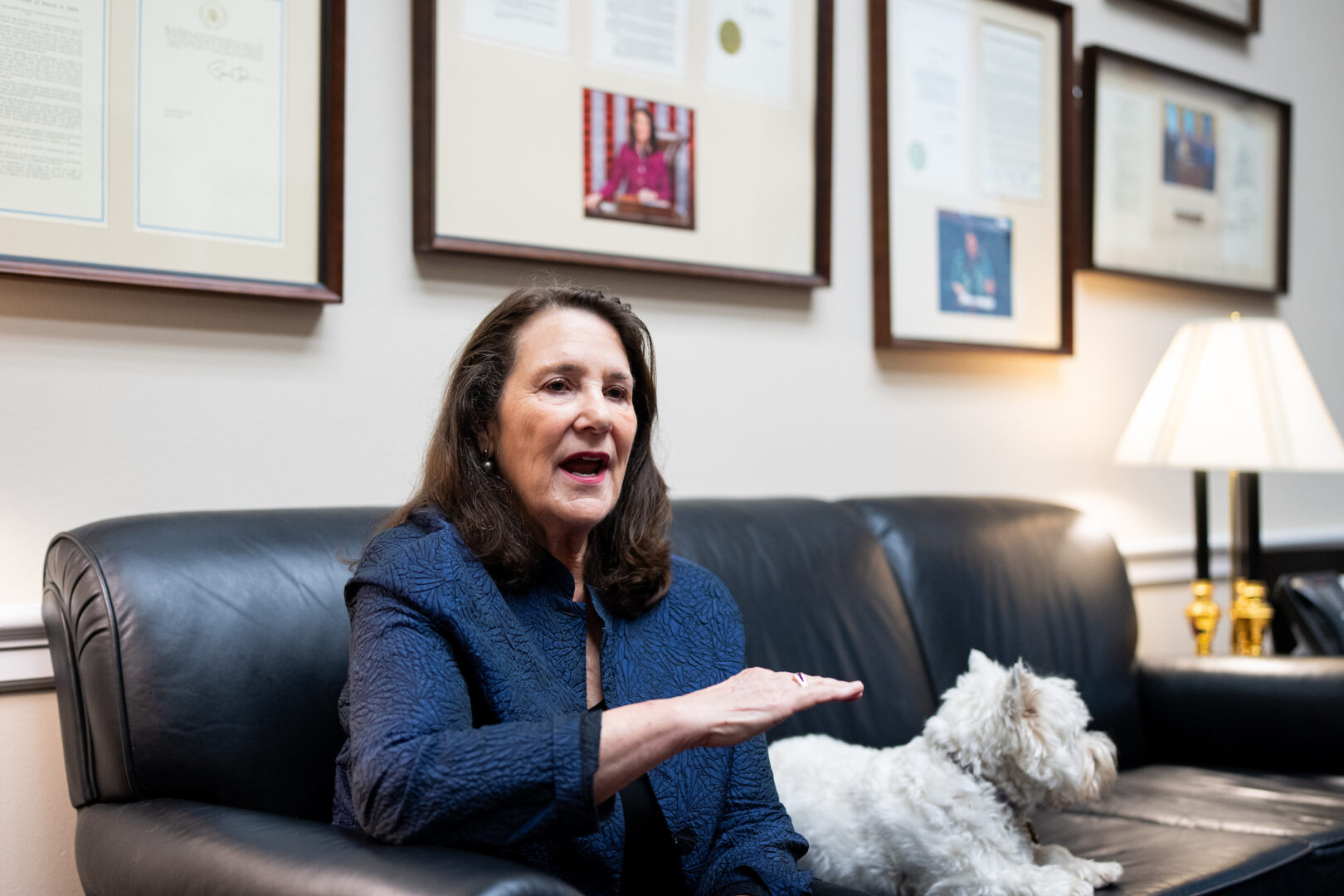
Rep. Doris Matsui, D-Calif., ranking member of the committee’s communications and technology panel, on Wednesday called Carr’s plans “political interference” and said a bill she sponsored would stop such actions. That bill would prohibit FCC license decisions on the basis of viewpoint.
“His claim that broadcasters will only be allowed to grow when they serve the ‘public interest’ is especially alarming given his record of using the FCC to pressure media companies and advance Donald Trump’s political interests,” Matsui said in a statement.
Uncertain consequences
Lifting the cap could have possible benefits for local broadcasting through increased investment, experts said, but applying a public interest standard would give significant leeway to the FCC.
Clay Calvert, a fellow with the conservative-leaning American Enterprise Institute, said that in theory, local journalism could benefit from the resources of larger ownership groups. In practice, he said that the “public interest” standard, which would likely include looking out for localism, viewpoint diversity and competition, is perhaps too amorphous, and particularly controversial as handled by Carr.
“The danger is … will the public interest simply mean whatever Donald Trump thinks is in the public interest down the line, in terms of a good or bad ownership deal?”
While conservatives generally favor deregulation, greater media consolidation could also lead to religious broadcasters being “squeezed out,” Calvert said, which could lead to uncertainty for some Republicans.
Amy Kristin Sanders, a professor of First Amendment studies at Penn State University, said that having fewer companies competing in a media market would lead to “less diversity of voices,” but that the impact for local news could be complicated.
“Certainly, there’s going to be some consolidation among station resources. Now you might call those efficiencies. Whether or not an organization chooses to reinvest savings into a news product is anyone’s guess,” she said.
Sanders also noted the FCC’s recent approval of the merger of broadcasters Nexstar and Tegna, despite ownership cap concerns. That merger is currently subject to a preliminary injunction by a federal court and was frequently brought up during the Senate Commerce hearing in February.
“It doesn’t seem like the FCC’s interested in following the rule right now anyway. So this might simply be a matter of housekeeping,” she said.
Sanders also said that any action by the FCC on the cap will likely end up in court.