How Trump’s political director came to Congress
Rep. Brian Jack is not your typical freshman — and he’s already shaping the House
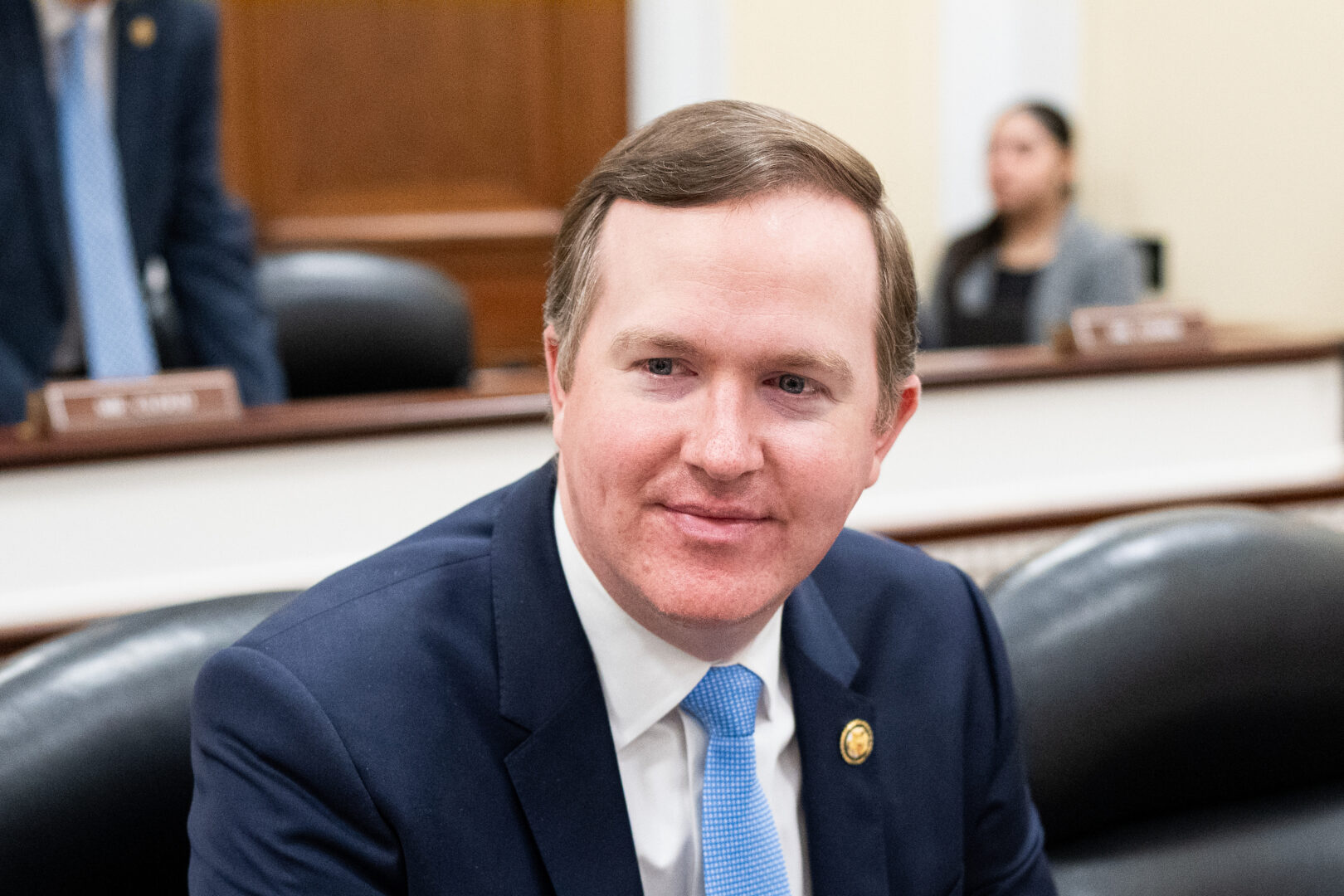
Brian Jack wanted to snag Newt Gingrich’s old House office during the 119th Congress’ freshman room lottery. But as the 28th pick, he lost his first choice and pivoted to another historic room: President Lyndon B. Johnson’s office in Longworth, which the Democrat occupied from 1939 to 1942.
A Republican from Georgia, Jack served as President Donald Trump’s White House political director and led former Speaker Kevin McCarthy’s political operation before running for office himself. He keeps a framed photo of Johnson in his desk drawer and uses it as a point of reference for where things are today.
“Many people forget he was a House member before a senator,” Jack says. “I love congressional history, and frankly, it’s a subject that is not nearly as covered as you would think.”
His own history with Congress began in 2008, when he interned for then-Rep. Lynn Westmoreland of Georgia’s 3rd District — the same seat he now holds. It gave him a glimpse of things to come.
“His wife was coming to Washington, D.C., with some friends from the district, and because the congressman had heard I did a good job with tours, he suggested that I lead an informal tour of the White House, just to add a little more color commentary,” he says. “The first time I ever set foot in the White House was with the family of Congressman Westmoreland.”
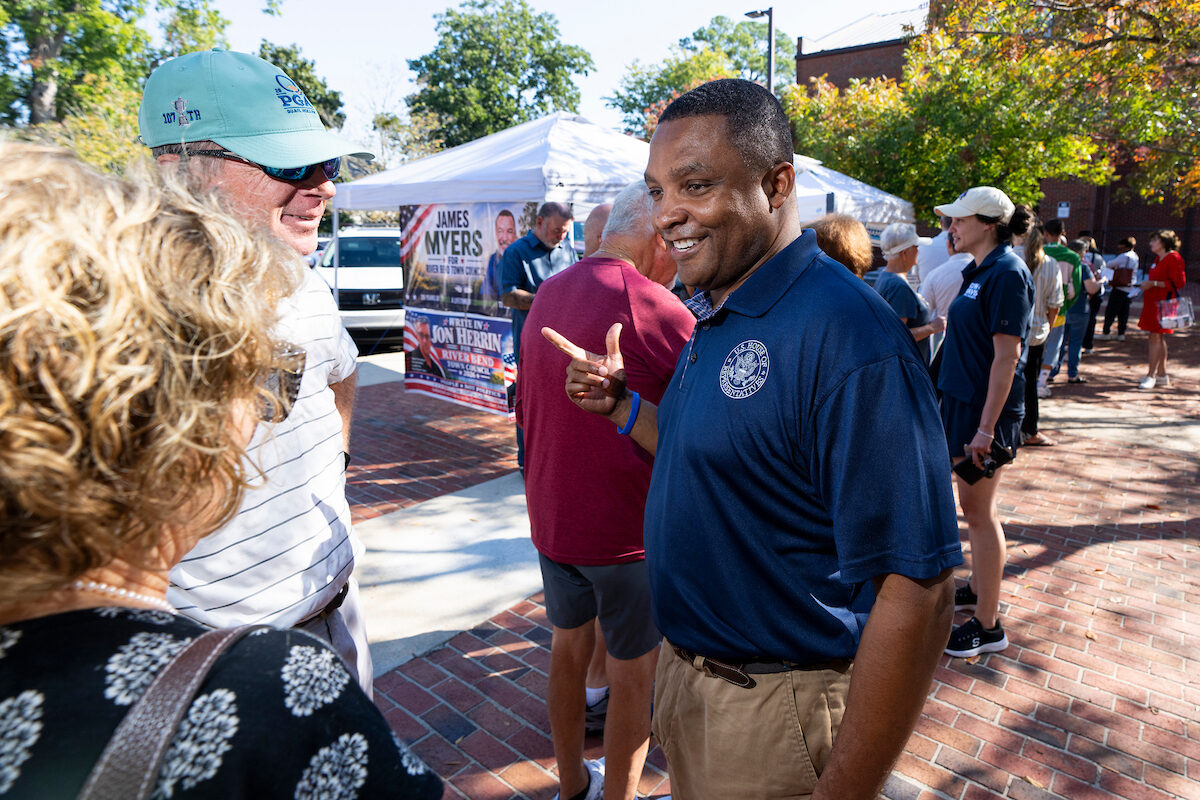
Now he’s been there more times than he can count, after working through Trump’s first term. On the Hill, he’s brought that experience with him into places often closed to freshmen. He landed a spot on the high-power Rules Committee and serves as deputy chair of the National Republican Congressional Committee, taking the lead on recruiting candidates.
Jack sat down with Roll Call this summer to talk about his path through politics and what’s next.
“We will have at least 40 new Republican members of the House next year,” he says. “So I’m very excited about that, and I’m also very determined to ensure we reelect our incumbents.”
This interview has been edited and condensed.
Q: What’s an early memory of politics for you?
A: My first year at Pepperdine University, I had an entry-level political science class, and my roommates in my dorm watched the returns of that midterm election in 2006.
Looking back, that’s definitely a moment I recall spurring an interest — seeing those House races flashing across the screen, and just being interested in the names, the personalities, the voting records, the backgrounds of all the folks who were either winning or losing that night. After that, I applied for an internship in my hometown, and my first job in politics was to be an intern for the city planner of Peachtree City, Georgia.
Q: Next you interned for Westmoreland on the Hill. What was it like coming back as a member?
A: I remember arriving via the Metro last January, and I walked up the Capitol South steps just like I did when I was an intern, and I walked through the exact doors in the Longworth House Office Building that I walked through as a bright-eyed intern 17 years before — and that was very surreal.
I’m still close with Lynn Westmoreland, and I just had barbecue with him a few weeks ago at a place called The Oink Joint in Newnan.
Q: How did you get involved in the 2016 presidential campaign? You started out with Ben Carson.
A: I reached out to one of his senior strategists, Ed Brookover, who is a legend in Republican politics. I cold emailed him, “Hey, I’d love to talk about something I think I could offer the campaign,” and it was a true blessing he replied.
I explained to Ed that I had a deep knowledge of ballot access. If you recall, in 2012, some of the presidential candidates had failed to qualify for the Virginia ballot, which was a big stumbling point for them. So I got hired under the Carson campaign and really defined a specialty.
I spent New Year’s Eve in 2015 in like three layers and an overcoat, working train stations out in suburban Chicago, trying to get signatures on a clipboard to put Ben Carson on the ballot. It reminded me of “What It Takes,” an amazing book about presidential campaigns and what a grueling march they are from inception to finish, but it’s a good reminder that no job is too small in politics. That’s as grassroots as you can get, gathering signatures.
We qualified for every ballot, and we spent the least amount of money across all the campaigns to do it — a reputation that gave me an opportunity to then quickly join the Trump campaign within a week after Dr. Carson’s ended.
Ballot access is the first step, but it’s interrelated with delegate strategy. And in 2016, the No. 1 topic of conversation that summer was: Were we going to have a contested convention in Cleveland, and would Ted Cruz and his delegates upend the nomination? My job as the national delegate director was to ensure that the nomination went to President Trump.
Q: You were still in your 20s at the time. From there you worked for the Trump team in the transition and all the way through his first term.
A: I don’t think there’s any other president in the 44 presidents before him that would have appointed me political director at the age I was able to earn that job. He has been so unbelievable at kind of rewriting those political journeys for people, and I hope to see more of that going forward, and I try to do my part, too.
Q: Now you’re deputy chairman of the NRCC.
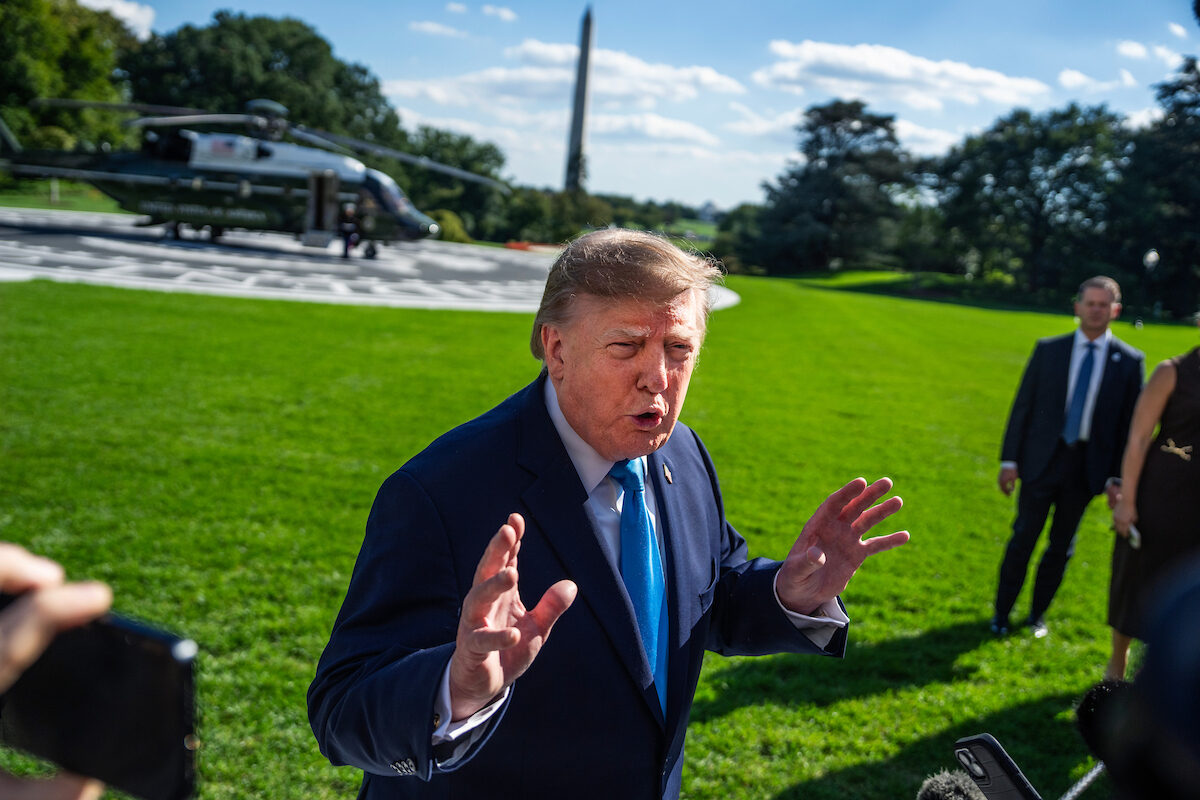
A: I have a very specific niche within the president’s orbit, which is congressional politics. Earlier this month, Speaker [Mike] Johnson, Chairman [Richard] Hudson and I met with the president to walk through congressional races — and it’s largely the same format of meetings I participated in when I was a staffer at the White House nearly 10 years ago. We sat down, and then a flurry of endorsements came out in some of the congressional races. So I’ve enjoyed working with my colleagues to help them on the political side and will continue to do so, because I will tell you, this iteration, the 2026 Republican Party apparatus, is the most organized I’ve ever seen in my career.
Q: A lot of freshmen in Congress come in cold, but you had already worked for Trump and McCarthy.
A: I was able to develop a lot of relationships with my colleagues before I came to Congress by virtue of my service with the president, and that helped me push legislation within my second month in Congress. Gary Palmer, the sponsor, and I have been close for almost a decade, and he very kindly offered to me an opportunity to be a leader on it and work the floor.
To rewind, back in 2017, President Trump used the Congressional Review Act to repeal many Obama-era regulations, so having that understanding helped me target a very specific regulation affecting water heaters manufactured in my district. It was the sixth law Trump signed in his second term, saving jobs for workers in my district.
Q: What are some other highlights so far?
A: I’m very close with my grandmother, who is 102. I’m her only grandchild, so starting for her 95th birthday, I’ve really tried to generate wonderful experiences for her, ranging from a letter from the president to a call from the speaker of the House. But for her 101st birthday, I flew her and my aunt up to Washington and brought them to the Capitol, and I presided as the speaker pro tem for a pro forma session that she got to watch. She’s probably one of the healthiest 102-year-olds in the country — and she’s batting 1,000 getting her grandchildren elected to Congress.