Aviation and wireless get it right, and create a model for the future
An alternative to Washington gridlock
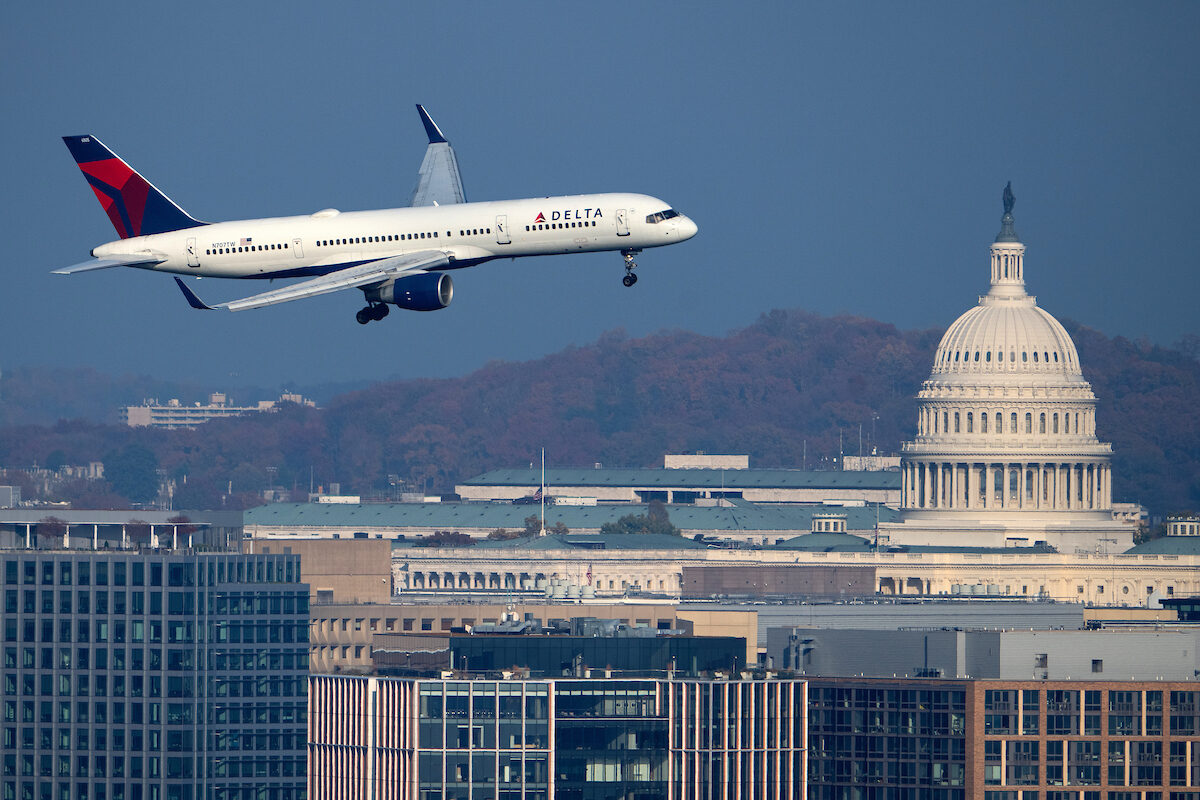
Washington is good at creating conflicts. It is far less successful at avoiding them. Five years ago, a dispute between the aviation and wireless industries became a case study in how Washington can fail. Today, these same industries have pioneered a new model for how Washington should work.
America’s competitiveness challenges are often portrayed as a binary choice between safety and innovation. Most aren’t. They are failures of process, coordination and leadership.
In 2021, a breakdown in coordination led to alarming headlines and congressional hearings over fears that new wireless signals could interfere with aircraft altimeters critical to flight safety. Flights were delayed and new wireless services stalled. Over time, the situation was resolved and today those same signals power faster, better wireless service at lower cost — and greater home broadband competition.
Today, the FCC is preparing to auction a new set of airwaves close to those same aviation frequencies, called the Upper C-Band. You might expect a rerun of the same headlines — but you’d be wrong. This time, aviation, wireless, and the administration resolved potential questions years before a single wireless tower will go live.
Here’s how.
We started by agreeing that aviation safety comes first. Our industries do not always see eye to eye, but on this issue there was no daylight.
Then we did the work — together. Instead of arguing in public, our two industries sat down with the FAA and the FCC. We shared our data. We put our best engineers in the same room. Aviation explained safety requirements and how altimeters behave in flight. Wireless explained how 5G networks are deployed and operate. Engineers challenged assumptions, tested models and ultimately reached consensus.
Would this have happened on its own? Probably not.
The Trump administration brought all stakeholders to the table and kept us there. The White House was engaged from the start and made clear it expected a solution that worked for both industries. Transportation Secretary Sean Duffy and FCC Chairman Brendan Carr led from Day 1. That kind of leadership is the reason a debate that could have dragged on for years was settled fairly and efficiently.
The result: everyone will come out ahead.
For aviation, the next generation of altimeters will be roughly 200 times better at preventing potential interference, according to the FAA. And airlines will get that safer equipment up to six times faster than they otherwise would — at no cost to carriers or passengers.
For wireless, it delivers the capacity needed to secure America’s global leadership in technological innovation. Consumer demand is already on pace to outstrip supply. Without more airwaves, Accenture warns that wireless could become a bottleneck to AI innovation, with more than a third of AI demand unserved. By resolving Upper C-Band early, these airwaves will be ready for deployment just in time to meet market needs, in 2030.
And for all of us, it means safer skies, stronger communications networks and continued American leadership in the technologies that will shape the future.
The lesson extends well beyond aviation and wireless. This breakthrough establishes a clear model for evading Washington gridlock: Bring affected industries and responsible agencies to the table early. Keep an engaged White House at the center to drive accountability. Let facts and data guide every decision. Industry working with industry. Industry working with government. Government leading from the front.
America faces no shortage of challenges in which safety, innovation and economic growth seem to pull against one another. They don’t have to. With a focus on collaboration and a determination to succeed, we can protect what matters most and move the country forward. This is how it’s supposed to work. Let’s hope it will be for years to come.
Chris Sununu is president and CEO of Airlines for America. He served as governor of New Hampshire from 2017 to 2025. Ajit Pai is president and CEO of CTIA. He served as chairman of the FCC from 2017 to 2021.