Supreme Court blocks efforts to stop mail voting this fall
One-paragraph order said government unlikely to succeed in effort to implement rule
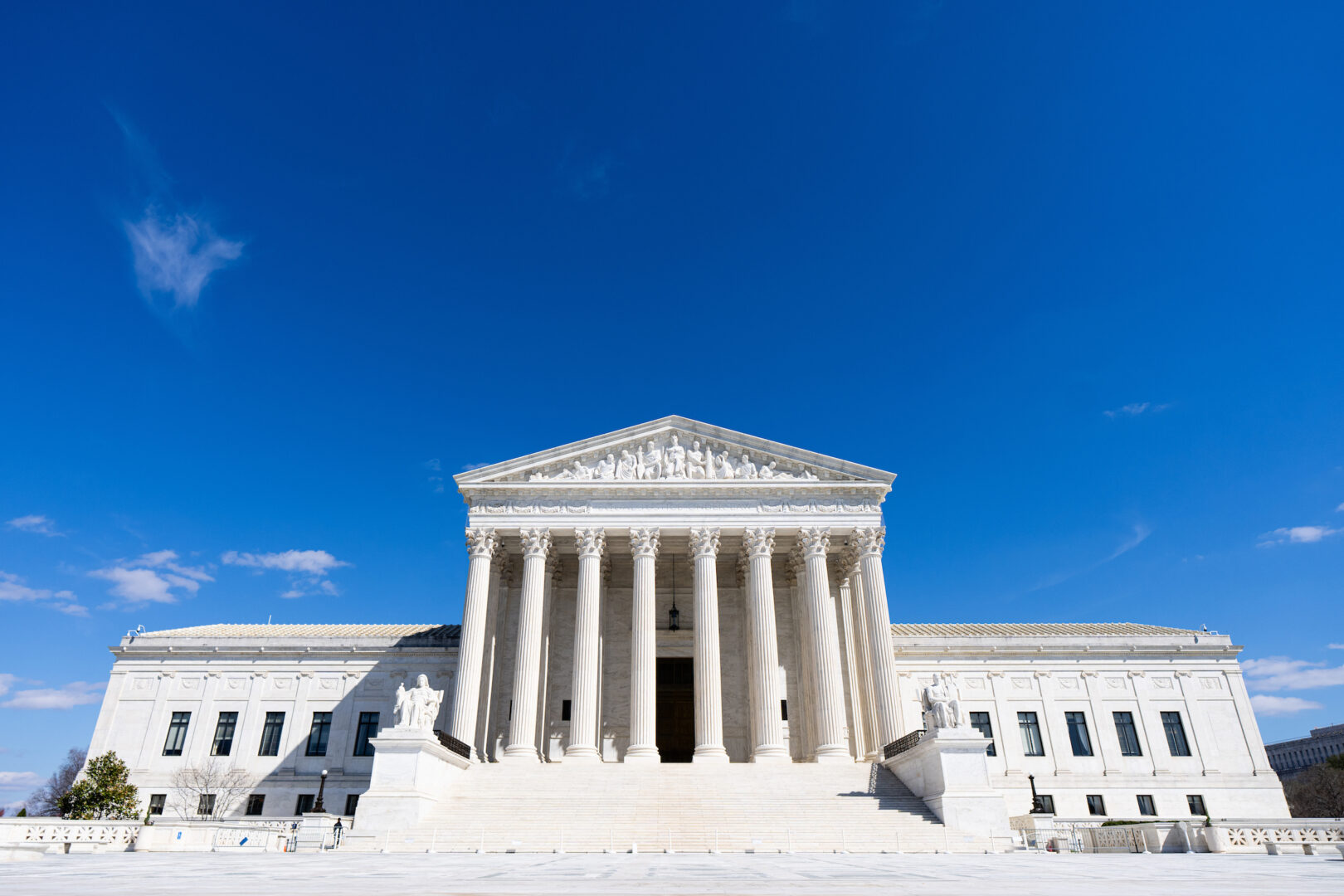
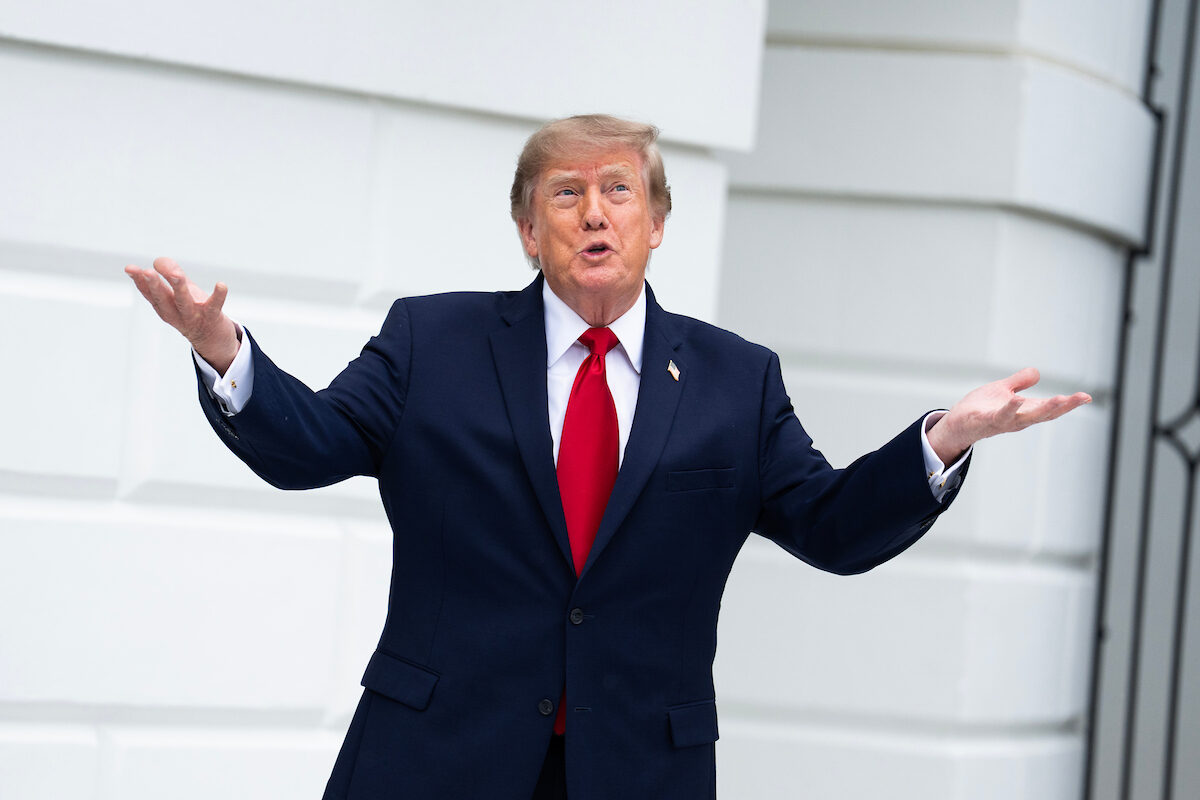
The Supreme Court Monday rejected President Donald Trump’s effort to curtail mail voting in this fall’s elections, keeping the U.S. Postal Service’s new rule restricting election mail paused.
The brief order accompanying the majority ruling Monday left in place an order from Judge Indira Talwani of the U.S. District Court for the District of Massachusetts that held the rule would violate federal law and the Constitution, which place the responsibility for the majority of administration of federal elections with state and local officials.
Monday’s ruling from the justices likely ends Trump’s effort to curtail mail voting during the 2026 midterm elections.
The unsigned, one-paragraph order said the government was unlikely to succeed in its effort to implement the rule.
“The government is unlikely to succeed on the merits of its challenge to the District Court’s preliminary injunction,” the order said. “And the equitable factors applicable for obtaining emergency relief from this Court do not favor a stay.”
Justice Brett M. Kavanaugh concurred with the result in the case but wrote separately that the rule itself may be lawful, but implementing it before the midterm elections would be unlawful as state and local officials do not have time to implement the rule.
Justices Samuel A. Alito Jr. and Clarence Thomas dissented from the decision, criticizing the majority for allowing the case to move forward. Alito, writing for himself and Thomas, argued that the law allows USPS to regulate mail and should be allowed to proceed.
The Trump administration, in the emergency application to the Supreme Court, argued that USPS has the authority to regulate what is sent in the mail, including by instituting new requirements for election ballots.
“While the States have primary authority to regulate the manner of elections, they cannot choose to use the federal mails to carry out their elections but then insist that their election-related mail is somehow exempt from the Postal Service’s rulemaking authority, conferred by Congress, to regulate envelope design and addressee information,” the application said.
The fast-moving court fight stems from Trump’s March executive order that sought to sharply curtail mail-based absentee voting — which for years has been a bogeyman of his evidence-free claims of election fraud.
That executive order cited an “unavoidable duty” to increase security for election mail, and launched a multi-prong effort to restrict use of mail voting. That included directing the Department of Homeland Security and other government officials to create lists of eligible citizen voters and distribute those lists to the states.
The DHS portion of the order is part of the ongoing litigation over the executive order, and the administration has a different pending application before the justices over the creation of that list.
The order also directed USPS to adopt a new rule restricting the delivery of election mail to only the people who the states identified as eligible voters.
The Trump order also sought to have the Justice Department investigate officials who did not comply and pull funding from localities that did not do so.
The order built on years of unsupported claims by Trump and his allies that mail voting had led to voter fraud, including Trump’s loss in the 2020 election.
Several states, led by California, challenged the order in Massachusetts federal court, arguing that it exceeded Trump’s authority under the Constitution.
The other states included Arizona, Colorado, Connecticut, Delaware, Illinois, Maine, Maryland, Massachusetts, Michigan, Minnesota, Nevada, New Jersey, New Mexico, New York, North Carolina, Oregon, Pennsylvania, Rhode Island, Vermont, Virginia, Washington and Wisconsin. The District of Columbia was also part of the challenge.
The states argued that the changes would be impossible to implement, step on state authority over elections, and any error by federal officials would unconstitutionally disenfranchise lawful voters. They, along with civil rights groups, successfully convinced Talwani that the USPS order would violate federal law.
In filings at the Supreme Court, the challengers defended Talwani’s reasoning, and argued that “millions of voters would be unable to vote by mail and some would not be able to vote at all.”
“USPS’ unprecedented experiment with our Nation’s most cherished franchise — the right to vote — is unlawful,” the response said.
The issue in Monday’s order has already been before the justices once last month. The justices there held that lower court blocks of the executive order came too early in the process, and blocked lawful efforts by the Trump administration.
While the case was pending before the justices, a second district court judge in Washington found the USPS order likely violated the law and ordered it paused.
State and local election officials have also weighed in on the case, arguing that it would not be possible to lawfully implement the changes required by the order before the midterm elections.