Who would this independent caucus with? ‘Everybody’
Senate hopeful Dan Osborn argues he would cut a path for candidates like himself
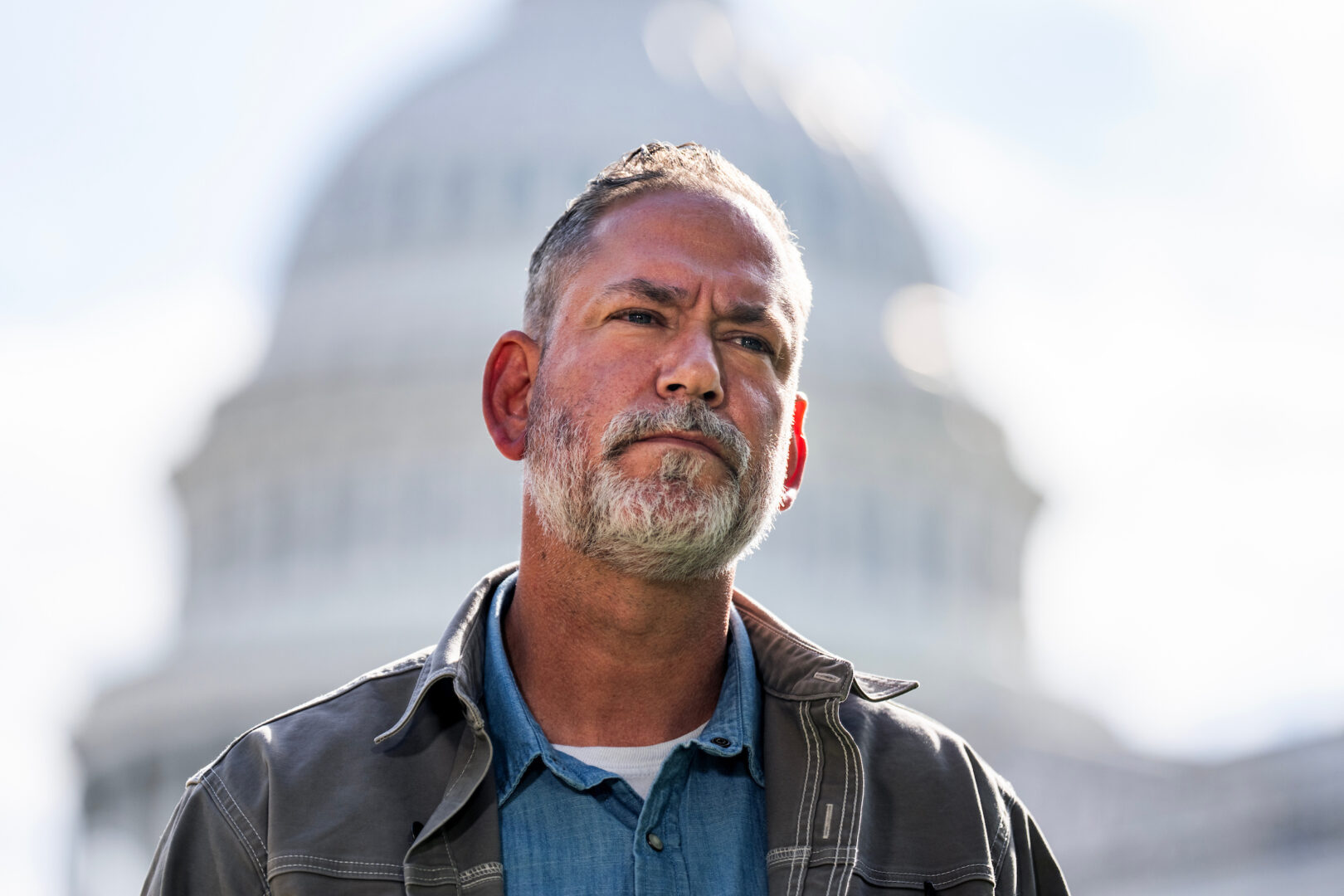
Three independent candidates made the trek to Capitol Hill this week to make a point about AI and data centers, calling on Congress to rein in a “real threat.” They also made a case for another reality — their own.
“We’re all running outside of the corrupt two-party system,” said Dan Osborn, an Omaha mechanic and union leader running for Senate in Nebraska.
In town for the Independent National Convention, Osborn, South Dakota Senate candidate Brian Bengs and Alaska House hopeful Bill Hill face an uphill task — convincing skeptics that independent politicians can, in fact, exist outside the established machinery of Democrats and Republicans in Washington.
Osborn has drawn support from Nebraska Democrats, including the party’s Senate nominee, who dropped out. But he’s trying to shed suggestions that he is merely a “Democrat in disguise.”
Speaking to a small knot of reporters Thursday outside the Capitol, he said “hyperpartisanship” was exactly what was blocking the action. “American people from all parties want strong, clear regulation of artificial intelligence and data centers.”
“It’s unacceptable that our representatives feel so comfortable giving up and going home every few weeks while they collect a paycheck from our tax dollars,” he added.
Osborn is making his second Senate bid in deep-red Nebraska, this time challenging Republican incumbent Pete Ricketts, a former two-term governor with enormous personal wealth and a powerful reach in state politics. The independent overperformed in his 2024 race against Sen. Deb Fischer, which drew national attention and prompted big spending from both sides, turning the state into a late-breaking battleground. Osborn wound up losing by 7 points, a margin closer than most observers had expected.
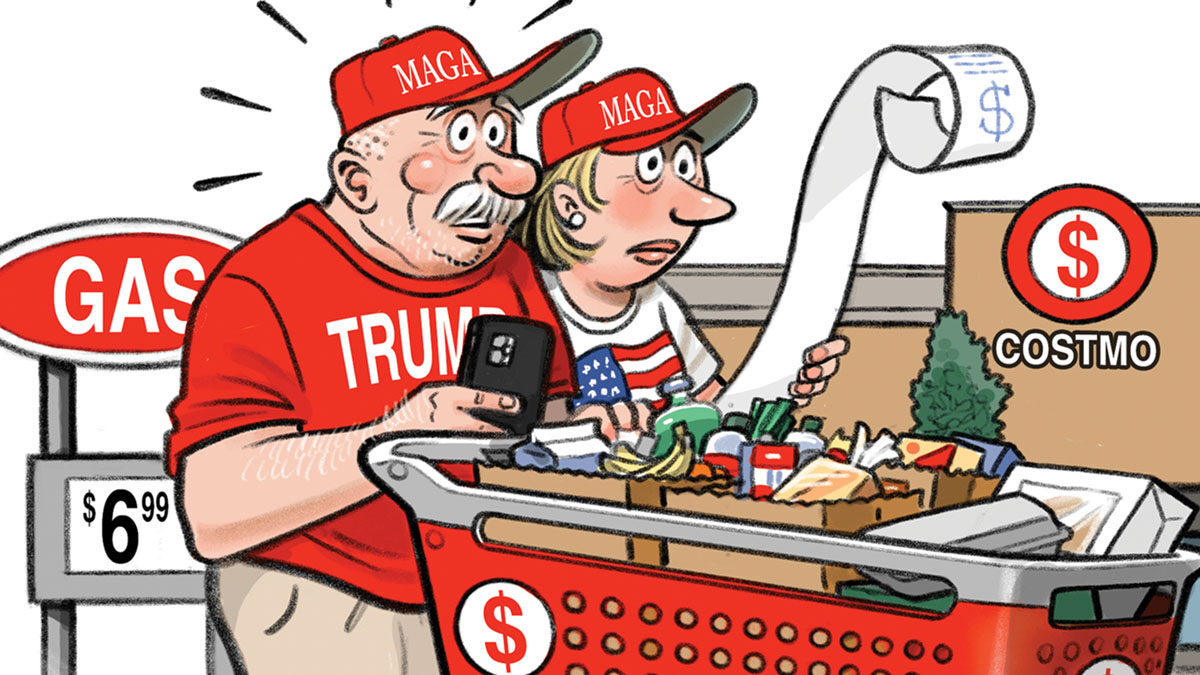
This year, Republicans are again reportedly spending to defend a seat in a state President Donald Trump won by double digits as the political climate sours against the GOP amid rising prices.
So who would Osborn look to if he landed in the Senate? “I’m going to caucus with everybody,” he pledged Thursday.
Usually, independents in Congress declare an affinity with one party or the other, caucusing with either Democrats or Republicans and going through a standard internal process for obtaining things such as committee assignments.
Right now, there are two independents serving in the Senate, Angus King of Maine and Bernie Sanders of Vermont, and both of them caucus with Democrats.
But those norms have been tested in the past. When former Democratic Sen. Kyrsten Sinema switched her affiliation to independent in 2022, for example, Democrats allowed her to keep her committee spots, though she didn’t technically caucus with them.
Asked about the realities of governing without those attachments if he ends up in the Senate, Osborn said, “People are going to need my vote, right?”
“Since we’re dealing in hypotheticals, the Big Beautiful Bill Act was passed by a tie-breaker by JD Vance. If I would have beat Deb Fischer in 2024, I would have been the tie-breaker. That’s leverage, right?” he said. “That’s going and knocking on doors and meeting majority leaders and minority leaders, and trying to get stuff done for the American people, for Nebraskans. That’s what I plan on doing.”
Bengs, who’s running as an independent against GOP Sen. Mike Rounds in South Dakota, similarly said, “I cannot, in good faith, go to the Senate … and say, ‘Ha, ha, ha, I fooled you. I’m going to [be] either Team Red or Team Blue.’ I plan to caucus with Dan in an independent caucus.”
Bengs was the Democratic Senate nominee in 2022 against John Thune, now the GOP leader.
In the middle of the news conference, a man who later said he was visiting from Omaha interrupted to yell at Osborn. He cited audio being spread by Republican groups that seems to capture Osborn saying: “Billy Bob in f***ing Red Cloud, Nebraska, who lives next door to the f***ing Trump store as you pull into town and is waving the Trump flag, all he knows is he’s on the winning team. It’s really that simple.”
The man yelled, “How about the foul language you use toward” Nebraskans, before getting into a brief back-and-forth with Bengs, who called for “the civility of politics.”
Osborn denied denigrating Nebraskans but didn’t deny swearing on the tape: “I cuss. I’m a sailor. What can I say?”
“We’re angry. You’re obviously angry. Everybody’s angry. My family, we’ve been treading water right now, and our costs are doing this, and our paychecks are doing this,” Osborn said, gesturing for emphasis.
Bengs later said, “This demonstrates the problem. The hyperpartisanship in this country is the problem.”
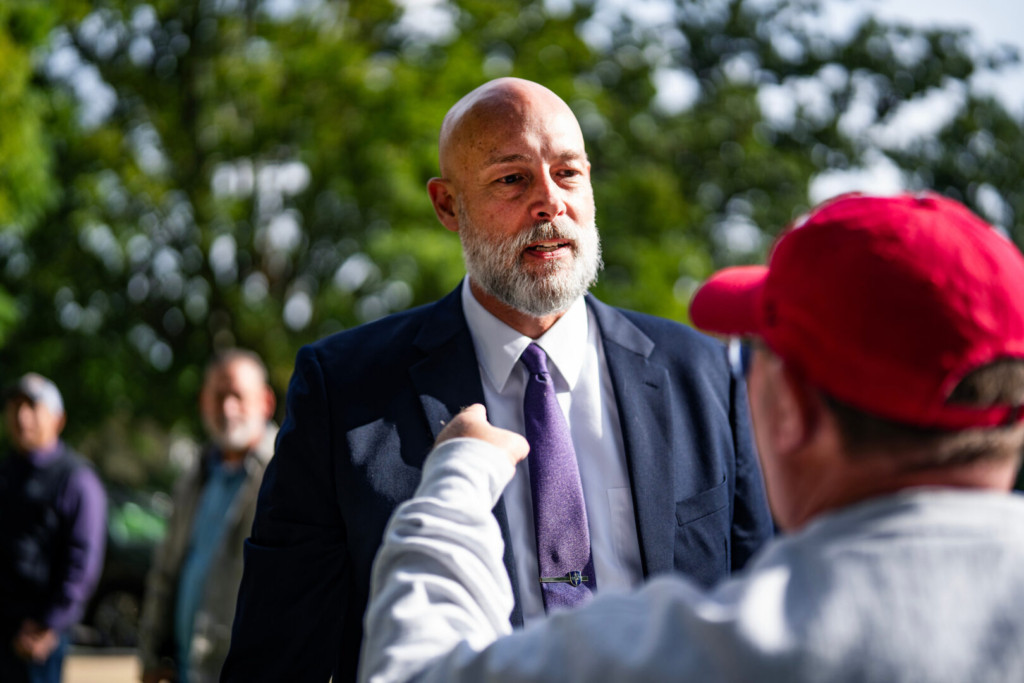
“This is what we’re running to have” as independents, Bengs said. “It’s easier to have that conversation when you say, ‘Team Red, Team Blue — you both have good ideas. Let’s talk about them, as opposed to just calling each other names.’”
Like in the Nebraska Senate race, the Democratic nominee in South Dakota also dropped out, though he did not endorse Bengs.
Osborn, Bengs and Hill all pointed to partisanship and money as reasons why Congress might be slow-walking legislation to erect guardrails around AI.
The House left last week with no plans to return until after the November elections, and the Senate is scheduled to leave next week. A comprehensive AI measure is currently not on the docket as bipartisan legislation has stalled.
“We need the Senate, we need the House to stay here. Don’t go on another taxpayer-funded vacation,” said Hill, a commercial fisherman challenging GOP Rep. Nick Begich for Alaska’s at-large district.
Osborn said it would be a mistake for Senate Democrats to block a bill known as the Ratepayer Protection Act, which the chamber is expected to vote on next week. It amounts to lawmakers’ first real stab at addressing voter anger over data centers.
The House-passed proposal, which Ohio Republican Jon Husted is sponsoring in the Senate, would require state utility commissions to evaluate rules to force data center operators who need massive amounts of power to pay for the cost of infrastructure upgrades, such as new power generation or transmission lines.
Democrats have criticized it as insufficient because the new standards would be voluntary.
AI is “moving at the speed of light here, and they’re warning us [of] human extinction-level events,” Osborn said. “And so the fact that you’re going home right now, I got a problem with that.”
Daniela Altimari and David Jordan contributed to this report.