Lame-duck effort brewing to protect NIH grantmaking
Some Republican members who want more agency oversight could be tough to convince
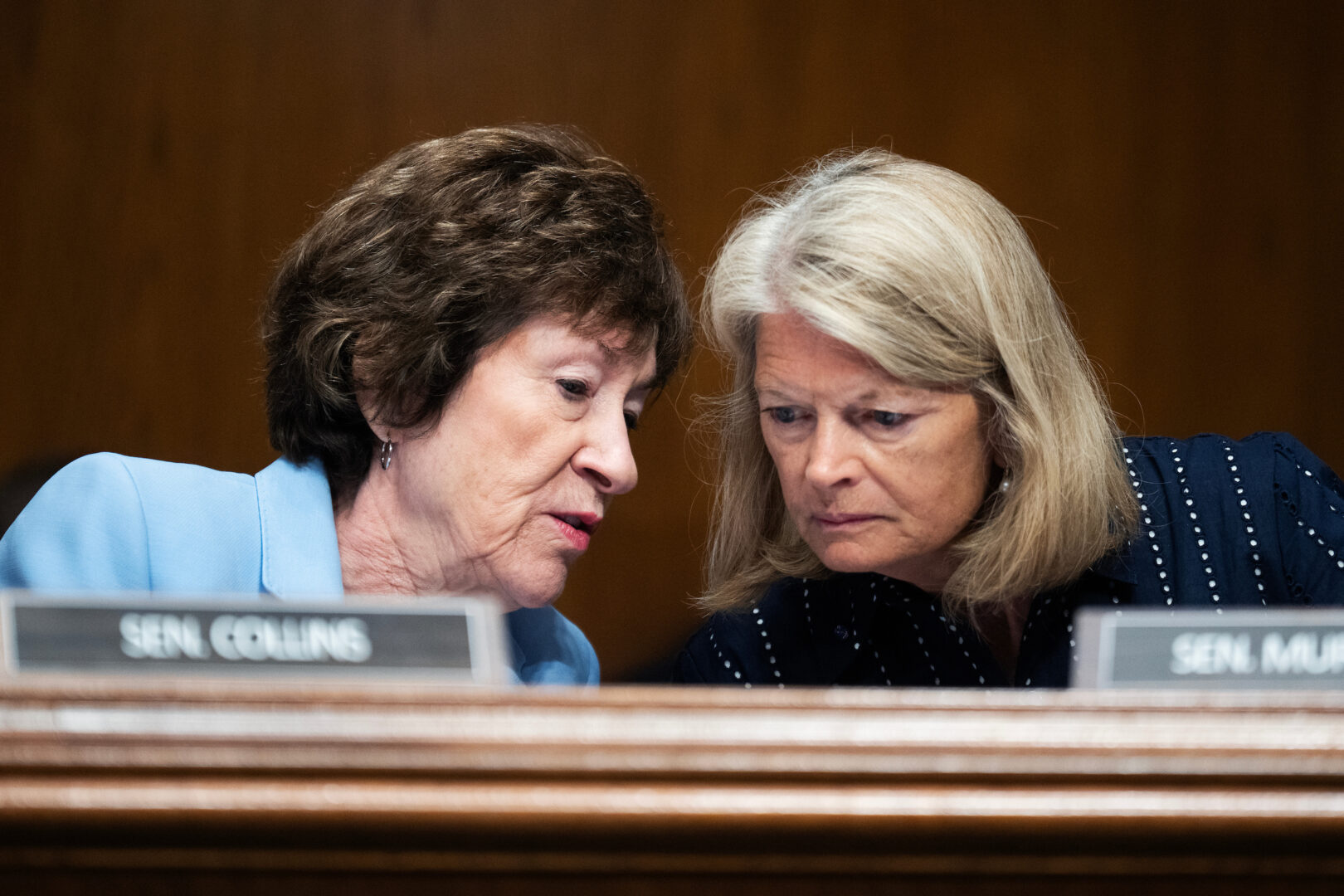
Senate appropriators from both parties are workshopping language that could be added to a spending bill to prevent the White House from exerting political influence on medical research grants.
The provision would go into the Labor-HHS-Education appropriations bill that lawmakers hope to pass before stopgap funding expires Dec. 11. The senators, led by Appropriations Chair Susan Collins, R-Maine, and ranking member Patty Murray, D-Wash., say that guardrails are needed around National Institutes of Health grantmaking in the wake of actions by the Trump administration to wield influence over medical research.
Collins noted that she and others were able to include such language in the continuing resolution and want to do the same going forward.
Sen. Lisa Murkowski, R-Alaska, chair of the Interior-Environment Appropriations Subcommittee, said she is working on similar language for that subcommittee’s bill, which would shield environmental research grants from political influence.
“Where there’s opportunities to put certain guardrails in our spending bills — there are tools, there are mechanisms — we have to be diligent to it,” Murkowski said.
The administration this month had considered issuing an executive order or using other means to give the Office of Management and Budget discretion over the NIH grants but backed off after backlash from lawmakers and others, who said the effort was contrary to congressional intent that grant selection be done through scientific, not political, review.
The OMB in May had proposed a Uniform Guidance rule that would require political appointees to review all discretionary grants to ensure they aligned with presidential priorities. Congress delayed the proposal as part of the continuing resolution until mid-December.
That attempt followed President Donald Trump signing an executive order in August 2025 titled “Improving Oversight of Federal Grantmaking,” which directed agency heads to appoint senior political officials to review discretionary grants and ensure alignment with administration priorities.
The administration continues to exert control over spending that irks some lawmakers. Last week it rescinded $810 million in funding, including money for the Agency for Healthcare Research and Quality.
Sen. Bill Cassidy, who chairs the Senate Health, Education, Labor and Pensions Committee, said Congress needs to stay vigilant and push back on the Trump administration’s efforts in this area. He added that he’d like to take a look at the language his appropriations colleagues are prepping.
“I mean, how do you put a lockbox around anything when there’s always somebody who’ll find an inventive solution?” Cassidy said when asked what Congress could do.
Though top appropriators are behind the effort, other Republican lawmakers may be difficult to win over. Labor-HHS-Education Appropriations Subcommittee member John Kennedy, R-La., said that he is willing to “fight” with his fellow appropriators to make sure such guardrails aren’t included in a funding bill.
“I don’t want to pass bills, appropriation bills, and then have them go to bureaucrats who can do any damn thing they want to do,” Kennedy said of the staff at agencies like NIH, adding they “ought to have supervision.”
Lawmakers were still discussing legislative options and are unlikely to resolve the issue before the pre-midterm election congressional recess. Committee staffers are drafting language for when senators return to Washington in November.
“The action is going to happen in the lame duck,” Sen. Tammy Baldwin, D-Wis., ranking Democrat on the Labor-HHS-Education Appropriations Subcommittee, said of the coming fight over NIH grantmaking.