Supreme Court wipes out lower court ruling against Texas redistricting
Brief order points to a decision justices made in December that allowed the new map
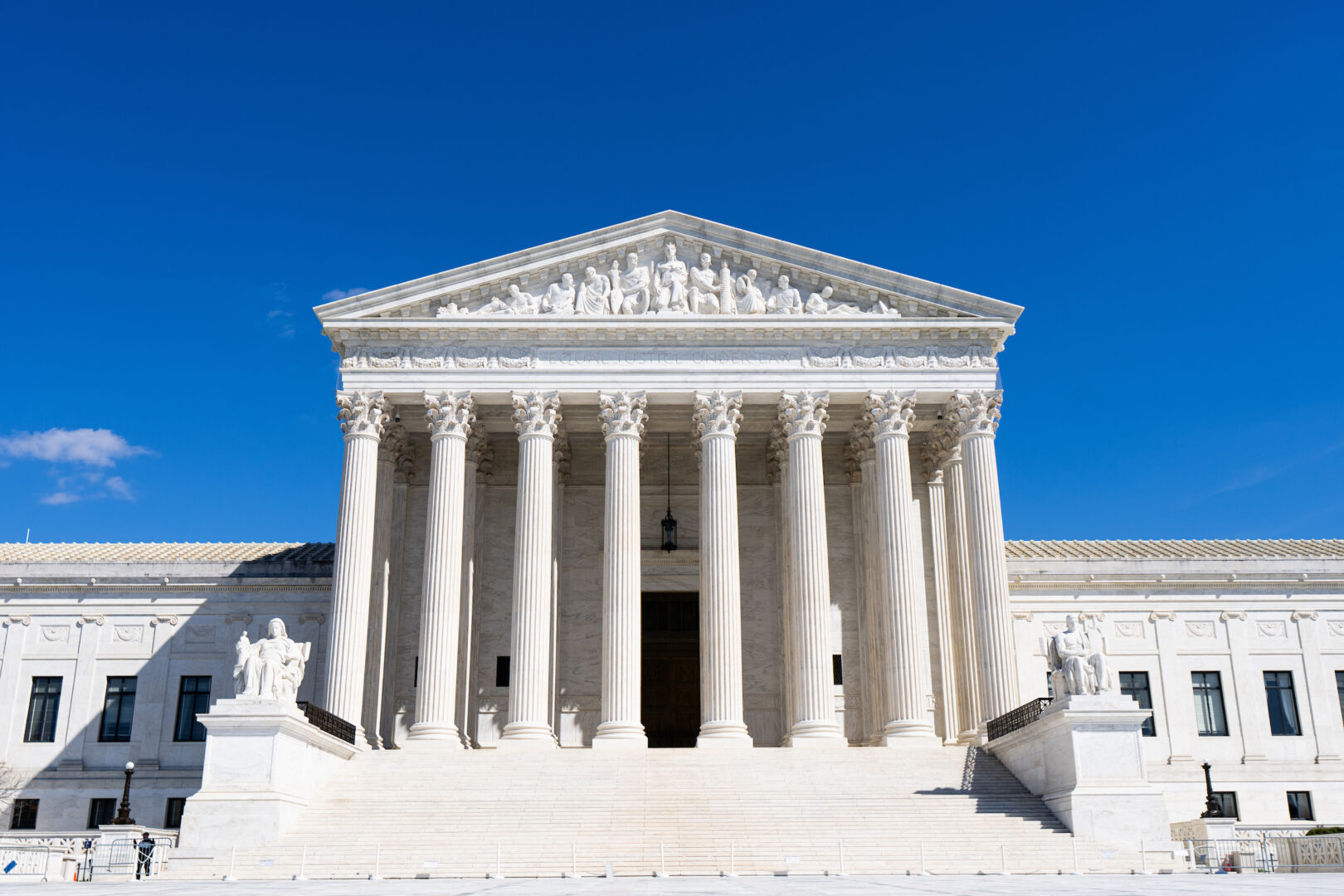
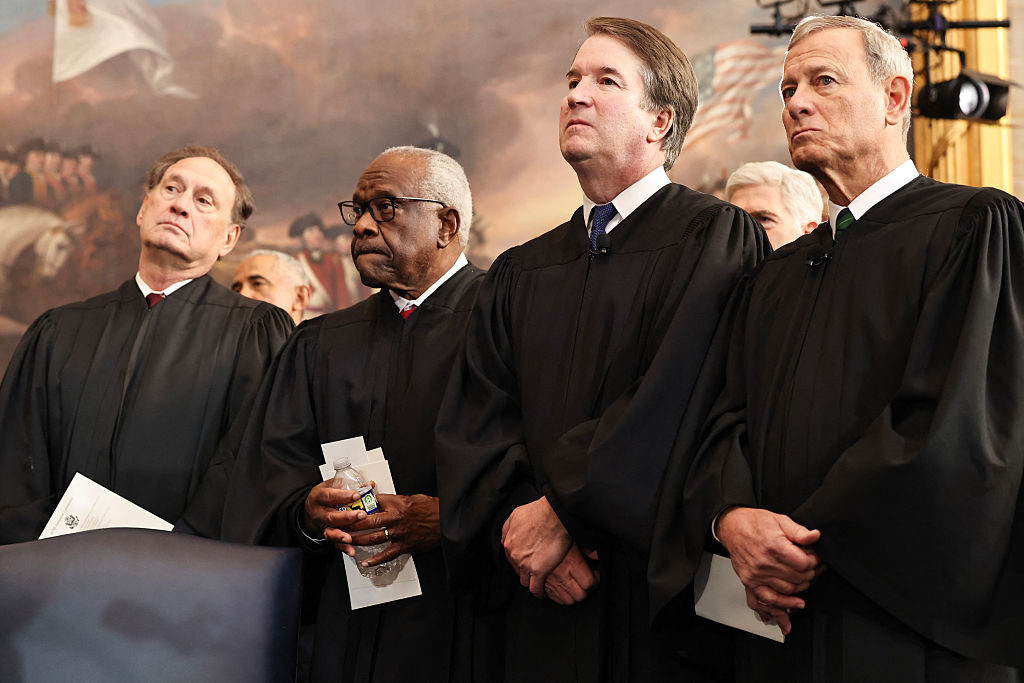
The Supreme Court on Monday summarily reversed a lower court ruling that found Texas’ new congressional map was likely an unconstitutional racial gerrymander, pointing to the high court’s unsigned order last year allowing the map to go into effect.
Monday’s one-paragraph order cements a new GOP-drawn congressional map for the Lone Star State targeting five House seats currently held by Democrats. The order noted that the court’s three Democratic appointees dissented from the decision, but none wrote separately.
The Texas redistricting effort last summer, started at the urging of President Donald Trump, touched off a nationwide mid-decade push to redraw congressional maps. States such as California, Virginia and Missouri have all kicked off partisan redistricting efforts, and Florida could follow suit in the coming weeks.
Voters challenged the Texas map, arguing that the district lines were drawn with a racial motive. A three-judge panel agreed in November, finding that the state likely unconstitutionally used race in redrawing the district lines.
The Supreme Court paused that three-judge panel ruling in December, when the court’s conservative majority allowed Texas to move forward with the new map despite the lower court order.
In an unsigned order at that time, the justices said the three-judge panel that originally decided the case made several errors, including by deciding the case so close to Texas’ primaries.
The lower court “failed to honor the presumption of legislative good faith by construing ambiguous direct and circumstantial evidence against the legislature,” the December order said.
In that order, Justice Elena Kagan dissented, writing that the majority allowed the state to group its voters based on race.
“And this Court’s stay ensures that many Texas citizens, for no good reason, will be placed in electoral districts because of their race. And that result, as this Court has pronounced year in and year out, is a violation of the Constitution,” Kagan wrote.
Monday’s order also took the unusual step of citing that emergency docket decision as a reason to reverse a case without briefing or oral argument.
The case is Greg Abbott et al. v. League of United Latin American Citizens et al.