As RFK’s lifestyle seeps into policy, some fret over long-term effect
Public health experts see his policy efforts reflecting lifestyle choices rather than science
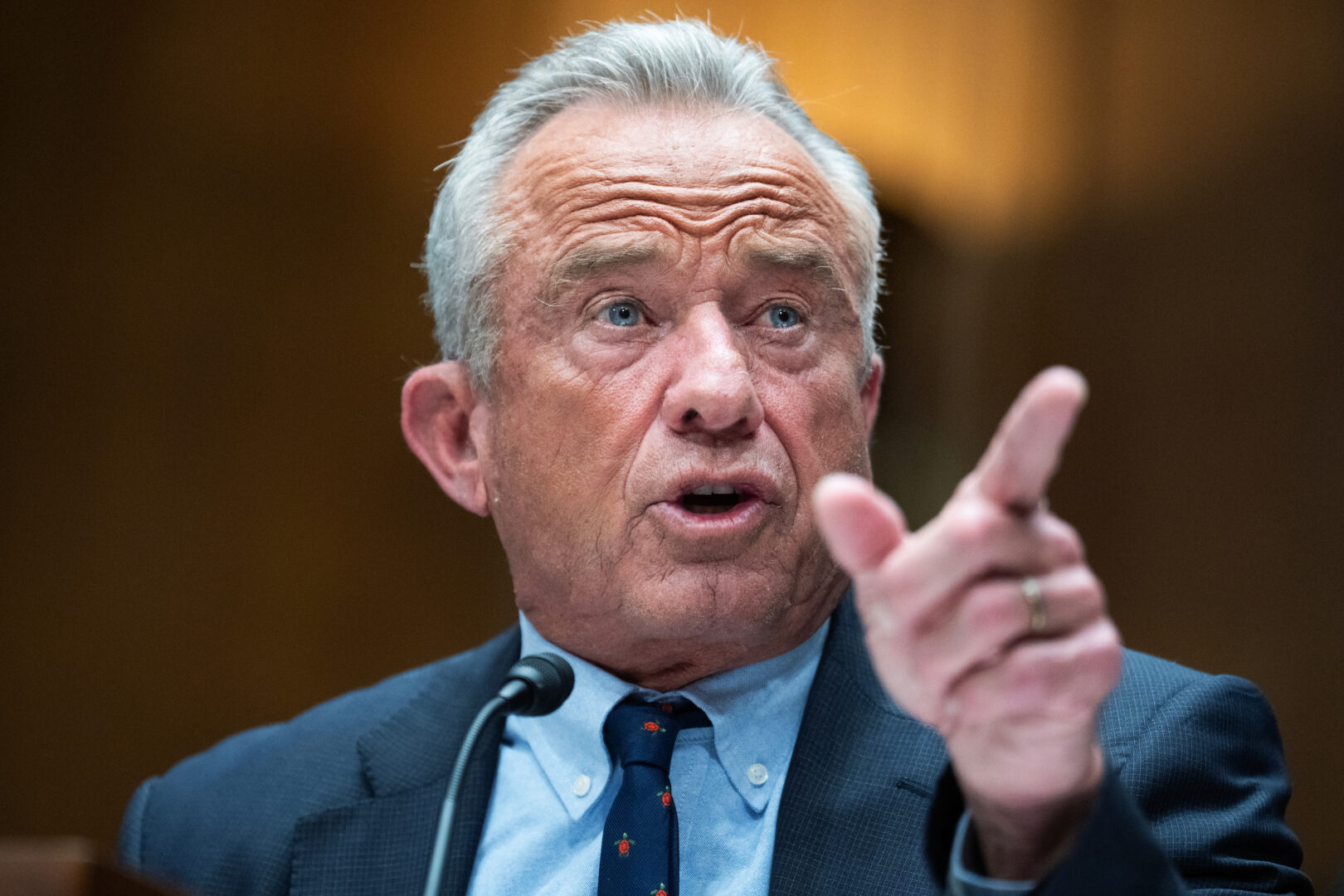
When Health and Human Services Secretary Robert F. Kennedy Jr. took the helm of the department in February 2025, he pledged to remove special interests from HHS and chart a new path focused on “gold-standard science.”
He made his core policy interests clear in November 2024, even before he was President Donald Trump’s pick for the job, accusing the federal government of suppressing “psychedelics, peptides, stem cells, raw milk, hyperbaric therapies, chelating compounds, ivermectin, hydroxychloroquine, vitamins, clean foods, sunshine, exercise, nutraceuticals and anything else that advances human health and can’t be patented by Pharma.”
But many public health experts note that the secretary’s policymaking efforts tend to reflect his personal lifestyle choices rather than settled science. That is leading to worries that his style of leadership is steering the department in a way that could set a dangerous precedent.
As an example, they point to his support for peptides, short chains of amino acids that have become popular as injections that promise a variety of benefits, such as antiaging, gut health and enhanced athletic performance.
Kennedy has pushed the FDA to ease restrictions on them, telling podcaster Joe Rogan that he once found them helpful in treating a back injury.
“My hope is that they’re going to get moved to a place where people have access from ethical suppliers,” Kennedy said.
Last month, Kennedy directed the FDA’s Pharmacy Compounding Advisory Committee to convene for a discussion about moving seven peptides to a list of drugs that can be safely compounded. The Biden administration had placed restrictions on 20 peptides, classifying them as not safe for compounding.
“He doesn’t have a scientific approach to deciding what would be beneficial,” said Peter Lurie, president of the Center for Science in the Public Interest. “And instead, he basically says, ‘Why can’t you all be more like me?’ Part of that is that it then puts the responsibility back on the consumer.”
Kennedy has also touted the new Dietary Guidelines for Americans, which place a greater focus on protein and dairy intake than what was previously recommended. While many have applauded the emphasis on whole foods and warnings against processed foods, some nutrition experts find the recommendations contradictory.
The guidelines maintain a long-held recommendation of limiting saturated fat to 10 percent of daily caloric intake, yet putting foods heavy in saturated fat like whole milk and red meat at the top of the food pyramid sends a mixed signal, they say.
Kennedy has publicly touted his own affinity for red meat and dairy, saying earlier this year at CattleCon, an industry convention, that he eats red meat “usually twice a day,” according to The New York Times.
HHS did not return a request for comment for this report.
Video game hero?
Beyond policymaking, Kennedy has taken to social media to tout his views, appearing in a video posted to his official HHS account alongside Kid Rock, the two drinking milk together in a hot tub.
Sen. Maggie Hassan, D-N.H., pressed Kennedy on the video during his appearance before the Senate Finance Committee last month to defend the president’s budget request.
Hassan highlighted other videos on HHS official accounts, including one depicting Kennedy as a wrestler and as a video game hero.
“It appears to me that you’re focused on promoting yourself over everyone else, promoting your own theories over actual scientific inquiry, promoting your own unqualified lackeys over doctors and scientists, and promoting images where you think you look cool rather than messages that will help people live healthier lives,” Hassan said. “It is always about you.”
Kennedy replied that he wasn’t aware that some of those videos had been posted.
But the HHS secretary also has plenty of supporters, especially among the Make America Healthy Again movement.
Jennifer Galardi, a senior policy analyst at the Heritage Foundation, pushed back on the notion that Kennedy’s agenda is celebrity-driven. She said the initiatives he’s advocated for are reflective of how culture has changed over time and his policies have encouraged people to focus on prevention and healthier eating habits.
“I love to see, personally, an HHS that walks the talk,” she said. “That epitomizes health from the beginning, as opposed to, ‘Well, we’re just going to give you a pill.’”
She added that his presence on social media is meant to be an approachable way to spread the word about his health initiatives in an era when people’s attention spans are shortening.
“I think he’s got a good mix of real, honest to goodness, boots on the ground, organic content,” she said. “And then some of the more high, polished, produced stuff.”
‘Sounds great’
Still, others are concerned that this trend of elevating celebrities has seeped its way into the agencies and is having a harmful effect on policy.
In April, President Donald Trump signed an executive order directing federal agencies to expedite research into the psychedelic treatment ibogaine, which has shown benefits in treating post traumatic stress disorder. Trump was joined at the signing by Rogan, who had asked him to take steps to expedite access. Rogan told the audience that he had personally texted Trump with information about ibogaine’s effect on treating opioid addiction.
“I sent him that information,” Rogan said. “The text message came back, ‘Sounds great. Do you want FDA approval? Let’s do it.’ It was literally that quick.”
Reshma Ramachandran, an assistant professor of medicine at Yale University, said in an interview that the notion that a podcast host could influence the drugs reviewed at FDA undermines the rigorous safety and efficacy standards set by the agency.
“That really was very stunning, because you, the FDA commissioner, should be the one above all else that says, ‘We want to make sure that we, as an agency and as a regulatory agency, behave as a regulator, and that we require a certain level of evidence before we make any sort of approval decision,’” she said. The FDA commissioner at the time of Trump’s executive order on psychedelics was Marty Makary, who left the position this week amid internal disputes.
Ramachandran harkened back to the first Trump administration, which at the time faced backlash for getting ahead of the FDA on the timeline for the COVID-19 vaccine. Then-FDA Commissioner Stephen Hahn had clashed with the White House, which had rushed the agency to finish the COVID-19 vaccine authorization before properly reviewing it.
Ramachandran said that now, the FDA has no such reputation as an independent regulator.
“At least what has occurred, seemingly to me,” she said, “is that there’s been an allowance of politics to draw the FDA agenda.”