DCCC kicks off rural engagement program in North Carolina
Democrats target Rep. Chuck Edwards in North Carolina as part of rural outreach program
Democrats say the path to winning the House majority wends through the backroads and farmlands of rural America.
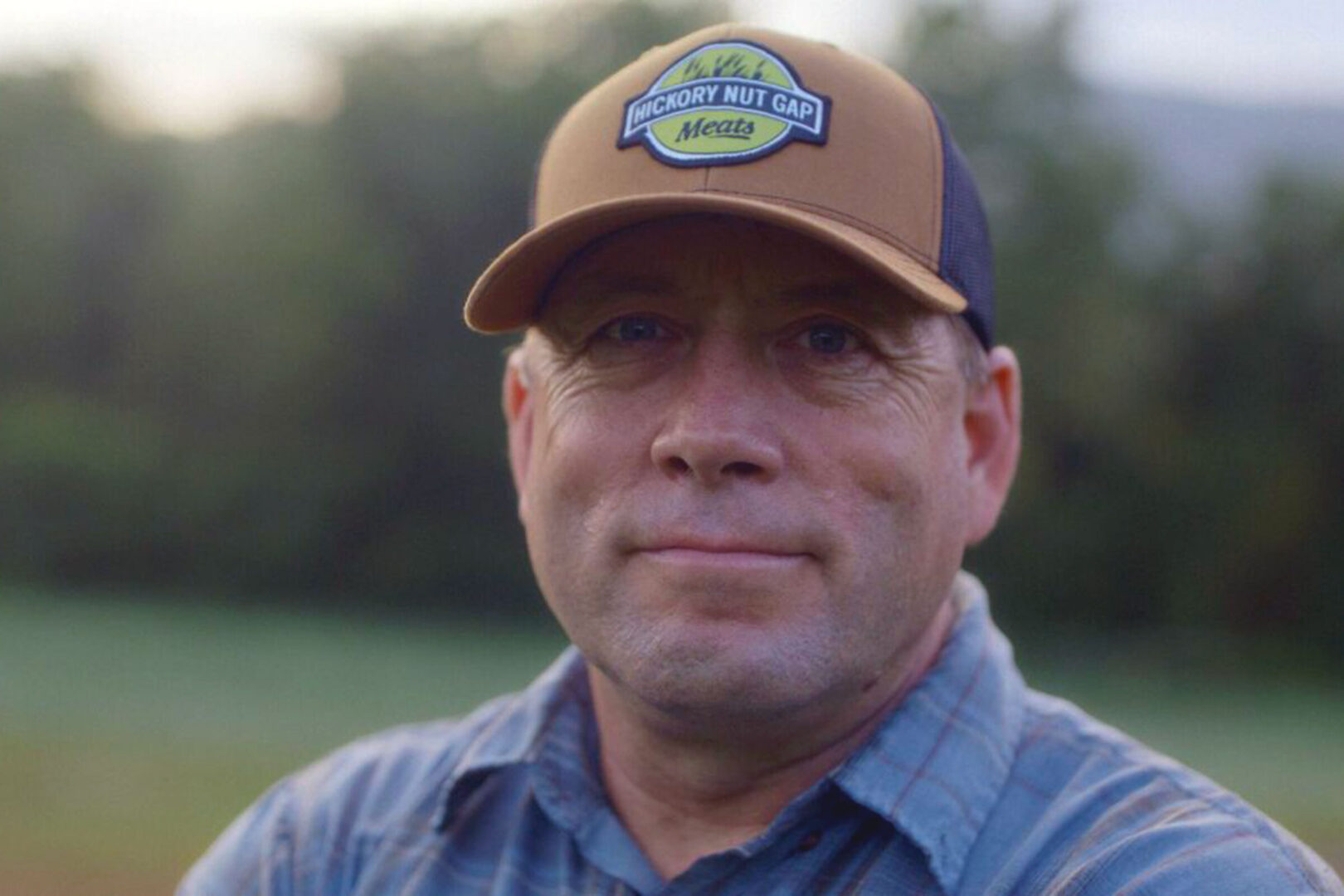
To that end, the Democratic Congressional Campaign Committee launched its first rural voter engagement program last year. And on Monday, it kicked off its “On the Dirt Road Again” summit in western North Carolina, where farmer Jamie Ager is running against two-term Republican Rep. Chuck Edwards. The party brought together local leaders and grassroots organizers for training and strategy sessions aimed at mobilizing rural voters across the 11th District.
Rural voters have long favored Republicans, with many viewing Democrats as out of touch with their concerns. A Pew Research Center survey found that 69 percent of voters who hail from rural communities voted for Donald Trump in 2024, up 10 points from 2016.
But Democratic strategists say a confluence of factors — Trump’s tariff policies, an unpopular war driving up costs, and threats to rural hospitals driven by Medicaid cuts in the GOP’s signature tax and spending law — is driving a shift.
“Republicans in Congress have pushed for the largest health care cuts in history, price-hiking tariffs, and foreign wars driving up the price of gas and fertilizer, all while failing to deliver on local needs like disaster relief for communities in western North Carolina,” said Jacob Burg, rural engagement manager for the Democratic Congressional Campaign Committee.
Democrats are expressing optimism that rural states such Iowa, Ohio and Nebraska will trend blue in the midterm elections.
But Reilly Richardson, a spokesman for the National Republican Congressional Committee, characterized assertions that rural voters are swinging toward the Democrats as “pure political hallucination.”
Democrats, Richardson added, are “operating on our turf, and they’ll be stuck wasting their money in unwinnable districts with strong Republican incumbents.”
The DCCC cited an internal poll that found rural voters’ concerns are the same as voters in traditional battleground districts. Issues related to government corruption and rising costs were at the forefront, the survey found.
Democrats also highlighted an April survey by the American Farm Bureau Federation that found nearly six in 10 farmers report worsening finances because of rising fertilizer and fuel costs.