Funding patch passes Senate to head off fall shutdown
But the bill still requires a vote in the House, which won't be back until September
The Senate easily passed a bipartisan continuing resolution early Saturday morning, likely easing the traditional September rush to head off a partial government shutdown in October.
On a lopsided vote of 90-6, the Senate passed a measure that would extend current funding through Dec. 11, giving lawmakers about 10 extra weeks to complete full-year appropriations bills for fiscal 2027.
But the bill still requires a vote in the House, which won’t be back in session until the first week of September. The House had passed a more bare-bones funding extension last month without many of the “anomalies,” or deviations in current spending, requested by the Trump administration.
The Senate bill passed only after a contentious, days-long dispute over the sale of some THC-infused hemp products, which held up a timing agreement for days. The bill included a provision, sought by the administration, to delay a ban on the sale of those products that is set to take effect Nov. 12.
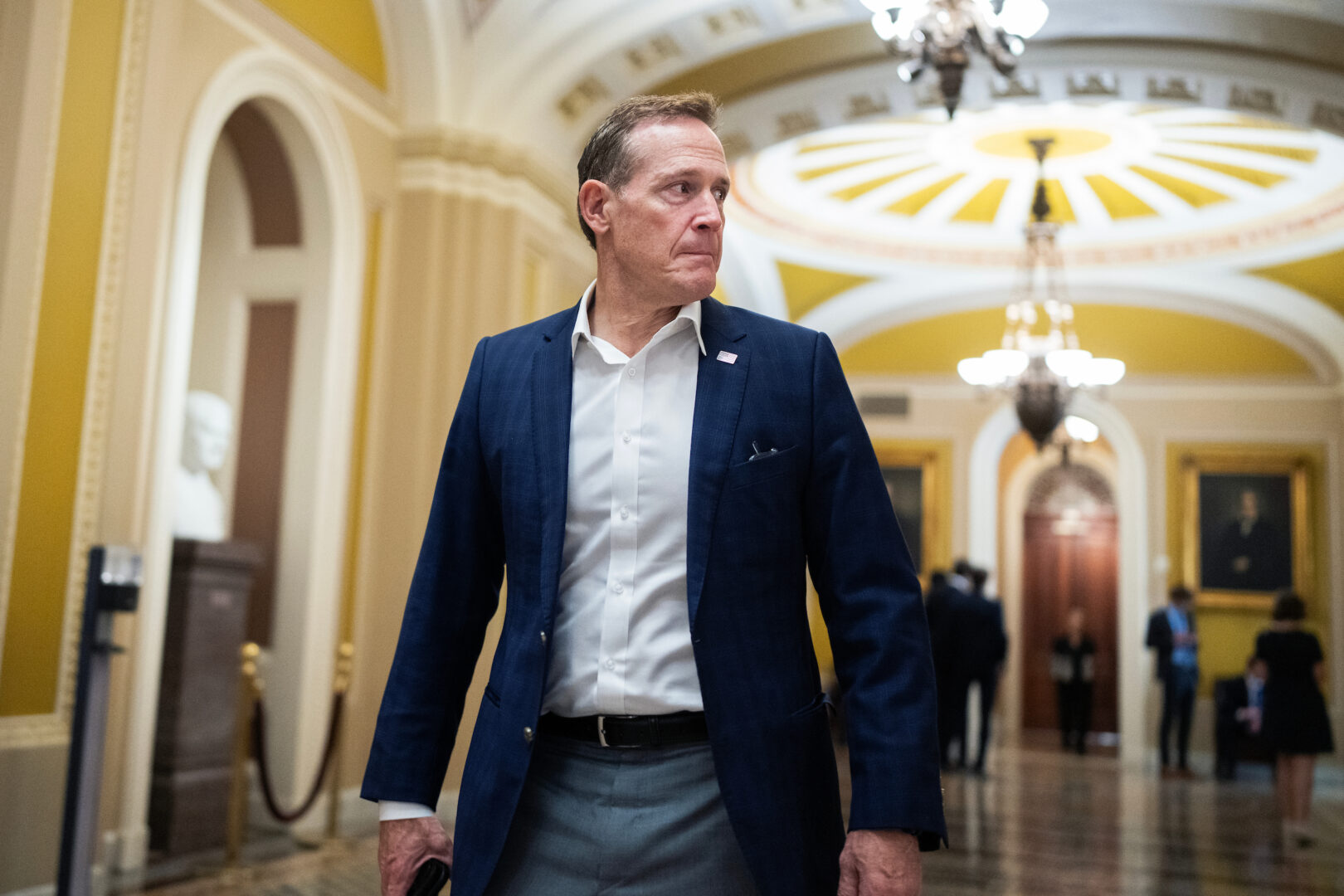
Sens. Ted Budd, R-N.C., and Pete Ricketts, R-Neb., demanded a vote on their amendment to strip out that provision in exchange for their support to speed up the process. The Senate tabled that amendment on a 61-32 vote, thereby allowing for a roughly four-week delay of the ban, as the White House sought.
While passage of the bipartisan stopgap measure was in little doubt, bringing it to the finish line took days of negotiating as leaders struggled to reach a timing agreement by unanimous consent to speed up consideration of the bill along with other legislation they sought to pass before the Senate left town for its long August recess. That agreement also cleared the way for the confirmation of Todd Blanche to be attorney general.
Barring unexpected events, the funding patch is not likely to have much difficulty getting across the House floor after the widely bipartisan vote in the Senate. Lawmakers are eager to return to the campaign trail in October ahead of the November midterm elections.
But there is still a chance that the House could try to amend the Senate bill if any new concerns crop up over the long August recess that lawmakers want to address in a must-pass vehicle like the continuing resolution.
Unlike the House measure, the Senate bill includes a few notable curbs on the administration’s authority.
In a contentious provision that had held up a deal last month, the bill would block, until Dec. 11, a federal rule requiring grants to be approved by senior political appointees — a proposal that triggered an avalanche of public criticism.
Senate Appropriations Chair Susan Collins, R-Maine, and Democrats oppose the rule, arguing that it will slow the flow of federal funds and insert more political influence into the process.
But supporters of the administration are poised to fight against any future delays or an outright ban on the rule.
Sen. John Kennedy, R-La., said earlier this week that there would be a “big fight” over the issue in December, though he said White House budget director Russ Vought told him a delay now was acceptable since the rule would not be ready to be finalized before December anyway.
In another restriction on White House authority, Democrats said the bill would close a “loophole” that would have allowed the administration to transfer further funding to the Border Patrol.
House Democrats overwhelmingly rejected the recent funding patch passed mostly by Republicans in the House, partly because it lacked an explicit prohibition against new Border Patrol funding, as Democrats seek to impose new curbs on immigration agents.
Senate Democrats also succeeded in excluding from the bill a White House request for $1 billion to begin building “Trump-class” battleships, though the measure includes other administration requests to accelerate funding for Navy shipbuilding programs.
The bill also includes a basic extension of funding for the nation’s surface transportation programs through Dec. 11 as work on a full reauthorization continues.
And the Senate bill would extend for two years economic pacts with sub-Saharan African countries and with Haiti, while allowing for quicker spending for food assistance and disaster relief.
Paul M. Krawzak contributed to this report.