Executive order sets voluntary cyber reviews for advanced AI
Trump last month delayed order over regulation concerns
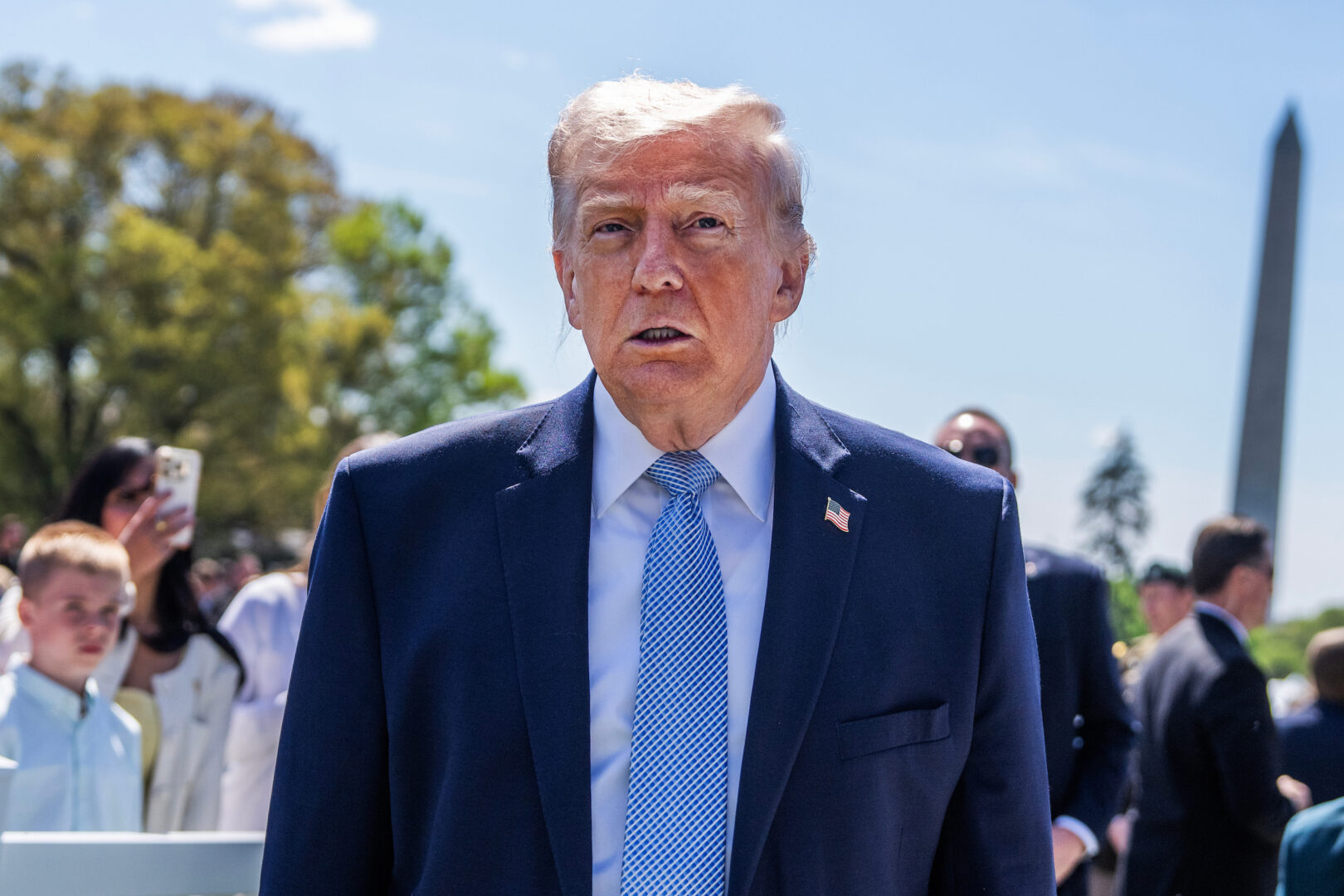
Developers of frontier artificial intelligence models will have the option to voluntarily submit new technologies for review by federal cybersecurity agencies under a new executive order that comes after President Donald Trump backed away from an expected order last month.
Trump issued the executive order on Tuesday morning in a private signing. It represents the culmination of debate within the administration over the balancing of national cybersecurity concerns and the administration’s support for American AI development.
He had been expected to sign the order on May 21, but said at a White House event that day that he postponed it because he did not support “certain aspects of it,” noting that AI development was creating domestic jobs.
“I think it gets in the way of, you know, we’re leading China, we’re leading everybody. And I don’t want to do anything that’s going to get in the way of that lead,” he said.
The administration reportedly considered mandatory reviews, an idea that has since been dropped.
The order tasks the Treasury Department, the National Security Agency and the Homeland Security Department’s Cybersecurity and Infrastructure Security Agency with developing benchmarks to determine which models qualify as frontier AI models.
The agencies are then required to develop a voluntary framework so that developers could submit frontier models to the government up to 30 days before their release to “trusted partners.”
The order would also allow developers to work with the agencies to “select trusted partners that will have early access to covered frontier models to promote secure innovation and strengthen the cybersecurity of critical infrastructure.”
“Advanced AI capabilities make our Nation stronger, but also introduce new national security considerations that require coordinated action across executive departments and agencies … and components,” the order said. “As these capabilities evolve, my Administration will continue to work closely with industry to ensure that the best and most secure technology is deployed rapidly to confront any and all threats to our country.”
The order also contains a section directing the interagency Committee on National Security Systems and the Defense Department to prioritize the cyber defense of their information systems.
It also tasks CISA, in consultation with the Office of Management and Budget, with releasing “Binding Operational Directives.” Those are intended to prioritize the cyber defense of federal government information systems; establish or expand federal programs that enhance the use of AI-enabled defensive tools; and facilitate agency access to cybersecurity tools, potentially including frontier AI models.
The order also requires the creation of an AI cybersecurity clearinghouse, in voluntary collaboration with the industry, “that coordinates and deconflicts scanning for software vulnerabilities, discovers and validates such vulnerabilities, and coordinates and prioritizes remediation and distribution of vulnerability patches.”
Sen. Josh Hawley, R-Mo., expressed support for the order as a safety measure.
“I would go farther. I think we ought to enact my legislation that I have with Senator [Richard] Blumenthal that would make that sort of reporting and monitoring mandatory,” Hawley said.
Hawley in September introduced that bill, which would require the Energy Department to establish an Advanced Artificial Intelligence Evaluation Program to conduct mandatory reviews of advanced AI systems. Blumenthal, D-Conn., and Sen. Marsha Blackburn, R-Tenn., co-sponsored the measure.
Brendan Steinhauser, CEO of the nonprofit Alliance for Secure AI, which focuses on the risks of AI, said that voluntary reviews are not enough to address cybersecurity issues raised by the models, such as Anthropic’s Claude Mythos.
“Congress must now codify the White House’s EO with legislative action. Lawmakers need to create a legal framework that makes federal government review of advanced AI models mandatory,” Steinhauser said.
Brad Carson, president of Americans for Responsible Innovation, echoed the same hope for codification in the aftermath of the “massive wake-up call” of AI-fueled vulnerabilities.
“Policies on vulnerability detection, benchmarking, and pre-public access for the federal government are positive steps forward,” said Carson, a former House Democrat from Oklahoma. “Now it’s time for Congress to follow the White House’s lead and make these protections mandatory.”