Unhappy independents will decide this election
The clout independents now wield is indisputable. So, how are these important voters feeling these days?
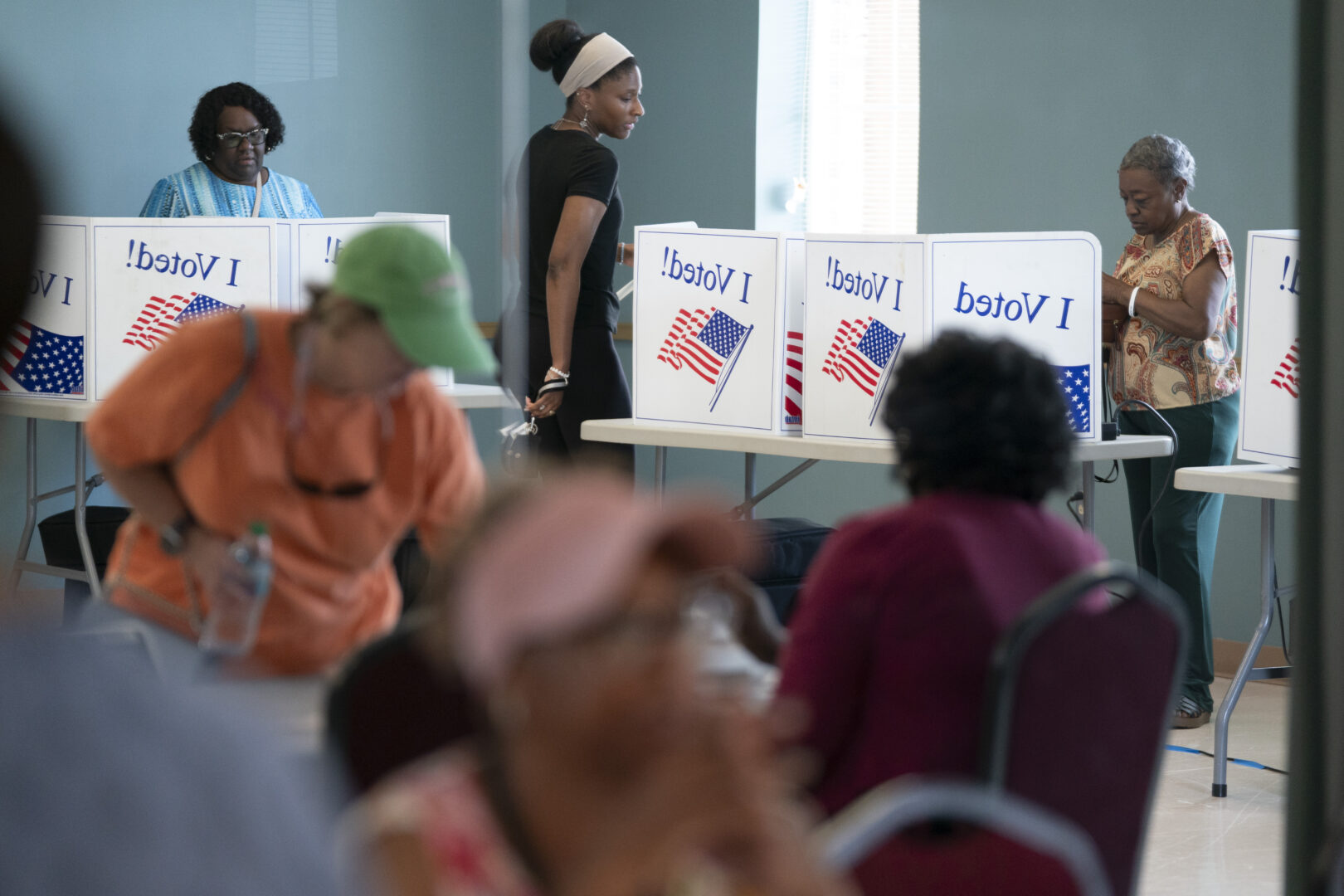
I’m always astonished when I hear political consultants cling to the notion that winning majorities in the House and the Senate is only about turning out the base.
Neither party — neither MAGA nor the progressive left — have the numbers to make that claim anymore.
For the doubters out there, according to the Edison exit polls, in the 2024 elections, independents nationally made up a larger portion of the electorate than Democrats.
Even more persuasive, in the competitive presidential states of Arizona, Michigan, Nevada, North Carolina and Wisconsin, more self-defined independents voted than either Republicans or Democrats.
The rising power of independents has been trending in national politics for decades.
Whenever the House flipped from one party to another over the last 30 years (1994, 2006, 2010, 2018), the winning party won independents with double-digit margins. In turn, the size of the victory gave the winning party a governable majority in the House of between 230 and 242 seats.
The 2022 election was an exception.
Republicans had their best party ID advantage over Democrats in the history of exit polling (+3); but because they lost independents by 2 points, they won only 222 seats.
As a result, it took 15 attempts to elect a Republican speaker with what amounted to the opposite of the previous flip elections — an ungovernable majority.
The clout independents now wield is indisputable. So, how are these important voters feeling these days?
They aren’t happy.
In the most recent Winning the Issues survey (May 30-June 2), 71 percent of independents said the country, overall, was seriously off on the wrong track.
Their take on the economy was equally grim, with 72 percent saying the economy was seriously off on the wrong track. Not surprisingly, 51 percent pointed to the economy as their most important issue, including inflation, gas prices and jobs as serious concerns. By contrast, the next biggest issues were national spending/deficit (7 percent), health care (6 percent) and immigration (5 percent).
Independents don’t see the Biden economy getting fixed.
In fact, only 8 percent say the economy is getting better and the rate of progress is acceptable. Another 24 percent say the economy is getting better but the rate of progress is still unacceptable. Sixty-five percent say the economy is not getting better at all. Tough numbers for the White House and Capitol Hill Republicans.
When it comes to voters’ views on inflation, it’s an uphill battle for the GOP at the moment, with only 8 percent believing it is getting better, while an overwhelming 74 percent say it’s getting worse.
Voter reaction to inflation at a personal level mirrors the more macro view. Seventy-five percent say the cost of living is increasing at a faster rate than their wages. A majority (51 percent) say they consider themselves “living paycheck to paycheck.”
It’s taking a toll on the president’s job approval.
Among independents, Donald Trump’s overall job approval is 27 percent approve and 64 percent disapprove. On the economy, it is 26-66, but on inflation it dips to 20-69.
Part of the challenge here is that voters, especially independents, don’t think Trump is focused enough on the economy and inflation. On the economy, 74 percent say he’s not focusing enough, and on inflation 78 percent say the same.
Again, these are their top concerns.
But before Democrats start popping the champagne corks, when it comes to voters’ negative views of the two parties, there is little difference. With all voters, Republicans in Congress have a 37 percent favorable to 58 percent unfavorable rating, while Democrats are saddled with statistically the same at 38 percent favorable to 56 percent unfavorable.
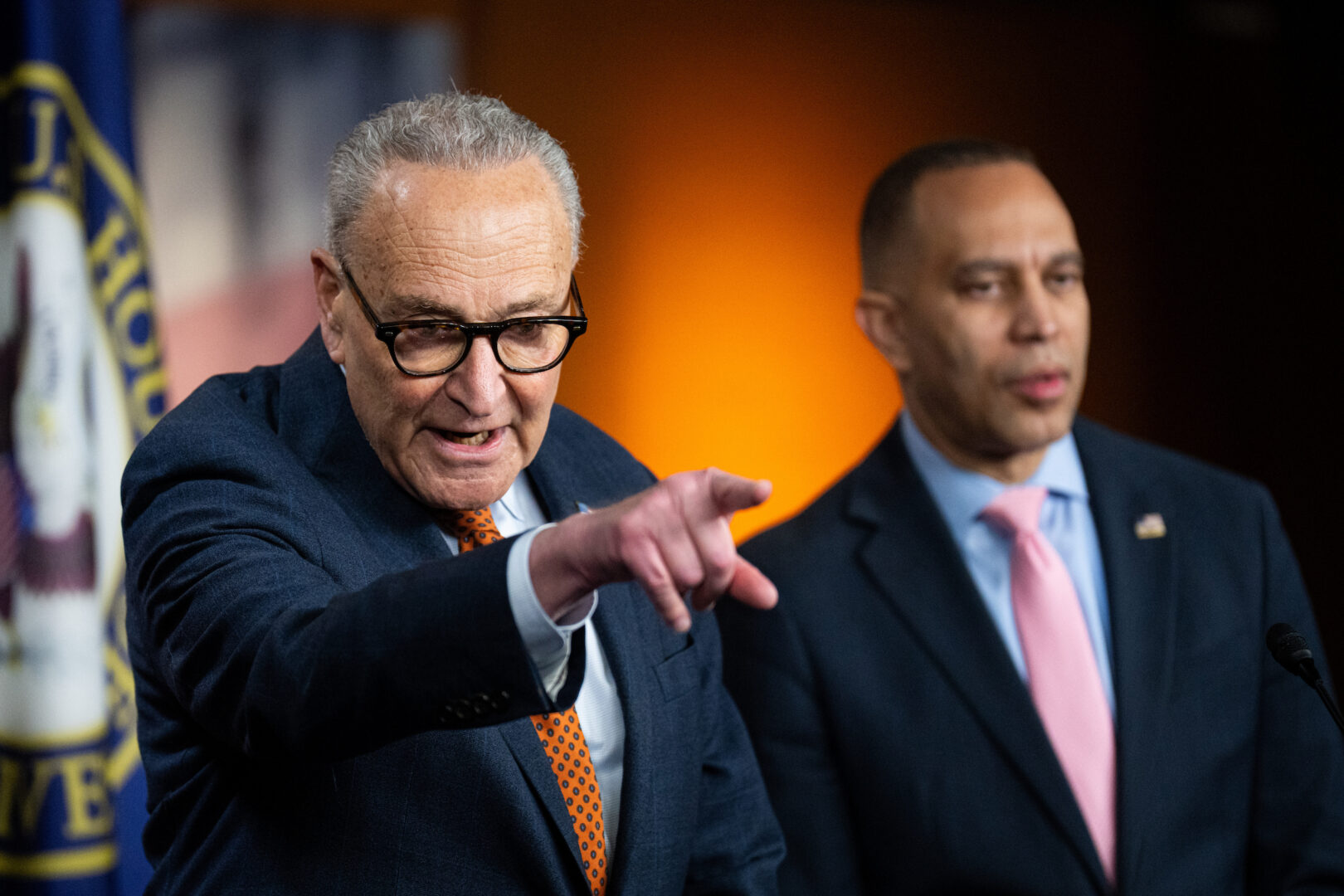
Senate Minority Leader Chuck Schumer, the face of Hill Democrats, clocks in at 23 percent favorable to 53 percent unfavorable.
For Republicans in Congress, their favorable-unfavorable among independents is 25 percent to 68 percent. Not good. But, again, Democrats in Congress fare only slightly better with independents at 30 percent favorable and 62 percent unfavorable.
Not good, either.
Overall, 42 percent of independents have an unfavorable opinion of both Republicans and Democrats in Congress.
And Schumer with independents? Fifteen percent favorable, 57 percent unfavorable.
Democrats are still tied to Joe Biden and his failed policies, particularly with independents, and have failed to offer new policies that differentiate themselves from voters’ very negative views of the Biden presidency. Americans have a memory — even though most commentators would have you believe otherwise.
Book tours
The Biden book tours, Jill’s current and Joe’s planned for the fall, couldn’t be more ill-timed for Democrats, reminding voters of all the reasons why they gave Republicans the political trifecta in the 2024 election.
Voters still remember when gas prices topped $5 and inflation hit 9 percent and who was in charge. That leaves Democrats with little standing when it comes to complaining about Trump’s economic policies. Bad numbers like these for both sides do create opportunities for both as well. But also some challenges.
Those in the consulting community whose basic fall-back strategy continues to be to drive up the opponent’s negatives and turn out the base will find that pushing these numbers higher is nearly impossible.
For the first time in decades, winning will likely take more focus on policy rather than personal attack campaigns.
Independents want solutions and remain a center-right group.
For example, when asked which is the bigger problem, government spending or not enough revenue coming from taxes, independents say government spending by a 79-14 margin.
Republicans have a good track record when it comes to the specifics of the Big Beautiful Bill, which provided relief to working people and small business.
The problem is nobody knows it.
They don’t believe it prevented a tax increase. Nor do they understand that many of the legislation’s provisions delivered significant cost-of-living relief to families and businesses.
Republicans still have work to do to sell their signature legislation — especially with the voters who will decide this election: independents. And time is running out.
Republicans, being the center-right party, should have the advantage.
Time to do something with it.
David Winston is the president of The Winston Group and a longtime adviser to congressional Republicans. He previously served as the director of planning for Speaker Newt Gingrich. He advises Fortune 100 companies, foundations and nonprofit organizations on strategic planning and public policy issues, as well as serving as an election analyst for CBS News.