Ben Jones, who went from ‘Dukes of Hazzard’ to Congress, dies at 84
Actor played Cooter Davenport and later defended the Confederate battle flag
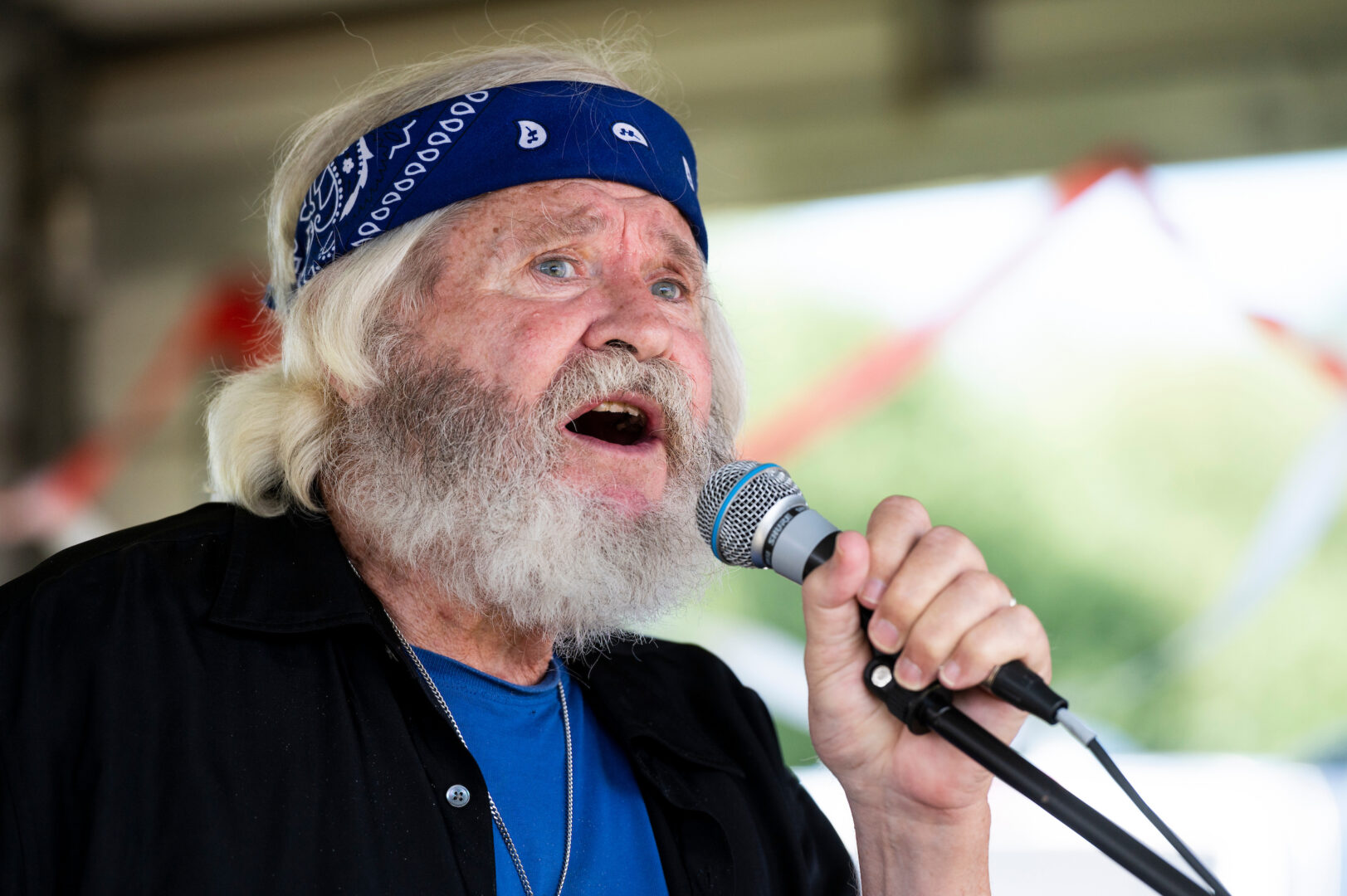
Former Rep. Ben Jones, the plain-speaking “Dukes of Hazzard” star-turned-Georgia Democratic congressman, has died at the age of 84.
His wife, Alma Viator, shared the news of his death in a public Facebook post late Sunday.
“I lost the love of my life today. Ben passed from a massive heart attack,” Viator wrote. “He was home resting in his favorite chair waiting for the Braves to come on and whoop the Yankees.”
From 1979 to 1985, Jones was a familiar face on television as Cooter, the friendly “Dukes of Hazzard” mechanic savant who kept the Duke brothers’ Dodge Charger, the “General Lee,” running throughout the show’s run.
After the series ended, Jones switched gears and launched a bid for Congress in 1986, finally winning the seat on his second attempt in a 1988 matchup against scandal-plagued GOP incumbent Pat Swindall.
A Democrat reared on the civil rights movement, Jones claimed a lifelong membership in the NAACP and to have participated in sit-ins that saw him arrested and assaulted.
He married his political roots with a plain-speaking, wisecracking personality and built a socially liberal reputation in the House that included politically risky moves like his vocal opposition to a proposed constitutional amendment to ban flag desecration in 1990.
Which is worse, Jones asked on the House floor, “the handful of demented malcontents who burn a flag and dishonor only themselves, or … to react to them by amending our Constitution, putting an asterisk on the Bill of Rights and changing the bedrock principles upon which our nation was founded?”
After losing a post-redistricting primary bid in 1992, he went on to challenge Newt Gingrich two years later, hitting his opponent over using tax-free money to finance a college course, “Renewing American Civilization,” that Gingrich taught via satellite. The complaint would lead to a major ethics investigation and fines for the Republican speaker.
Jones later moved to Virginia and made another bid for Congress in 2002, losing to incumbent GOP Rep. Eric Cantor.

Toward the end of his life, Jones became an outspoken defender of the Confederate battle flag, which he called the rebel flag, that was prominently painted across the roof of the “General Lee.”
A member of the Sons of Confederate Veterans, Jones backed legal challenges to the flag’s removal from public symbols like the Mississippi state flag, in the wake of incidents including the racially motivated shooting at Emanuel African Methodist Episcopal Church in Charleston, S.C.
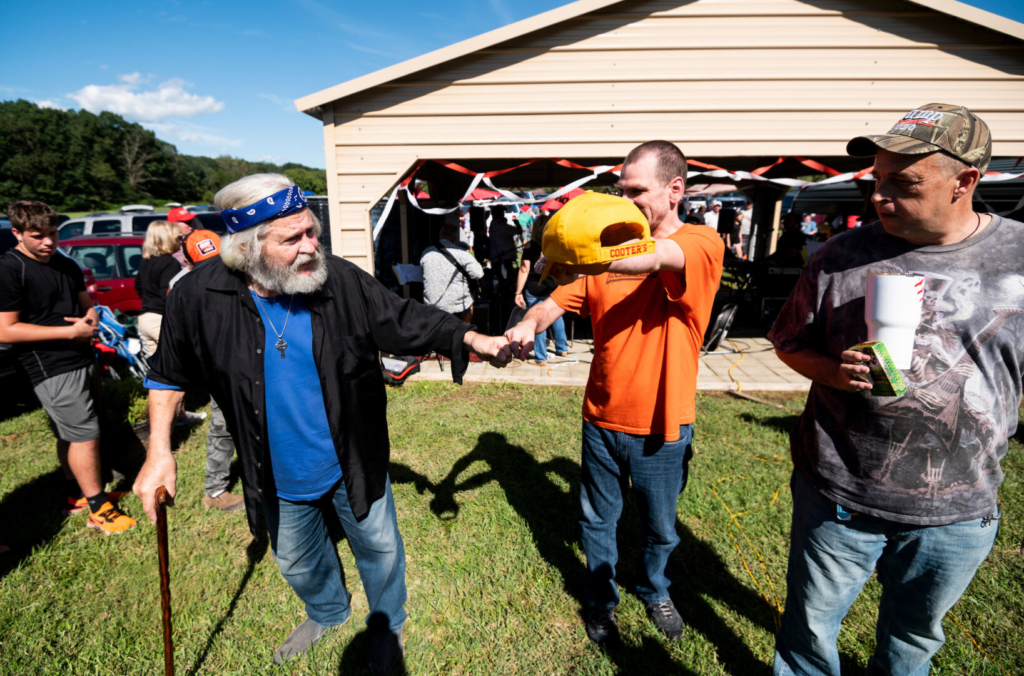
“If y’all think that we’re ever going to be ashamed of our ancestors, that we’re going to turn our nose to those great people of the past, you’re just wrong,” he told a crowd celebrating his 80th birthday at Cooter’s Place, the gift shop and Dukes shrine he owned in Luray, Va.
A self-described “redneck,” Jones also saw the Democratic Party as having drifted from its populist support for the working class and said in 2020 that he was considering voting for President Donald Trump “if he can behave himself.”
Born in North Carolina, Jones took an interest in acting and attended the University of North Carolina at Chapel Hill, before making his way to stage and screen. One memory before coming to Congress, he later recalled, was performing in “Desire Under the Elms” at the Kennedy Center in 1974.
“The night Richard Nixon resigned,” he said, “they stopped the show between the first and second acts and broadcast his speech over the sound system. That got the biggest applause of the evening.”
He acknowledged that he came to Washington with a rocky past that included years of alcohol abuse and multiple divorces. Jones once joked about having “more bones in my closet than the Smithsonian Institution.”
Over the weekend, Jones was mourned by fans and politicians alike.
“He was an incredible man, a dedicated public servant, and a true American treasure,” Georgia Republican Rep. Rich McCormick wrote on X. “Georgia was fortunate to call him one of our own.”
The Hollywood Reporter, covering Jones’ death, noted his own past reflections on the nature of his transition from show business to politics, pointing to a 1989 oral history interview where he spoke of being energized by the same chemistry with an audience that he felt as an actor.
“People ask me in Washington if I’m doing any acting any more. More than ever,” he said, laughing.
[How ‘The General Lee’ was left in the Democratic Party’s dust]