Trump: Definitely not signing bipartisan housing bill
Bill will become law at midnight unless Trump vetoes it
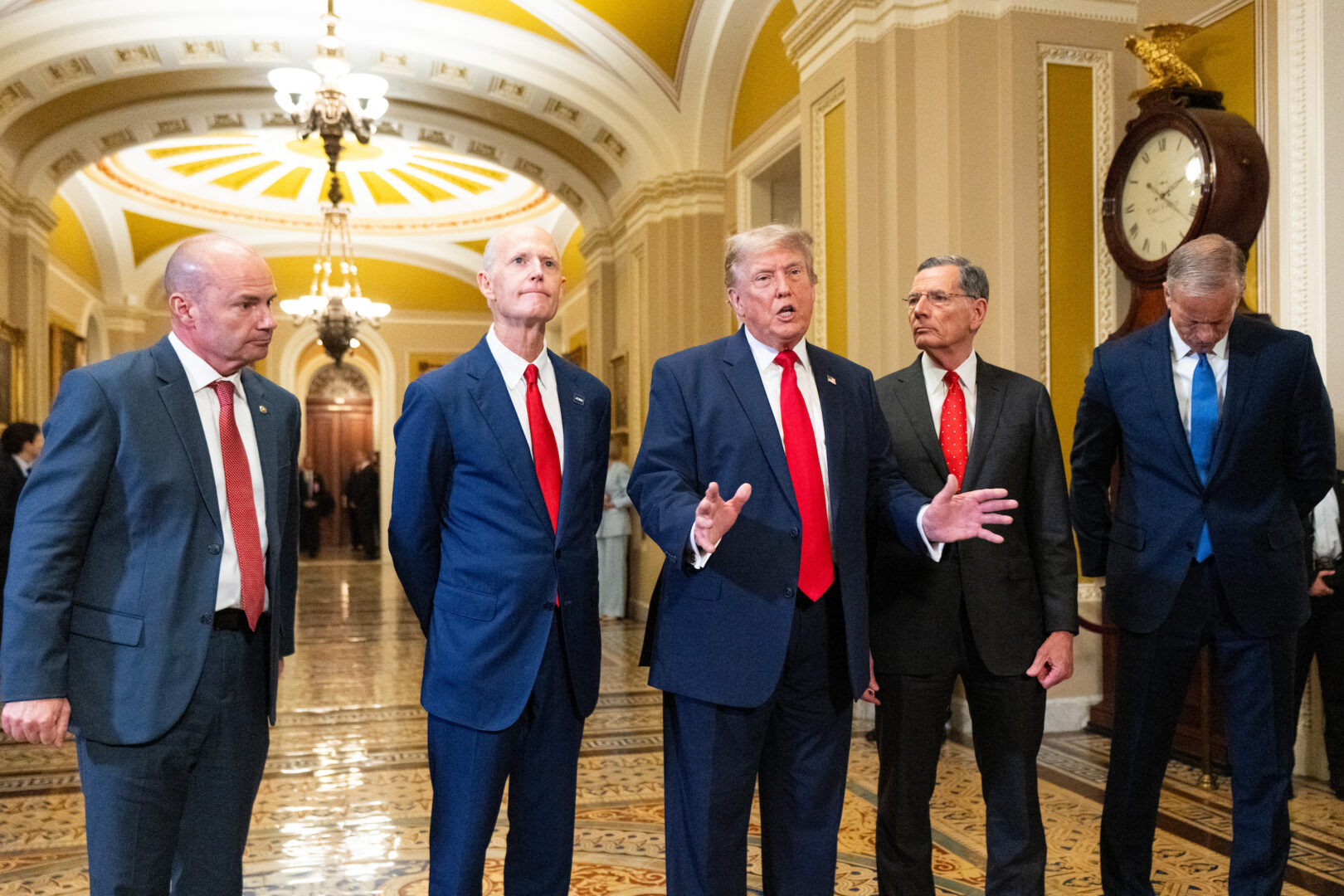
President Donald Trump on Friday put to rest any lingering hopes he would sign into law major housing legislation Congress recently cleared with overwhelming bipartisan majorities.
The legislation, which is designed to increase the supply and lower the costs of housing, would become law at midnight tonight, if Trump doesn’t veto the measure. The Constitution says that bills become law after 10 days, excluding Sundays, without a presidential signature — unless the bill is vetoed.
Trump said he won’t sign the bill because he is frustrated that the Senate has not passed an election security bill that would require voters to prove citizenship to register and bring photo ID to the polls. There is not enough support in the Senate for that measure to overcome a filibuster.
“I will not sign the Housing Bill, which has been fully approved by Congress and sent to the White House, in PROTEST over the fact that the United States Senate is not capable of passing THE SAVE AMERICA ACT,” Trump wrote in a Truth Social post.
The statement reiterates what Trump said about the measure weeks ago, just before what was supposed to be an elaborate signing ceremony at the Capitol.
Trump has never said he plans to veto the measure, nor did he in his Truth Social statement Friday. Speaker Mike Johnson, R-La., who has spoken to Trump about the bill, has said he doesn’t believe the president will veto it.
Republicans and Democrats have pointed to the bill as evidence that Congress is addressing one of voters’ most prominent affordability concerns, the soaring expense of owning and renting. The House cleared the final bill, 358-32, on June 23, and the Senate passed it, 85-5, on June 22.
Both margins are veto-proof, but a Trump veto might cause some Republicans who previously supported the bill to rethink their positions.