Former Rep. Tim Murphy dies at age 73
Pennsylvania Republican, who resigned in 2017, remembered for mental health work
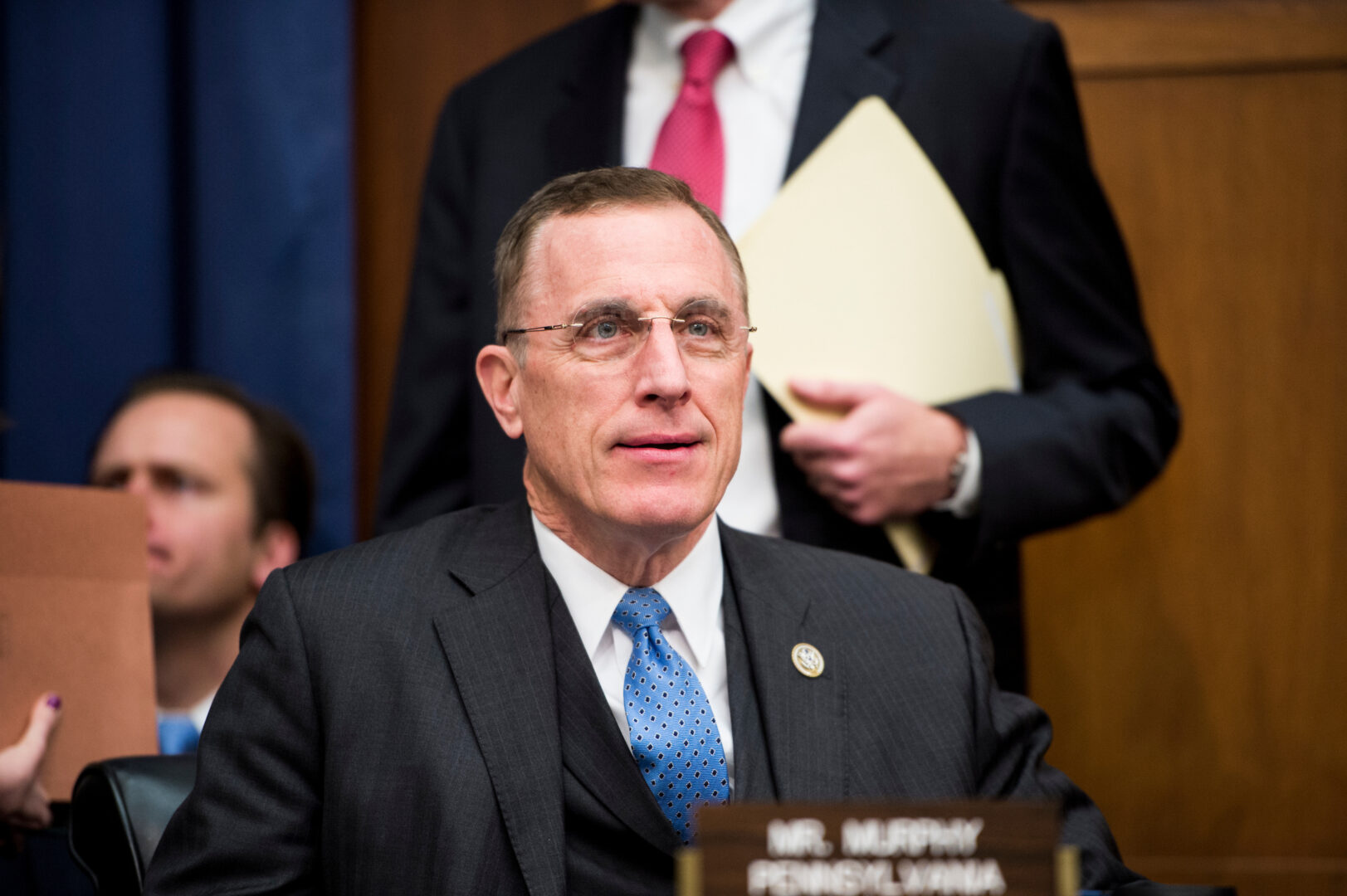
Former Rep. Tim Murphy, who championed mental health issues for nearly 15 years before abruptly stepping down from his House seat amid a scandal involving an extramarital affair, has died at the age of 73.
The Pennsylvania Republican died Saturday of an apparent heart attack, according to local news reports.
A psychologist, Murphy was a steady advocate for mental illness research and treatment, including the coordinated treatment of chronic physical illnesses like heart disease that are correlated with higher rates of psychological ailments like depression.
During his time in Congress, he argued that a coordinated care model could reduce hospitalizations while saving money.
“The real cost saving in health care is not going to come just by providing more money, more insurance. It really has to come from doing a better job and focusing on quality and value,” Murphy said in 2017.
But his tenure in the House came to a swift end that October after the Pittsburgh Post-Gazette reported that Murphy — who had been a member of the House Pro-Life Caucus — had urged a woman he was having an affair with to get an abortion over an “unfounded pregnancy scare.” Within two days, Murphy had submitted his resignation.
Born in Cleveland, Murphy earned his Ph.D. in psychology from the University of Pittsburgh in 1979. He eventually opened his own practice, taught at his alma mater and gave advice as “Dr. Tim” on Pittsburgh radio and television.
He entered politics by winning a state Senate seat in 1996. A path opened to Congress in 2002, after the GOP-led legislature redrew the 18th District to favor Republicans ahead of that year’s midterm elections.
In Washington, Murphy sought to boost western Pennsylvania’s natural gas industry and, as chairman of the Congressional Steel Caucus, pushed for federal construction projects to use domestically manufactured steel. An officer in the Naval Reserve, Murphy also supported the Reserve’s naval operations support center at Pittsburgh International Airport and the Air National Guard’s 911th Airlift Wing.
Murphy, who chaired the Energy and Commerce Committee’s Oversight Subcommittee, opposed cuts to federal research agencies like the Substance Abuse and Mental Health Services Administration.
He also raised alarms about the epidemic of synthetic opioid addiction. Murphy highlighted his own experiences with fentanyl after he was injured in a vehicle rollover in Iraq during a 2005 congressional delegation visit. “At no point did anybody discuss with me, ‘be careful with this stuff … this can be addictive,’” he later recalled.
Members of Pennsylvania’s congressional delegation remembered Murphy as a friend and colleague on social media, praising him for his work on mental health. Republican Rep. Guy Reschenthaler, whose district overlaps with Murphy’s former district, called him “a dear friend and a trusted mentor to me for many years.”
“No one worked harder for his constituents,” said GOP Sen. Dave McCormick. “He believed that no family should have to face a mental health crisis alone, and he dedicated his career to making that belief a reality.”