North Carolina not so quietly pushes Trump’s efforts to restrict the vote
While SAVE Act flounders in Congress, states are doing his work and then some
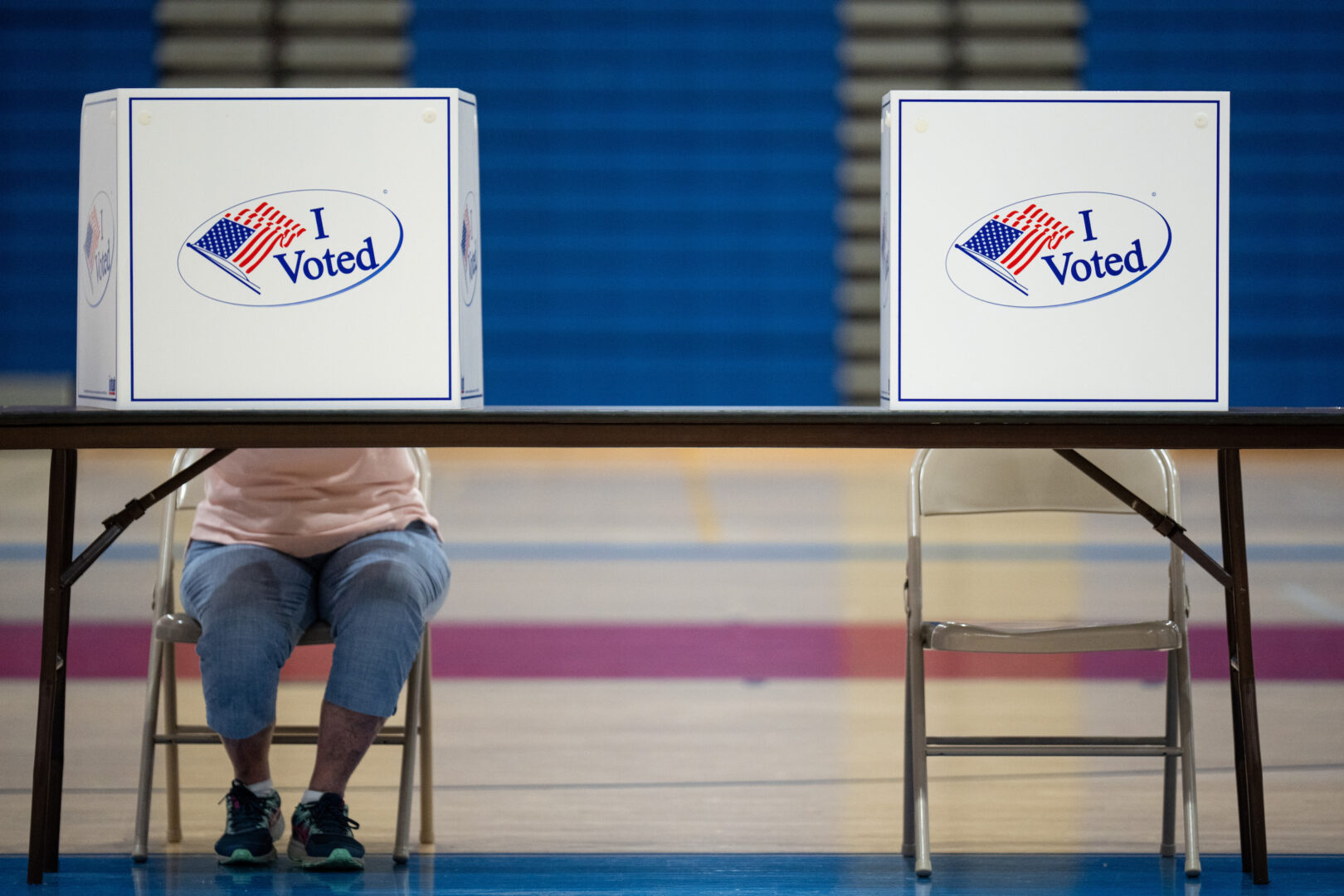
What’s next? Asking how many jelly beans are in the jar?
That was a question election workers, particularly in the South, used to ask voters. Not surprisingly, Black voters, who wanted simply to exercise their rights as American citizens to cast a ballot, always managed to guess wrong.
How many bubbles in a bar of soap was another favorite riddle, an example of Jim Crow at its finest, using an impossible, ridiculous yet on the surface neutral test to weed out those the powerful felt did not deserve to choose the politicians who would represent them.
The Voting Rights Act of 1965 outlawed such practices, insidious tactics employed with an obvious though unstated intent. The current Supreme Court in the session that just ended suggested the impact of such policies cannot be considered, unless you come right out and state that race is the reason you’re asking about those jelly beans.
An exaggeration? Maybe. But the majority on the current court did say that voting policies that intended to remedy discrimination were themselves discriminatory.
That the Supreme Court has been chipping away at what was once called the “crown jewel” of the civil rights movement should come as no surprise. Chief Justice John G. Roberts Jr. wrote as a young lawyer in the Reagan administration that the law represents “the most intrusive interference imaginable by federal courts into state and local processes.”
Now, in North Carolina, which trends a reddish purple but because of redistricting and a defanged Democratic governor looks crimson much of the time, Republicans are gazing backward.
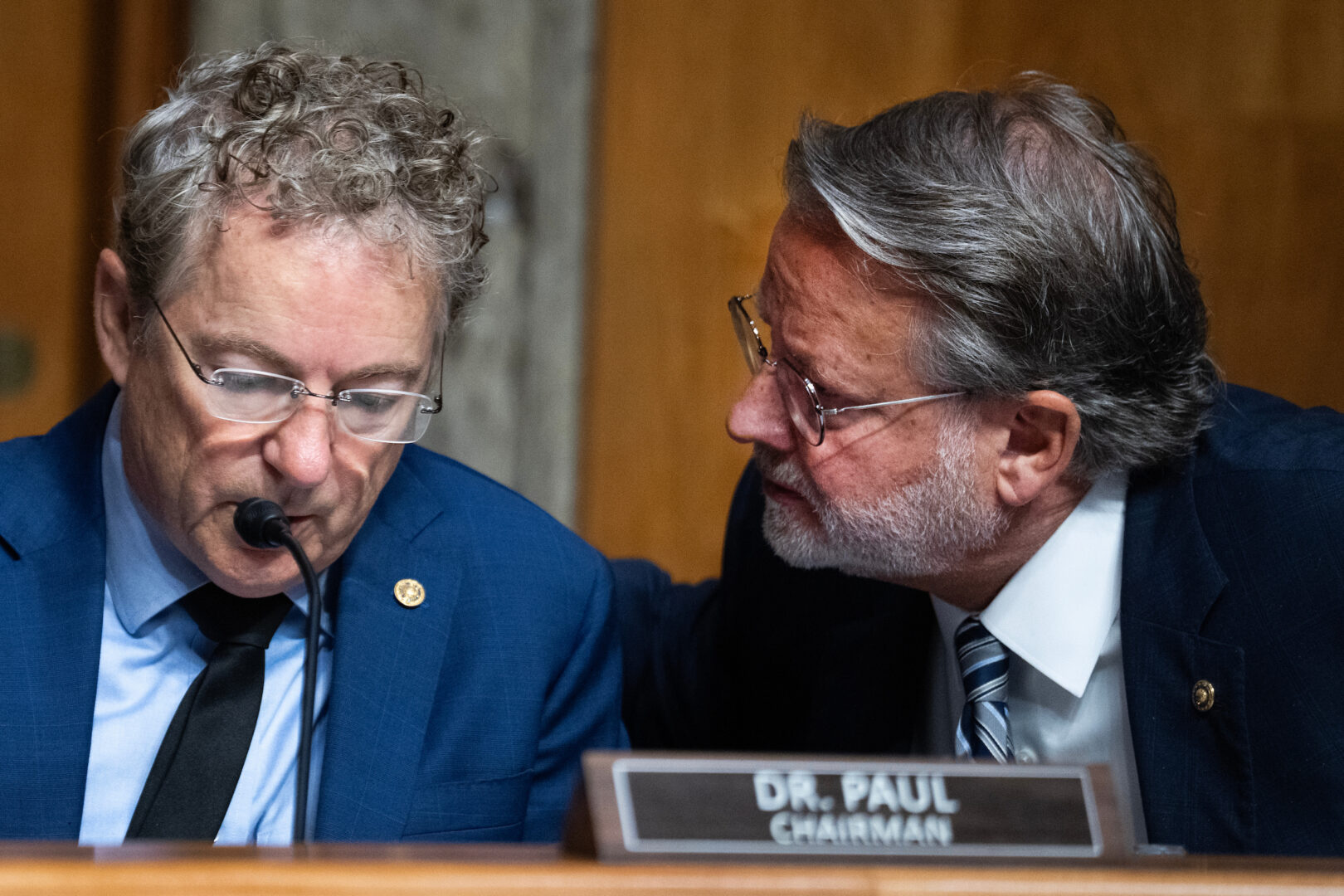
The GOP majority on the State Board of Elections feels secure in its spots since the state Supreme Court blessed Republican lawmakers’ move to shift appointment power from Democratic Gov. Josh Stein to the Republican state auditor. The vote-restricting schemes they’ve come up with make the Trump administration’s push for a federal law largely unnecessary, at least in North Carolina.
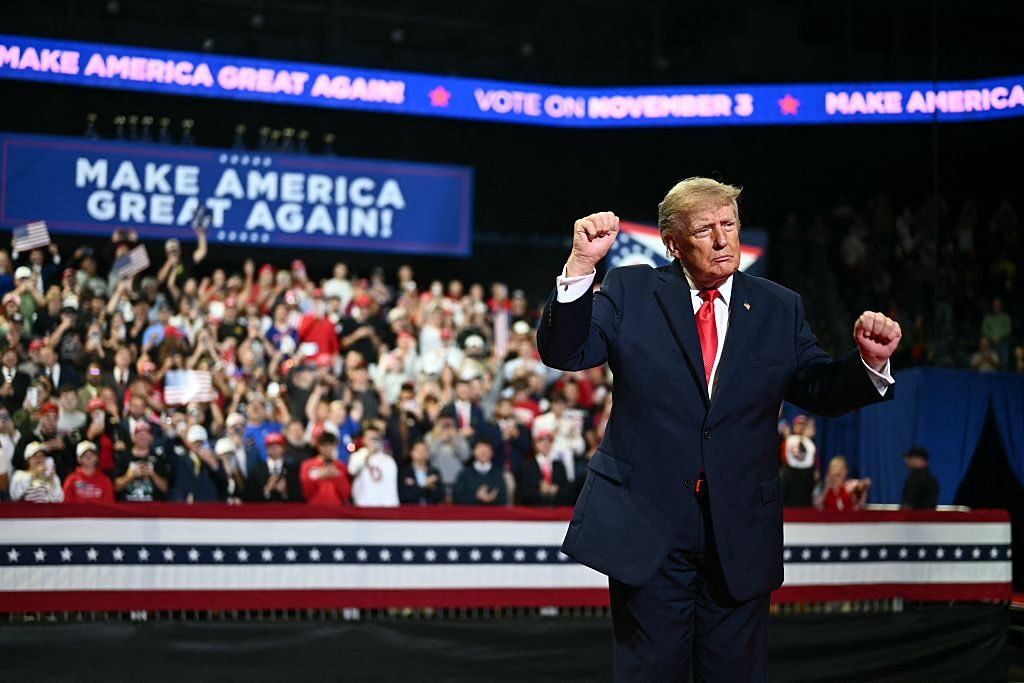
While the president’s SAVE Act meets obstacles in Congress and his recent speech rehashing disproven assertions about vote-rigging in 2020 fell flat, Republican-controlled states are sending a different signal: That’s OK, we’ve got this.
In South Carolina, a Trump-backed redistricting plan that probably would have cost Democratic U.S. House member James E. Clyburn his seat failed in the state legislature for now because of self-interest and, one hopes, a sense of decency.
In North Carolina, the elections board has proven neither of those reasons is a deal-breaker.
New rules would make it easier to toss ballots during the 2026 midterms and beyond if a voter’s stated reason for requesting an exemption to the state’s photo ID rules was judged false. It previously required unanimous agreement of a bipartisan election board before someone’s vote was not counted. With the shift, a simple majority would make the call, and Republicans hold majorities on each board in every one of North Carolina’s 100 counties.
A GOP-controlled Rules Review Commission isn’t likely to object.
Republican board member Angela Hawkins seems to think a lot of people lie. As reported by WRAL, “she supported lowering the threshold and allowing boards to throw out people’s votes even if there’s disagreement over their eligibility.”
“It’s very difficult to find falsity in what someone says,” Hawkins said.
Furthermore, if your excuse for requesting an ID exemption is judged a lie when you try to cast a ballot and you complain about it, you’d better keep the ruckus down. Another rules change would allow volunteers to remove any voter, campaigner, politician or protester judged too noisy.
Hawkins sounded absolutely giddy at the thought of giving a thumbs-up or thumbs-down to voters who believe it’s more important than ever to be heard.
There is pushback, however toothless it may prove to be. “Partisanship has no business in the counting of eligible voters’ ballots,” Common Cause NC said in a statement and a warning about the latest moves by an elections board that has mail-in ballots next in its sights.
Of course, the board’s answer is that any new rules would apply to anyone of any party.
But if you don’t believe having a “D” or “R” after your name will matter in a state with a close U.S. Senate race that might determine control of Congress, in a state with a history of being sued over voting restrictions that a federal court said targeted African American voters “with almost surgical precision,” then you don’t know North Carolina.
If it seems like the fix is in, it’s because no one is hiding.
After the president’s evidence-free speech about fraudulent elections that seemed a warm-up for 2026 election denialism, Homeland Security Secretary Markwayne Mullin’s follow-up doubled down on Trump’s delusions, threatening local election officials with prison time if they did not comply with the administration’s meddling efforts.
Clearly Mullin’s not familiar with the U.S. Constitution, which gives Congress and the states, not the federal government, the power to govern elections. As administration officials and their lackeys across the country try to undo the will and voice of “we the people,” Mullin should brush up on that document, the same one that Black prospective voters in some states in pre-Voting Rights Act days had to quote, from memory, only to be rejected for a misplaced “a” or forgotten “the.”
The arbitrary tests imposed by clerks and bureaucrats making a mockery of the voting process are not ancient history and seem as unsavory as present-day North Carolina election officials telling someone who loves America enough to make their way to the polls that they’re noisy liars before ushering them out.
A country determined to live up to the ideals of its founding documents should not have to worry about a comeback of the worst policies of the past.
But here we are.
My advice? Election officials thinking of bringing back the soap test instead need to use it to scrub away the dishonor, if they can find a bar big enough.
Mary C. Curtis has worked at The New York Times, The Baltimore Sun, The Charlotte Observer, as national correspondent for Politics Daily, and is a senior facilitator with The OpEd Project. She is host of the CQ Roll Call “Equal Time with Mary C. Curtis” podcast. Follow her on Twitter @mcurtisnc3.