This year, holiest days in Jewish calendar marked by grief, security challenges
As Jewish holy days approach, a call for security funding for synagogues
The onset of the Jewish high holidays coincided with national grief marking 25 years since the terrorist attacks of Sept. 11, 2001. At sundown that same day, Jewish families across America gathered to welcome Rosh Hashanah, the Jewish new year.
Yom Kippur, the holiest day of the year, begins this Sunday.
In our tradition, the high holidays are the season when the future is held in the balance, and this year the two observances arrived together.
Our community remembers that morning the way every American does. We stood with the families of the victims, and in the years that followed we helped lead the advocacy that created the Nonprofit Security Grant Program (NSGP), helping houses of worship and community institutions of every faith protect their people.
It rests on a simple conviction: the first responsibility of government is to protect its people in their places of worship and community.
Twenty-five years later, the need for that protection has grown beyond what any of us wished to imagine.
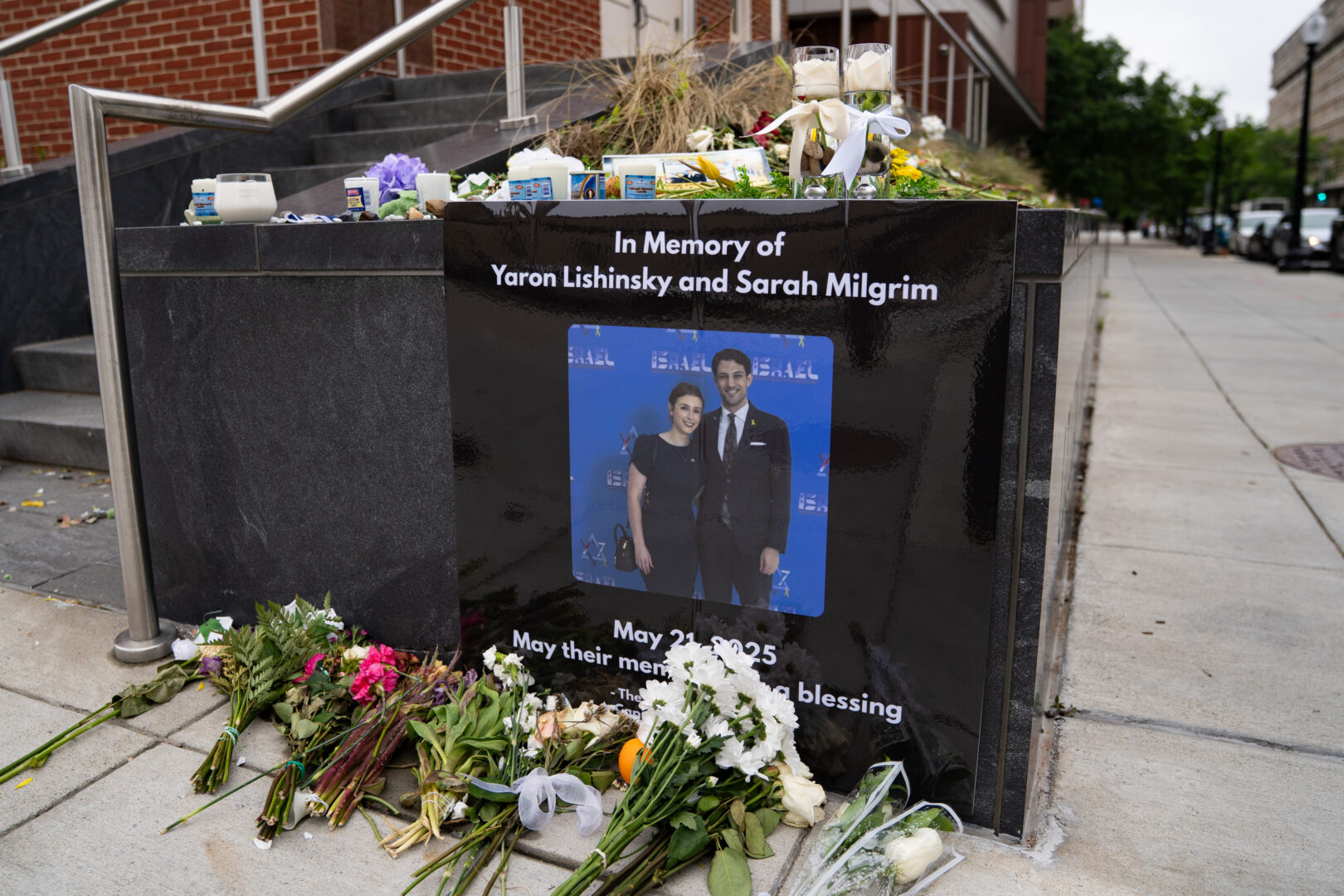
In May 2025, Sarah Milgrim and Yaron Lischinsky were murdered as they left a gathering of young Jewish professionals at the Capital Jewish Museum in Washington. In June 2025, Karen Diamond died of injuries suffered when a man firebombed a walk for the hostages in Boulder, Colo. This January, an arsonist set fire to historic Beth Israel in Jackson, Miss. And in March, in West Bloomfield, Mich., a man rammed his vehicle into Temple Israel armed for a mass attack, where 140 preschool children were inside. He struck a guard with his vehicle before security personnel stopped him, and every child went home safe.
In 2025, anti-Jewish hate crimes accounted for 69 percent of all religiously motivated hate crimes in America, according to the FBI’s newest data. Nearly two-thirds of religious hate falls on a community that makes up only 2 percent of the population.
We have done our part: Our community has built professionally run security programs across programs that connect synagogues, schools, community centers and camps to local law enforcement, train clergy and volunteers, harden buildings, and monitor threats around the clock. New data shows that Jewish communities now spend more than $1 billion annually on security, so that we can exercise the freedom of religion promised to every American. No other community must pay so much to gather safely.
The NGSP has funded cameras, doors, lighting and training at houses of worship across the country, and we are grateful to the members of both parties who have sustained it year after year. Even as we give thanks, demand has far outpaced supply: nearly 6,000 institutions applied for almost $1 billion in grants in the most recent year with complete data, and the program funded fewer than half, turning away more applicants than it protects.
And so, as the new year approaches, we recommend to Congress two measures.
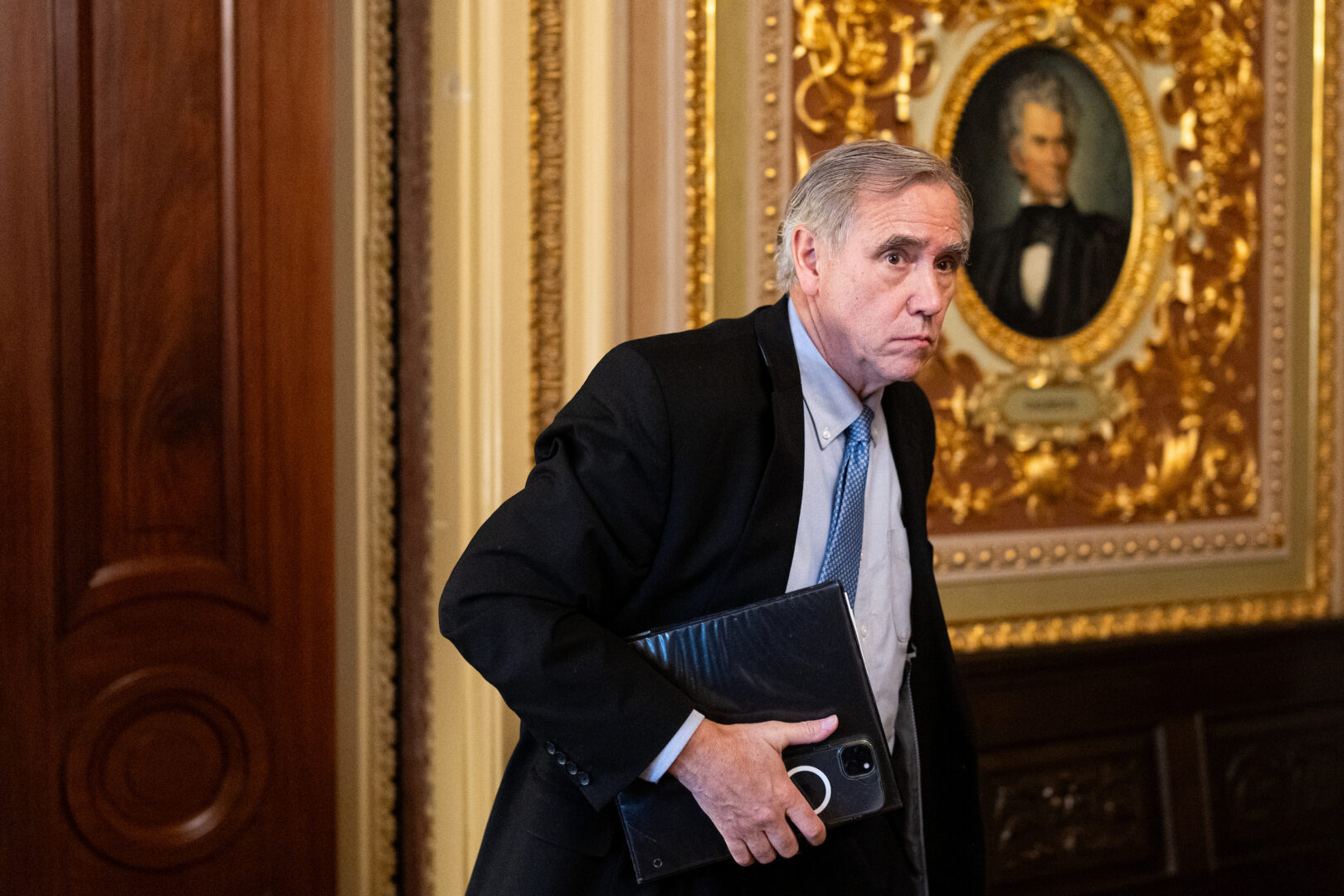
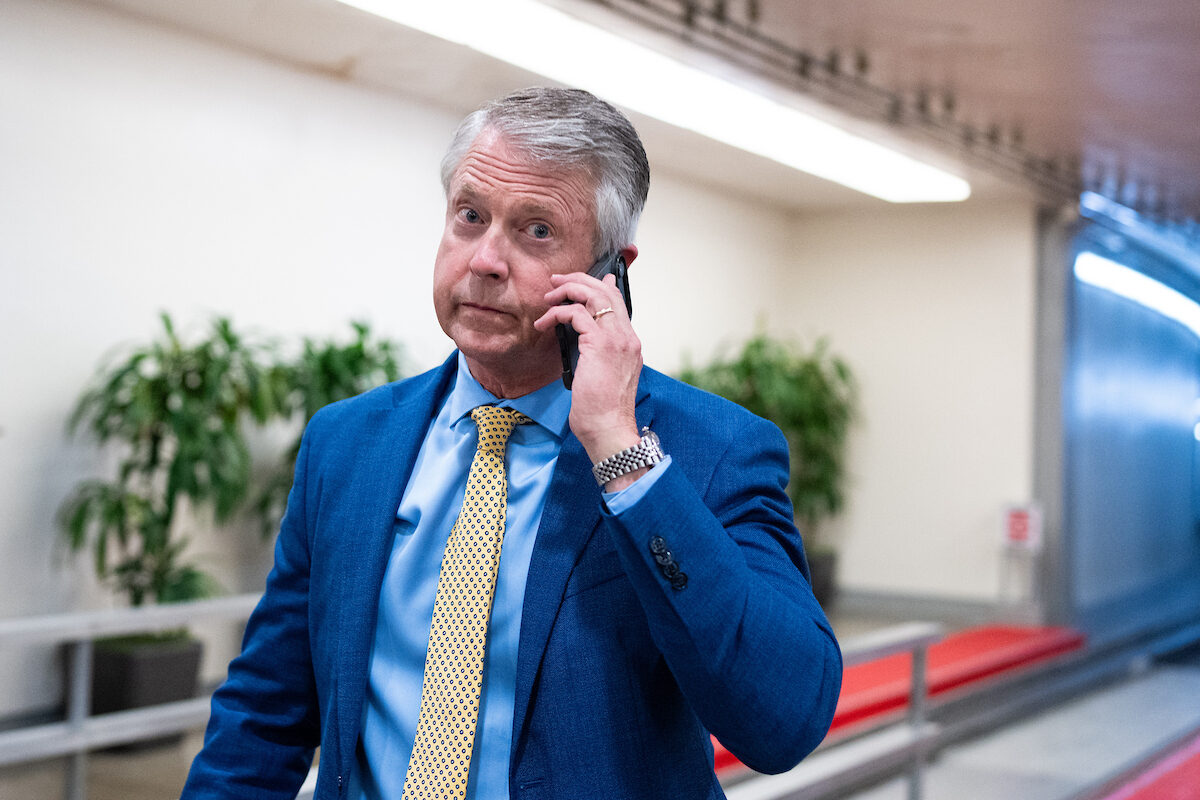
First: Pass the Jewish American Security Act. Sens. James Lankford, R-Okla., and Jacky Rosen, D-Nev., introduced the bipartisan bill in May, with Reps. Mike Lawler, R-N.Y., and Dan Goldman, D-N.Y., leading in the House. The bill authorizes the NSGP at $1 billion per year, an estimated cost sized to protect communities of every faith, and it strengthens civil rights protections for students and accountability for the platforms that spread hate online.
Second: Fund it. I served in the House, and I know that authorization can’t protect anyone until the appropriations follow. Congress should fund the program at the full $1 billion annually and make it simpler and faster for a small congregation to use.
Our synagogues are full this month. Our day schools and camps are bursting at the seams, with plans to double their capacity over the next decade. The surge in Jewish engagement that began after Oct. 7, 2023, continues. The people who fill our sanctuaries on Sept. 11 will come with hope for the year ahead.
Twenty-five years ago, out of terrible grief, this country resolved to protect its people, and Congress can renew that resolve this year. On Yom Kippur, pray to be inscribed in the Book of Life. May the year ahead bring safety to every community of faith in America.
Eric D. Fingerhut is the CEO of the Jewish Federations of North America. An Ohio Democrat, he served in the House of Representatives in 1993 and 1994.