Permitting deal down to the wire as senators look to the exits
Questions include the handling of wind and solar projects
Senate negotiators expressed optimism over negotiations on legislation to overhaul the federal environmental permitting system, even as text remains elusive in what could be the final week in session before the midterm elections.
This was expected to be a make-or-break week for a bill to streamline the process for greenlighting infrastructure projects, from new oil refineries to offshore wind farms, under laws including the National Environmental Policy Act. But while the key senators working on the legislation have not thrown in the towel on a deal, they still have yet to agree on final language.
“Most of the dealbreaker humps we’re over, but now it’s refining the language, taking raw agreements into legislative texts and figuring out what schedule for voting succeeds,” Senate Environment and Public Works ranking member Sheldon Whitehouse, D-R.I., said.
Whitehouse said they are in the “final negotiations,” but when asked if there was an agreement, Whitehouse replied: “Not really.”
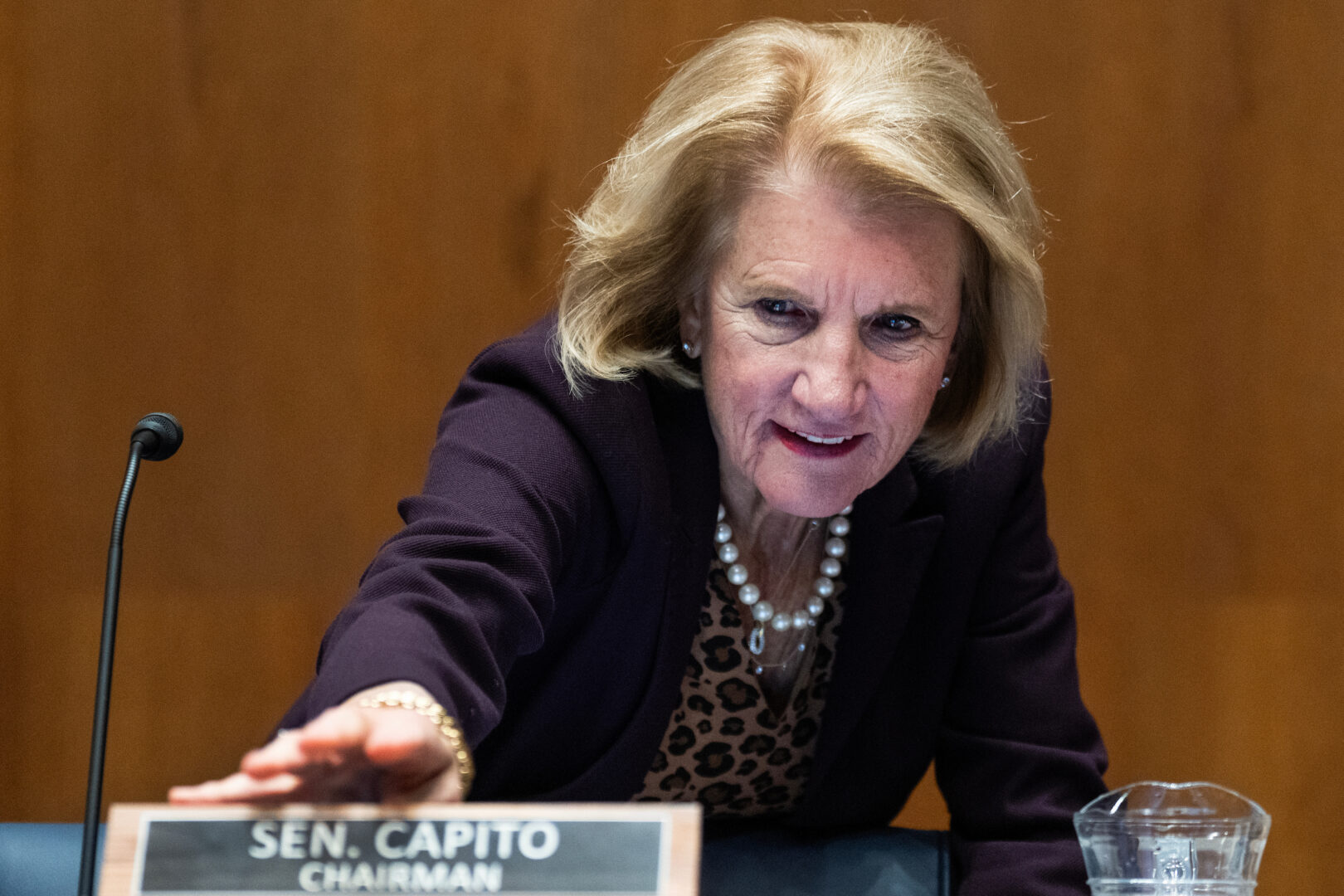
Whitehouse and the other top negotiators — EPW Chair Shelley Moore Capito, R-W.Va., Energy and Natural Resources Chairman Mike Lee, R-Utah, and ranking member Martin Heinrich, D-N.M. — were mum on any timeline for unveiling text.
“I don’t do the prediction stuff, because I actually want to get this done,” Heinrich said.
Senate leadership had suggested the body could recess until November as soon as this week, after passage of the college sports bill, if there is no agreement. But at a news conference on Wednesday, Majority Leader John Thune, R-S.D., said that permitting legislation could still be on the table.
“That’s something we’re going to find out about pretty soon, whether the Democrats are willing to take yes for an answer on that, but it has consequences for all the things we’re talking about today, most importantly energy prices,” Thune said.
However, Heinrich said he was looking for a “by-the-book, regular order kind of process, because people are going to need time to get briefed up and really understand precisely what the details are.” This could take longer, setting up the chamber to consider the legislation in the lame-duck session.
While the text of a deal remains under wraps, there are also questions as to how the Democratic senators would receive assurances that the Trump administration would not block additional wind and solar energy projects — a sticking point during negotiations — and how the legislation would move forward in the House.
If the Senate does remain in town next week, Thune suggested they could consider a bill that is intended to address rising electricity prices by requiring state regulators to consider adopting standards to ensure large data centers pay for needed electric grid upgrades. The House passed it, 417-3, on Sept. 16.
Sen. Jon Husted, R-Ohio, requested the Senate pass the bill by unanimous consent the next day. But Heinrich objected, arguing the bill would do little to address costs since neither the states nor data center developers would be required to do anything, only consider new standards.
“As you might expect, there’s a significant level of interest in having a vote on ratepayer protection, and so we’re taking a look at how we’ll be able to fit that in,” Thune said after Wednesday’s Senate policy lunches. “We can certainly try and tee it up.”
Minority Leader Charles E. Schumer, D-N.Y., threw cold water on that proposal in his own post-lunch remarks Wednesday — doubling down on Heinrich’s earlier complaints.
“Husted’s bill is a fraud, it’s voluntary, no company has to do it,” Schumer said.
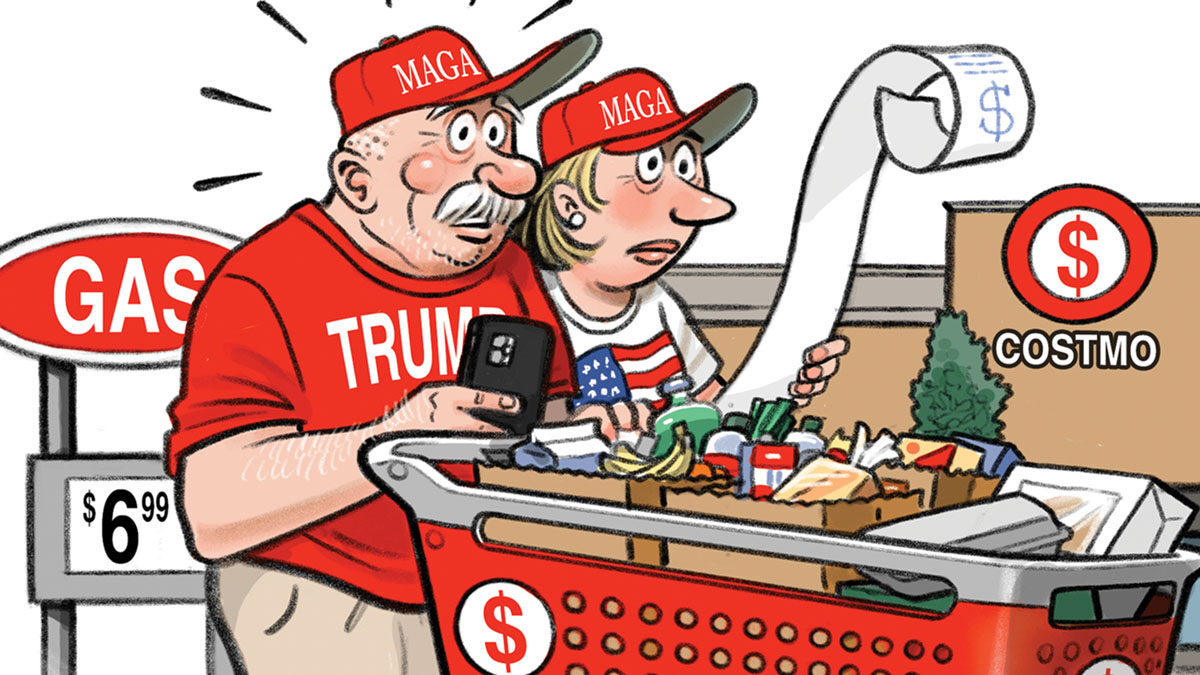
Members in both chambers have been eager to bring a legislative win on artificial intelligence back to constituents who have been feeling the pressure of rising energy costs — especially as affordability continues to drive conversations on the campaign trail.
But a lack of consensus on what degree of regulation is needed for the rapidly developing technology has largely hampered that effort.
On Tuesday, Thune also suggested the Senate could consider Congressional Review Act joint resolutions that would nullify waivers California received under the Clean Air Act to set its own emissions standards. Two of these joint resolutions passed the House last week.
Savannah Berhmann contributed to this report.