House’s most vulnerable Republicans haven’t deviated from Trump on 2026 votes
Support contrasts with 2018 when GOP members were more likely to break with president
While polls show around 60 percent of Americans disapproving of Donald Trump’s job performance, House Republicans have remained steadfast in their support for the president in 2026, especially when it comes to floor votes.
Continuing from their record level of support last year, Republicans in the House have, on average, taken Trump’s side 97 percent of the time in 2026, according to a CQ Roll Call analysis of votes on which the president’s position was publicly known.
Perhaps surprisingly, this also holds true for the most endangered Republicans, in races that Inside Elections with Nathan L. Gonzales rates either as Toss-ups or as favoring Democrats. While their districts may be down on Trump over his handling of rising prices and the Iran conflict, these Republicans backed the president’s position on 96 percent of votes taken this year.
Of the 16 members of the House Republican Conference whose seats are most at risk, according to Inside Elections, 14 have sided with the president at least 90 percent of the time this year.
Three incumbents in Toss-up races — Pennsylvania’s Ryan Mackenzie, Ohio’s Max Miller and Wisconsin’s Derrick Van Orden — have gone with the president’s position on all such votes they cast in 2026. None of the three did so last year.
In total, eight of the 16 members have voted more often with the president in 2026 than they did last year. Besides Mackenzie, Miller and Van Orden, the group also includes vulnerable Reps. Juan Ciscomani of Arizona, Rob Bresnahan Jr. of Pennsylvania, Zach Nunn of Iowa, Jen Kiggans of Virginia and David Valadao of California.
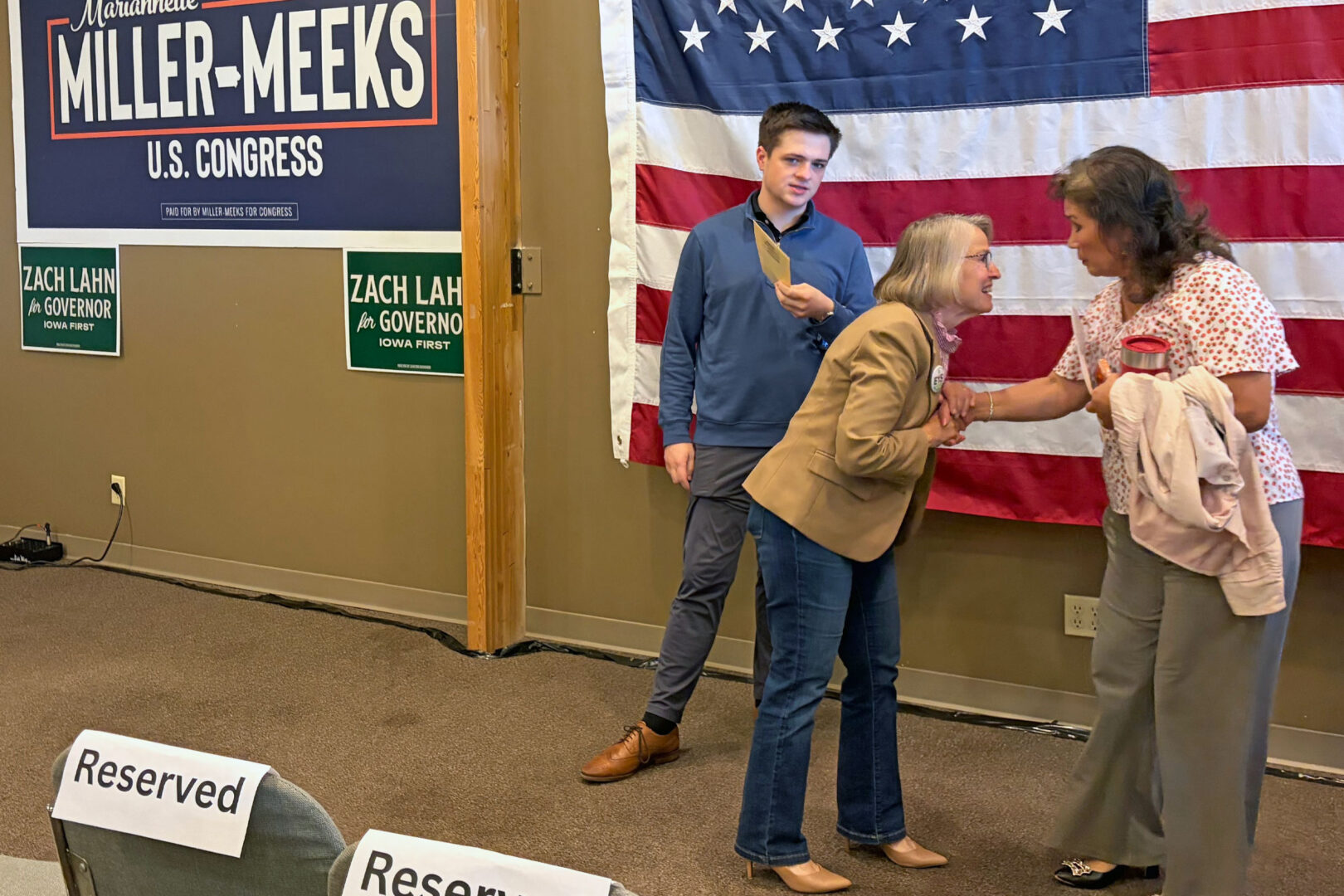
Seven Republicans have moved the other direction, breaking with the president a bit more on 2026 votes, though remaining loyal overall. They include Michigan’s Tom Barrett, New York’s Mike Lawler, Iowa’s Mariannette Miller-Meeks, New Jersey’s Thomas H. Kean Jr. and Colorado’s Gabe Evans.
Only two members — Pennsylvania’s Scott Perry and California’s Kevin Kiley, who became an independent earlier this year but continues to caucus with Republicans — have supported the president’s position on less than 90 percent of their votes cast. Each has broken with Trump on eight votes through September — putting their level of support at nearly 88 percent.
The most endangered House Republican, California Rep. James Gallagher, arrived in Congress in June after winning a special election to succeed the late Rep. Doug LaMalfa. He has sided with Trump on 21 of the 22 eligible votes he’s cast this year, for a support rate of 95 percent.
The high levels of presidential support on House votes this year represent a contrast to Trump’s first midterm election in 2018, when 28 Republican incumbents were heading into Election Day in similarly precarious positions. Their average level of support for the president was 93 percent — about 3 points lower than the current rate. Only 19 of those 28 members had a support rate higher than 90 percent eight years ago. Republicans ended up losing 25 of those 28 races.
Senate support
It’s a similar story on the Senate side, where there are nine races for Republican-held seats that Inside Elections rates as competitive. Six of those contests feature incumbents.
And five of them are running for reelection with perfect Trump support scores this year. They include Ohio’s Jon Husted — who topped CQ Roll Call’s most recent list of the most vulnerable senators — Alaska’s Dan Sullivan, Kansas’ Roger Marshall, Nebraska’s Pete Ricketts and South Carolina’s Darline Graham, who was appointed to the seat of her late brother, Sen. Lindsey Graham, in July.
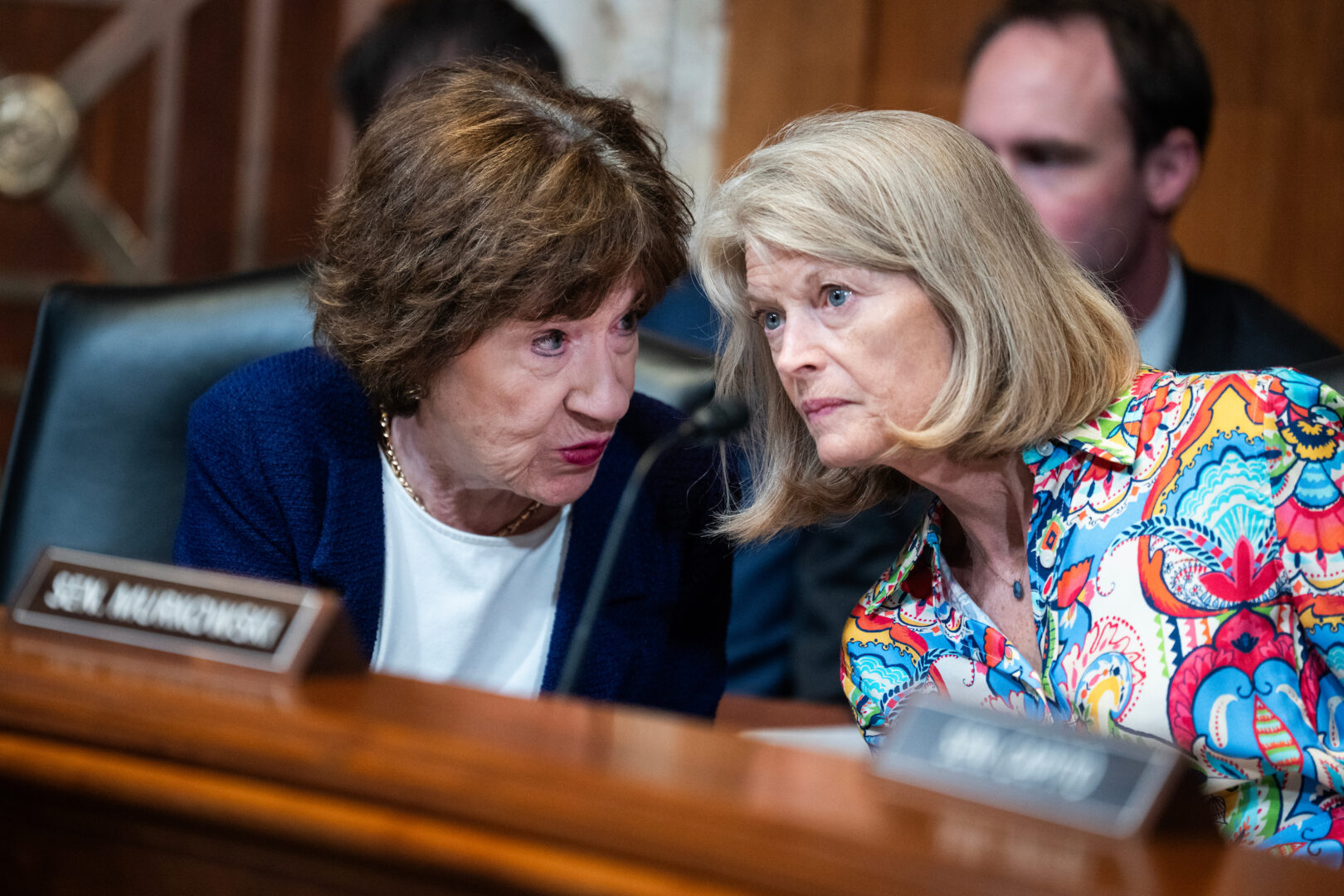
Only one, Maine Sen. Susan Collins, who faces a Toss-up race, has broken from Trump on any vote this year. She’s voted in alignment with the president’s public position 85 percent of the time this year.
Of the competitive races for GOP-held seats that don’t feature an incumbent senator, one has a Republican nominee with a voting record nonetheless. In Iowa, Rep. Ashley Hinson is running to succeed retiring Sen. Joni Ernst in a race that Inside Elections currently rates Tilt Republican. Hinson has sided with Trump on all 67 of the House votes he’s weighed in on this year.