Vote on Chinese car imports bill sought as Xi meets with Trump
Senate measure would place restrictions on vehicles made in ‘foreign entities of concern’
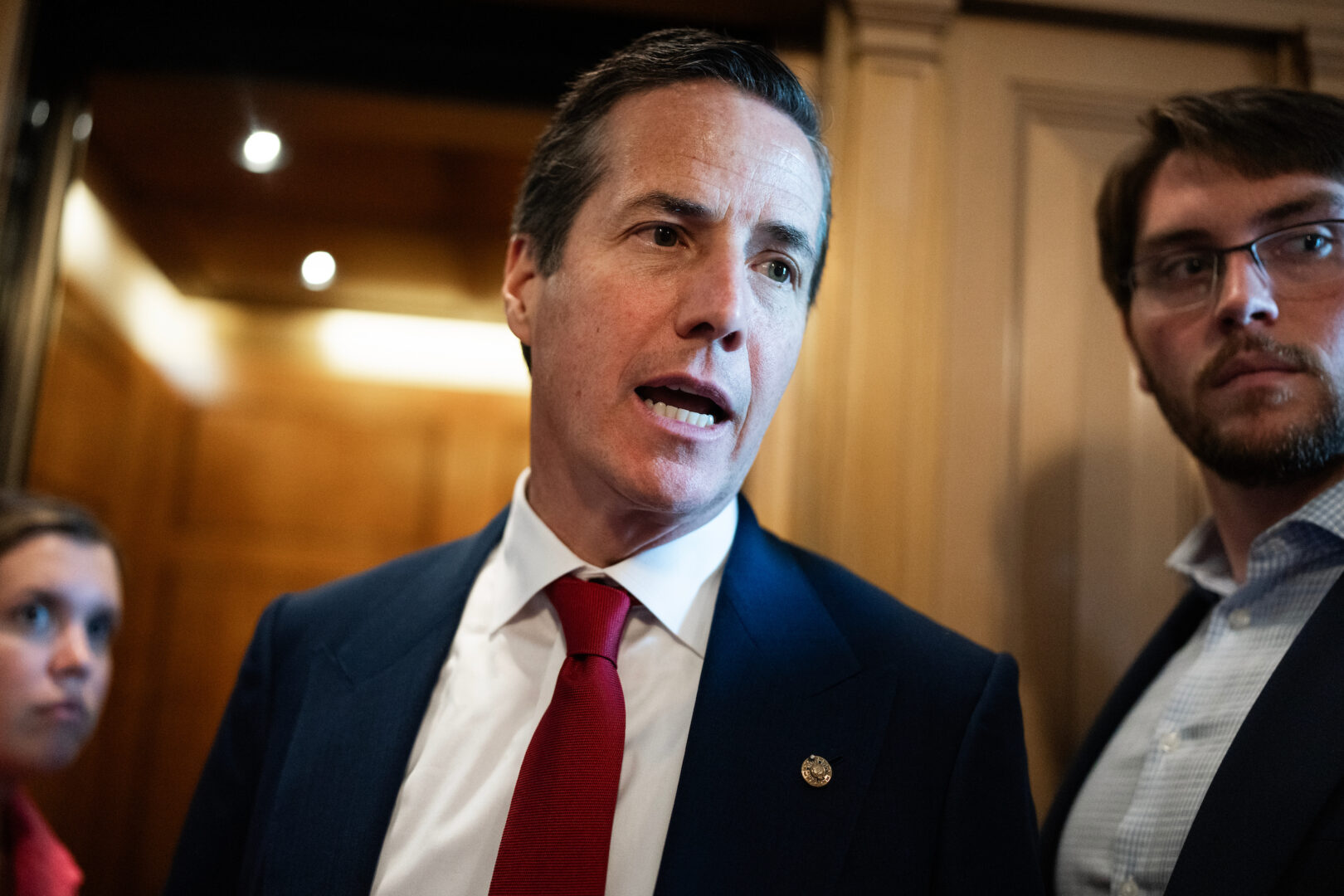
With China’s leader Xi Jinping visiting Washington a few blocks away, a bipartisan duo took to the Senate floor Thursday with a push to block imports of certain vehicles and parts originating in that country, calling them a national security risk that puts domestic rivals at a disadvantage.
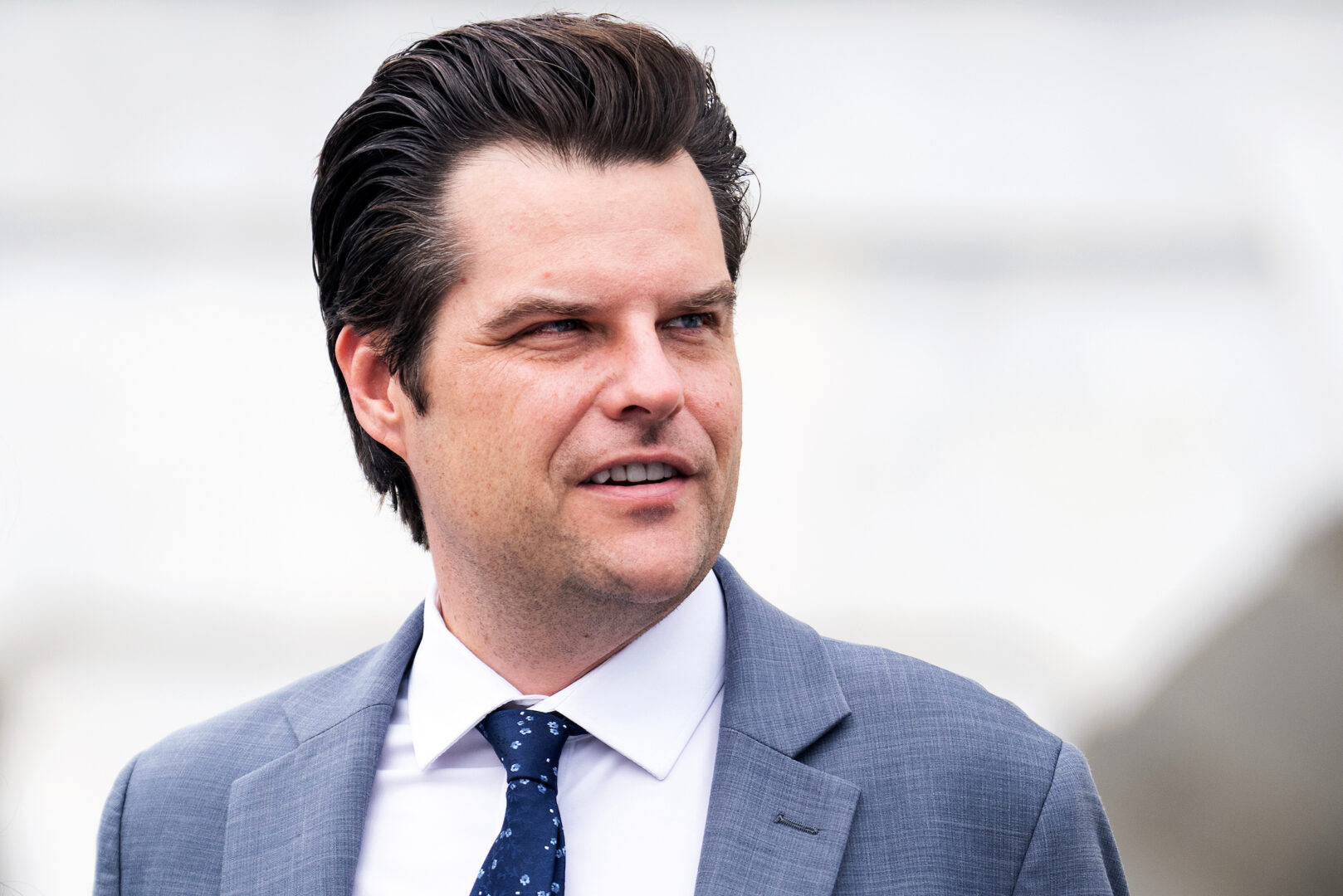
Sen. Bernie Moreno, R-Ohio, said he’d try to bring the bill to the floor next week in the hopes of passing the measure before the chamber leaves for the campaign trail.
Moreno’s bill would impose federal restrictions on the import, sale and operation of vehicles manufactured by countries designated as “foreign entities of concern.” While that broader designation also includes adversarial nations like Russia and Iran, it is primarily aimed at Chinese vehicles and technologies.
The legislation, co-sponsored by Sen. Elissa Slotkin, D-Mich., is aimed at preventing both negative economic impacts to the American auto industry and national security issues posed by remote accessibility technologies in cars manufactured by Chinese companies.
Moreno earlier had said he planned to seek unanimous consent on Thursday but ultimately backed off under the assumption there would be at least one objection.
“This is a bill that has almost 100 out of 100 senators on board,” Moreno said Thursday. “People have totally different ideological points of view, but on this we’ve united — which is we cannot allow this threat to happen.”
A source familiar with the talks said plans for the UC request stalled Thursday due to an intended objection from Sen. Rand Paul, R-Ky. Discussions will continue over the weekend to try to resolve Paul’s concerns ahead of another try next week, the source said.
Paul’s staff did not respond to a request for comment on his concerns with the measure.
Moreno described himself as “confident and hopeful” that the Senate could pass the bill next week and that the House would take up a companion bill led by Reps. John Moolenaar, R-Mich., and Debbie Dingell, D-Mich., and ultimately “get this bill in the hands of the president.”
“And I know that he feels the same way I do, which is we’re not going to let these cars into our market. We’re going to make certain that we defend the U.S. auto industry,” Moreno said.
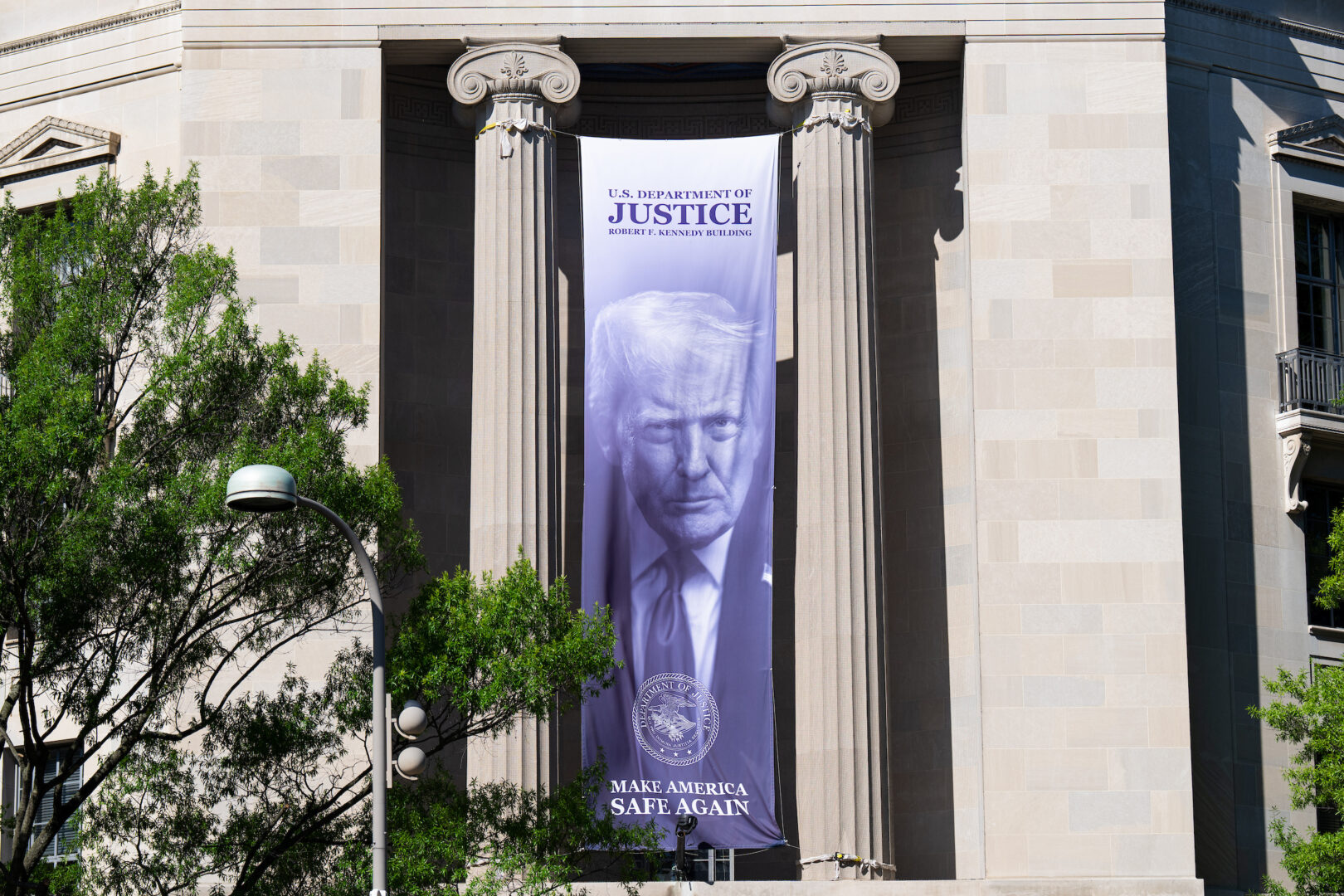
Trump was meeting with Xi in Washington on Thursday, where trade and tariffs, national security and artificial intelligence could come up in the talks.
Auto industry powerhouse
During his remarks on the floor Thursday, Moreno stressed the need to remain economically competitive against the Chinese auto industry, which has been heavily subsidized by that country’s government since at least 2009.
In the intervening years, China has become a powerhouse in auto sales around the world, flooding international markets with cars built and sold at a cheaper price point. Moreno warned Thursday that dominance, if allowed to infiltrate U.S. markets, could severely harm the auto industry that he said “uniquely” built the American middle class.
“General Motors, Ford, Toyota, you name it — they can compete with any car company on Earth. They can’t compete with a country that’s hell bent on total conquest,” he said.
Still, despite broad bipartisan support, some concerns around ownership provisions emerged during the July 22 markup of the bill by the Senate Commerce Committee.
The Trump administration already applies a 100 percent tariff to Chinese electric vehicles, and the Commerce Department has a prohibition in place on Chinese cars made with connectivity software. The combined effect is to keep out Chinese brands like BYD and Geely out of the U.S. market.
The Senate and House bills would codify those restrictions. But the measure’s ownership restrictions sweep in a number of automakers that have Chinese ownership stakes, such as EV maker Polestar, Volvo and Lotus — and another popular high-end brand, Mercedes-Benz, that’s a big focus of lobbying around the bill.
During the July markup, Commerce Chairman Ted Cruz, R-Texas, said the bill’s restrictions on companies with over 15 percent Chinese ownership could harm the bill’s chances on the floor due to potential impacts on companies with a major footprint in the U.S., primarily Mercedes-Benz.
Moreno said at the time that the bill was “absolutely not targeting Mercedes-Benz,” noting that companies would have until 2030 to come into compliance with the bill’s requirements. It also includes a “robust waiver process,” he said.
The bill was ultimately approved by the committee via voice vote.
Moreno has said he’s open to changes to ensure Mercedes-Benz, which is nearly 20 percent owned by two Chinese shareholders, would not be affected by the bill.
“There’s no scenario on earth that we will ban Mercedes-Benz vehicles from the United States of America,” Moreno said in a July 27 interview with CBT News, an automotive industry publication. “There’s an easy path to a resolution and we’ll work it out.”
Moreno, a former car dealership owner who got his start buying a Mercedes-Benz dealership, said he’s working closely to allay fellow car dealers’ concerns about the bill.
In a statement Thursday, the National Auto Dealers Association said the group supports the “policy goals” behind Moreno’s bill, including its ban on Chinese branded cars with connectivity systems in the U.S. market.
There were other concerns expressed at the July markup, including about restrictions on battery management systems in EVs and hybrids containing Chinese components. An amendment offered by Sen. Tammy Duckworth, D-Ill., to exempt battery management systems from the restrictions was defeated 9-19 but received bipartisan support.
Moreno told CBT News he wouldn’t budge on that amendment, which he said was intended to help Rivian, the EV truck company that manufactures in Duckworth’s home state. He said the risk of remote-controlled battery packs igniting on U.S. roads was too great.
‘Spy machine on wheels’
In remarks on the floor Thursday, co-sponsor Slotkin emphasized the national security implications of allowing Chinese vehicles and technologies into the U.S. market. She served in the Central Intelligence Agency and the Defense Department before being elected to Congress in 2018.
“It is literally a driving spy machine on wheels,” Slotkin said. “All of that data and all of that information goes back to Beijing.”
She noted the vehicles’ “high-end video”, light detection, geolocation and remote accessibility for ignition, acceleration and steering — saying these “provide a threat to the everyday American and our national security.” In theory, the remote technologies could allow a nation like China to remotely control cars on American roadways.
Slotkin emphasized the bill’s strong bipartisan backing — in addition to support from automakers, labor groups and other industry representatives — before noting the rarity of such broad support in a “partisan environment”.
“Now, [Moreno] and I don’t agree on everything, but we certainly agree that letting in these cars, subsidized by the Chinese Communist Party, would be the beginning of the end of the American auto industry,” Slotkin said. “That’s not going to happen on my watch. I know that’s not going to happen on his watch.”
While Moreno said he hoped to bring the bill to the floor next week, the Senate is running out of time and has a few other items left on its to-do list before the elections. If the bill can’t pass by unanimous consent next week, it seems unlikely Senate GOP leaders would try to force a time-consuming vote.
Moreno has said another possible vehicle, which would have to wait for the lame-duck session, is the annual defense authorization bill.