Vulnerable Republican senators stick with Trump on votes since 2025
Only Maine's Susan Collins has cast votes in opposition, CQ Roll Call analysis finds
The six Republicans who made CQ Roll Call’s latest list of the most vulnerable senators have been almost uniformly supportive of President Donald Trump’s priorities since his return to office.
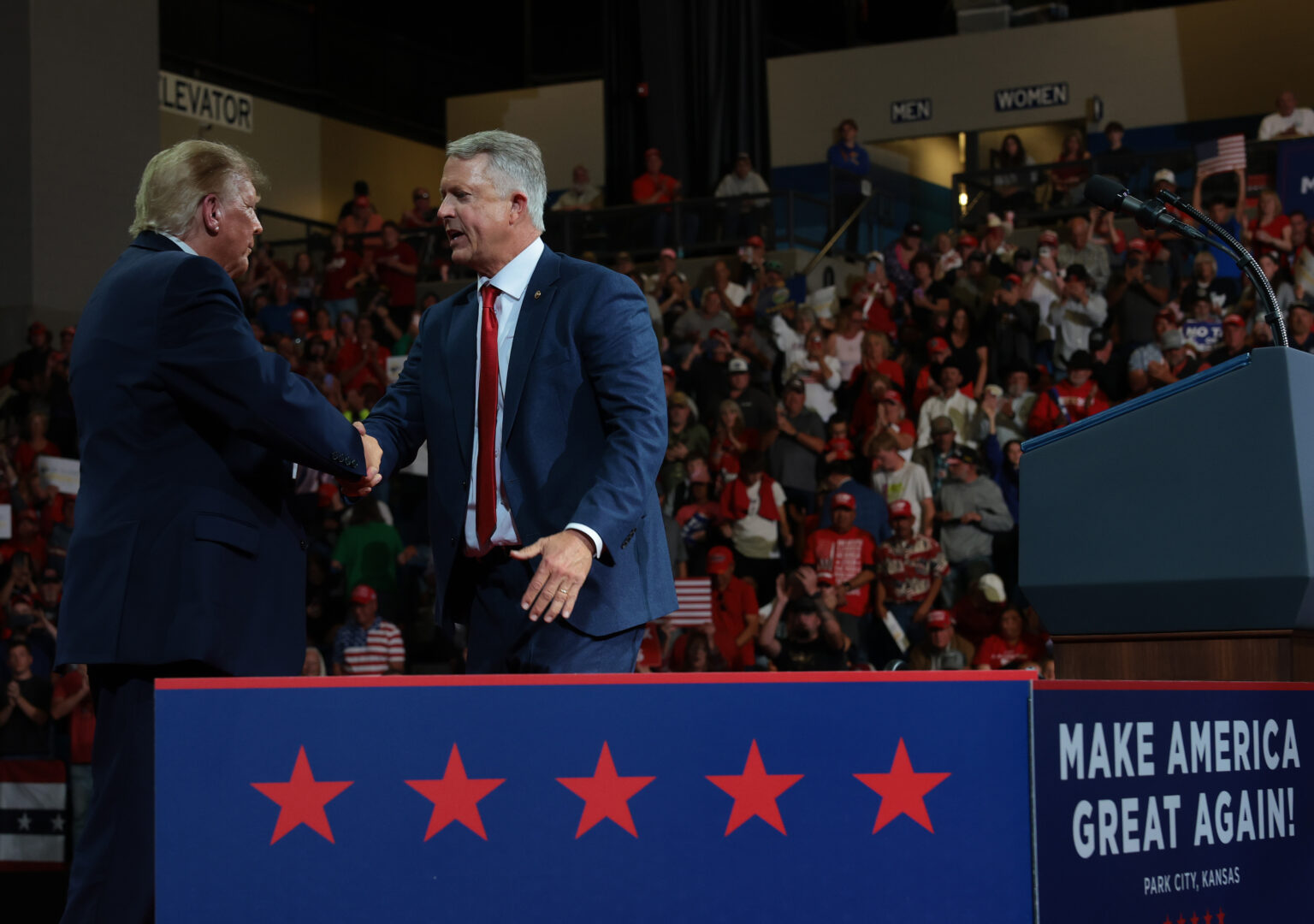
In fact, five of them – Ohio’s Jon Husted, Alaska’s Dan Sullivan, Kansas’ Roger Marshall, Nebraska’s Pete Ricketts and South Carolina’s Darline Graham, who only took office in July – have not cast a single vote in opposition to Trump over the past two years, according to a CQ Roll Call analysis of Senate votes on which the White House took a position. All five represent states that Trump carried in each of his three elections.
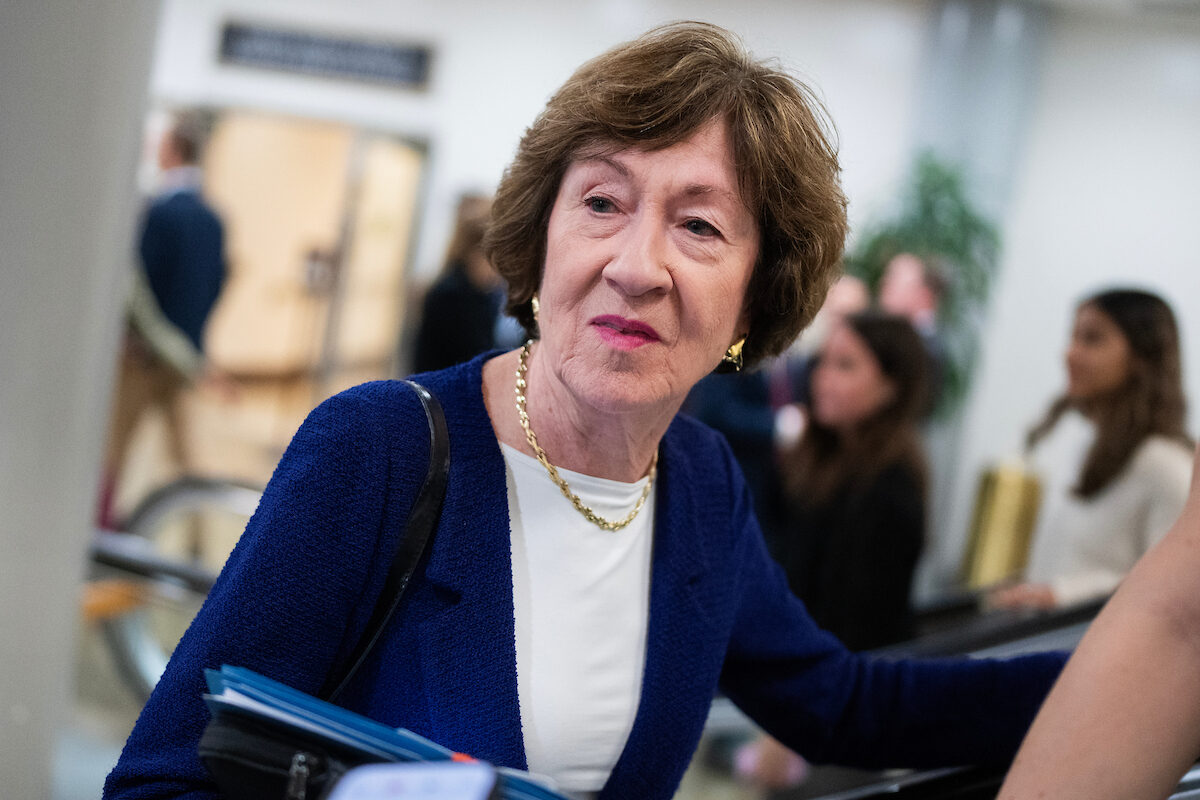
The exception is Sen. Susan Collins. The Maine Republican has voted in alignment with the president’s public position 92 percent of the time between the start of his second term and Wednesday, when senators left Washington for the campaign recess. Only two GOP senators had lower scores: Kentucky’s Rand Paul (85 percent) and Alaska’s Lisa Murkowski (90 percent).
Collins, the lone Republican senator to represent a state that Trump has never won, is again drawing heat for her voting record in a high-stakes reelection race that could be critical to deciding control of the Senate.
She was in a similar position six years ago, when her presidential support score during Trump’s first term was at 90 percent, including two votes to acquit him at his 2019 impeachment trial. But enough Maine voters split their tickets to help reelect Collins, who outperformed Trump by 7 points (taking 51% of the vote to the president’s 44%).
Vice President JD Vance previewed this year’s battle lines at a May rally in Bangor, Maine.
“Sometimes I get frustrated with Susan Collins. I almost wish that she was more partisan,” he said. “But the thing I love about Susan is she is independent because Maine is an independent state.”
Whether Collins is sufficiently independent for Mainers to win a sixth term this year has been fiercely debated in the months since, with some liberties taken along the way.
The campaign of her Democratic opponent, Troy Jackson, recently launched a new site that proclaims, “Susan Collins votes with Donald Trump 96 percent of the time,” in a bold red banner across the top.
The higher rate comes courtesy of a Bangor Daily News article that cited CQ Roll Call data but is now more than a year out of date and covers just the votes taken over the first seven months of Trump’s second term.
The first year of a new administration typically sees inflated presidential support numbers, thanks to the overwhelming share of nomination votes, on which senators – particularly of the president’s party – usually show him deference. Over the first seven months of 2025, 137 of 171 of the Senate’s presidential support votes were on his nominees, CQ Roll Call’s analysis found. Collins broke with Trump on just three of these.
Still, Collins’ campaign has been touting her independence, and the White House has granted her campaign some polite distance. Trump has not visited Maine in his second term, and Collins cited scheduling or voting conflicts that prevented her from sharing a stage with Vance during his two stops in Maine this year.
She also skipped last month’s Republican midterm convention in Dallas, saying, “It’s much more important for me to be traveling the state, meeting with constituents, hearing their concerns and talking about my record.”
In total, over Trump’s years in office, including his first term, Collins supported his position 90 percent of the time. Sullivan, the only other vulnerable GOP senator to serve during Trump’s first term, is at 98 percent.
Over that period, Collins has opposed Trump’s position on 76 votes. Among Republicans, only Paul has done so more often, at 103 times.
Democrats, though, argue that Collins seldom splits from her party unless the outcome is a foregone conclusion or she has company from other Republicans.
Of the 76 votes Collins cast in opposition, Trump’s position lost on 26 of them. Only in three of those was Collins’ vote decisive, most notably in 2017 when she and fellow Republicans John McCain and Lisa Murkowski dramatically helped save the Affordable Care Act by a single vote.
Conversely, Collins’ vote was decisive in Trump’s favor on 20 occasions over the same six-year stretch: 14 nominations, five repeals of Obama-era regulations, and a 2018 vote attempting to avert a government shutdown by extending existing appropriations and adding more than $5 billion for Trump’s border wall project.
The lone Democrat on CQ Roll Call’s recent list of most vulnerable senators is Georgia’s Jon Ossoff. His presidential support score since Trump took office last year is 10 percent, putting him right in the middle of the pack among the 47 senators of the Democratic Caucus.