Appropriators ponder alternatives to annual shutdown threats
Lankford proposal would provide automatic stopgap spending measures before a funding lapse
As Congress struggles, yet again, to pass a funding extension to head off a government shutdown this fall, House appropriators took some time Wednesday to think about other ways of doing business.
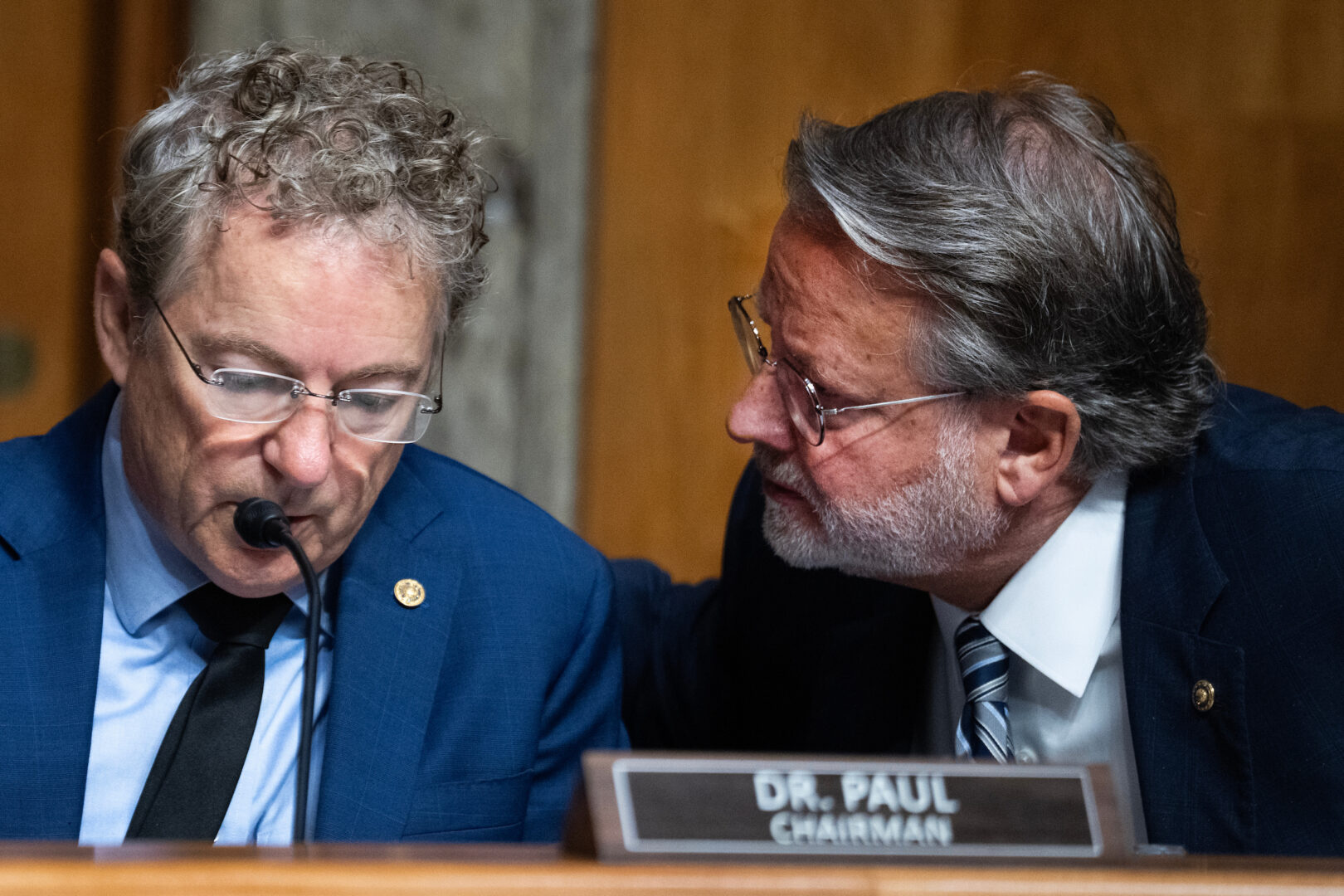
For more than three hours, the Appropriations Committee debated the merits of tweaking the budget process in an effort to take shutdowns off the table — or at least make them less likely.
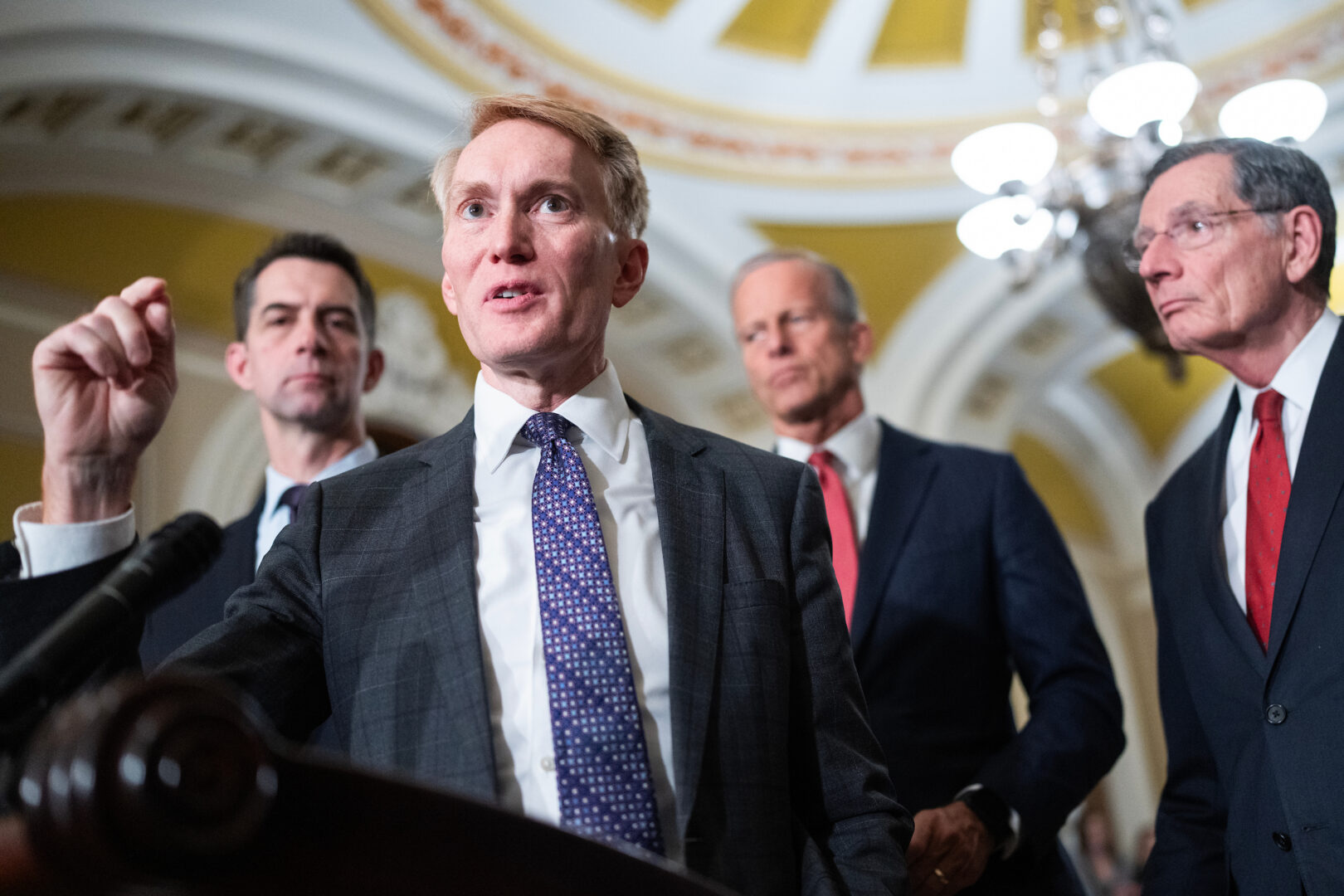
A key witness at the hearing was Sen. James Lankford, R-Okla., who is pushing a bill that would eliminate the risk of shutdowns by providing for automatic stopgap spending measures when a funding lapse is about to occur. It would extend funding for 14 days at a time while lawmakers try to reach a full-year appropriations deal.
Lankford argued his proposal could help push both parties to negotiate during a funding lapse by requiring members to stay put, while allowing federal workers to continue to receive pay.
“We all have to stay here, and it is required in this,” Lankford said. “We have a quorum call every day. We cannot go into recess for more than 23 hours, so it requires everybody to be here.”
But Democrats argued that a default to automatic extensions would become a crutch that avoids the need for tough negotiations on funding priorities.
In her opening remarks, Rep. Rosa DeLauro of Connecticut, top Democrat on the committee, said “auto-CRs are permission never to finish the process at all” and that “permanently funding the government would incentivize some in this Congress to harden their positions.”
Another key witness, Rep. Tom McClintock, R-Calif., is seeking legislation that would allow for the same expedited Senate consideration of full-year appropriations bills granted for legislation passed via budget reconciliation. Reconciliation bills, which avoid the risk of a filibuster, can pass the Senate with a simple majority instead of needing 60 votes.
Rep. Steve Womack of Arkansas, a senior Republican appropriator, argued McClintock’s bill could go “a long way toward fixing the problem by requiring expedited procedures in the Senate,” pointing to filibuster rules as a key holdup for funding.
Rep. Ken Calvert, R-Calif., another senior appropriator, also raised the idea to “rethink the filibuster” to Lankford during the hearing. But Lankford resisted, defending the Senate filibuster while saying the problem is that lawmakers are “allergic to having bipartisan conversations.”
A third witness, former White House budget director Shalanda Young, warned against increased reliance on continuing resolutions, or stopgap measures that extend funding without allowing for changes to meet critical needs.
Federal agencies “can’t make big decisions until full-year bills are done,” Young said. “So, if that’s six months later, the Army, Navy can’t go into long-term procurements on new things,” Young told members, while state and local governments would be deprived of heating assistance and other grants for low-income households.
The debate came in the committee’s last scheduled hearing before the House is set to leave Thursday for an extended summer recess. When the chamber reconvenes on Aug. 31, it will be facing a tight time crunch to pass a stopgap bill before the Oct. 1 deadline.