Bill to ban certain Chinese cars approved by Senate panel
Measure would prevent a ‘massive national security threat,’ sponsor Bernie Moreno says
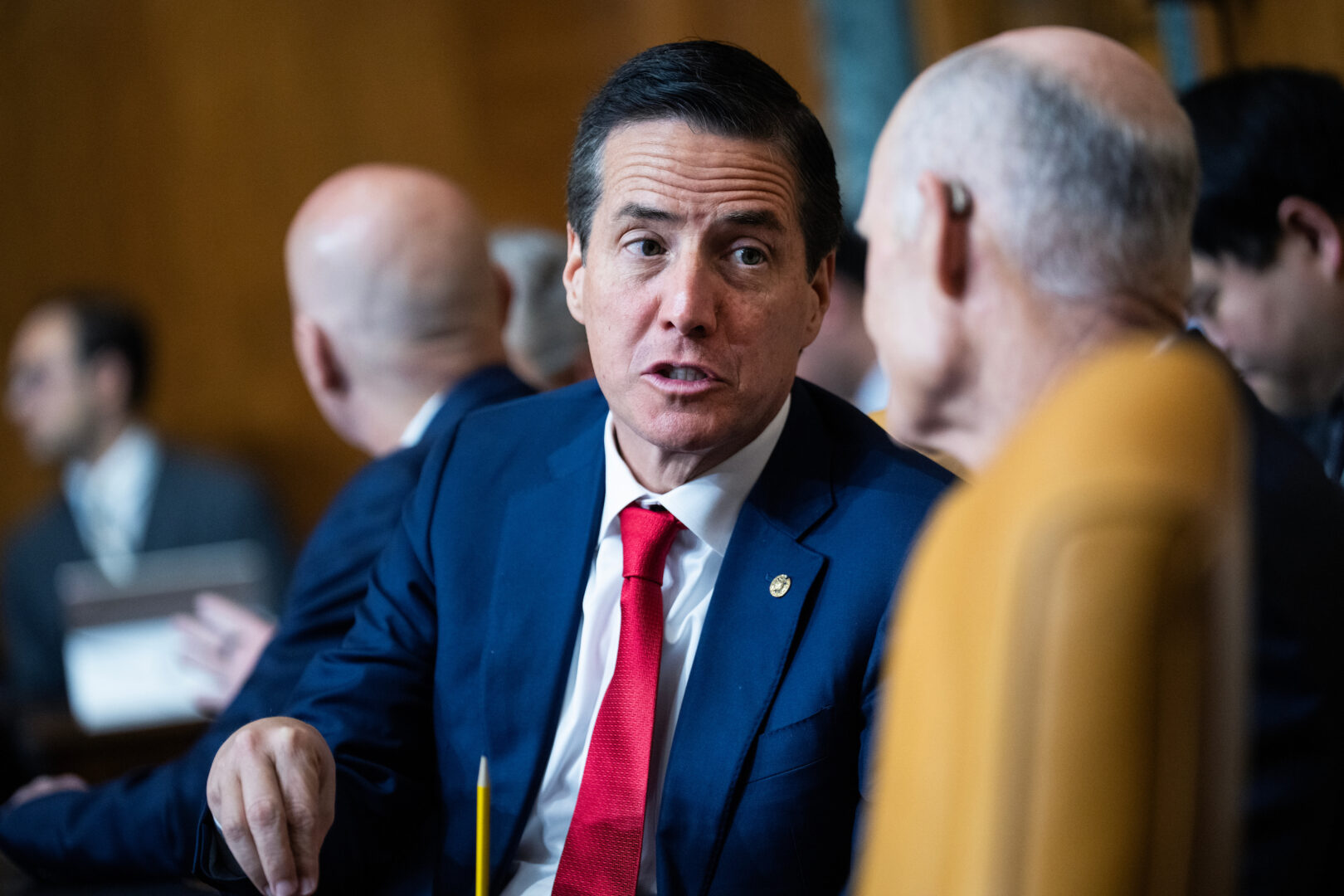
The Senate Commerce, Science and Transportation Committee approved a series of six nominations and seven bills on Wednesday, including a measure to limit the use of vehicles and vehicle technologies developed by foreign entities of concern on American roadways.
The bill, introduced by Sen. Bernie Moreno, R-Ohio, and co-sponsored by Sen. Elissa Slotkin, D-Mich., would ban the import, sale and operation of vehicles manufactured by companies deemed “foreign entities of concern,” based in certain adversarial nations such as China. It would also ban the use of technologies developed by such countries, including Chinese-developed connected vehicle technologies, in the U.S.
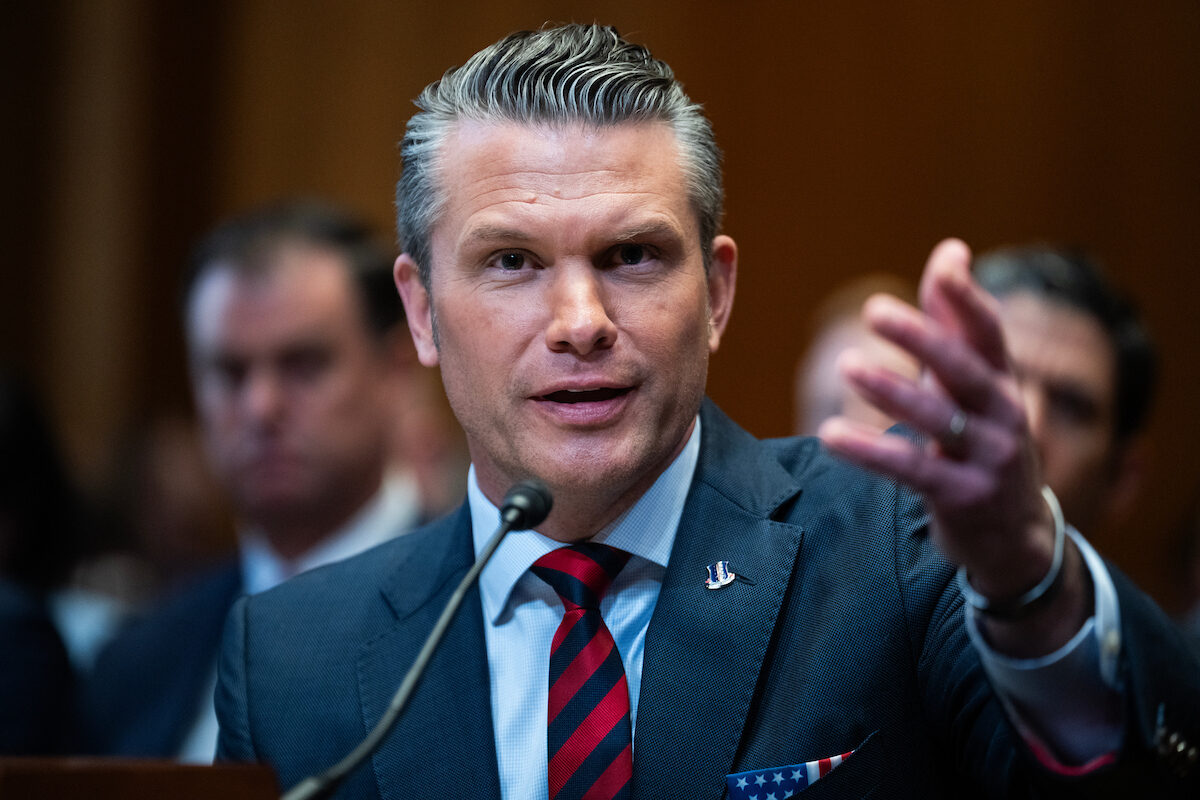
“This is a very simple thing that we’re doing today, and quite frankly, I wish our allies had done this before. What we’re doing is we’re preventing a massive national security threat,” Moreno said. “Now, I don’t want anybody listening to this to worry about their automobile, but your automobiles today are roving electronic devices.”
He explained that remote accessibility technologies — including remote lock and ignition controls — are a concern when the companies that made the vehicles or technologies are deemed foreign entities of concern, or FECs. Those governments, Moreno said, would be able to take control of vehicle owners’ steering, braking and acceleration.
“That, obviously, is an intolerable national security risk,” he said.
Additionally, Moreno said, the bill would protect against economic threats to American car companies and provide consumer protections in the event that Chinese car companies go out of business, leaving owners without warranties or spare parts.
Two amendments to the bill were offered Wednesday, but ultimately rejected and withdrawn, respectively.
One amendment, from Sen. Tammy Duckworth, D-Ill., would align the bill’s definition of “connected vehicle hardware” with existing security rules from the Commerce Department — a less stringent standard that focuses on banning specific parts and hardware from FECs.
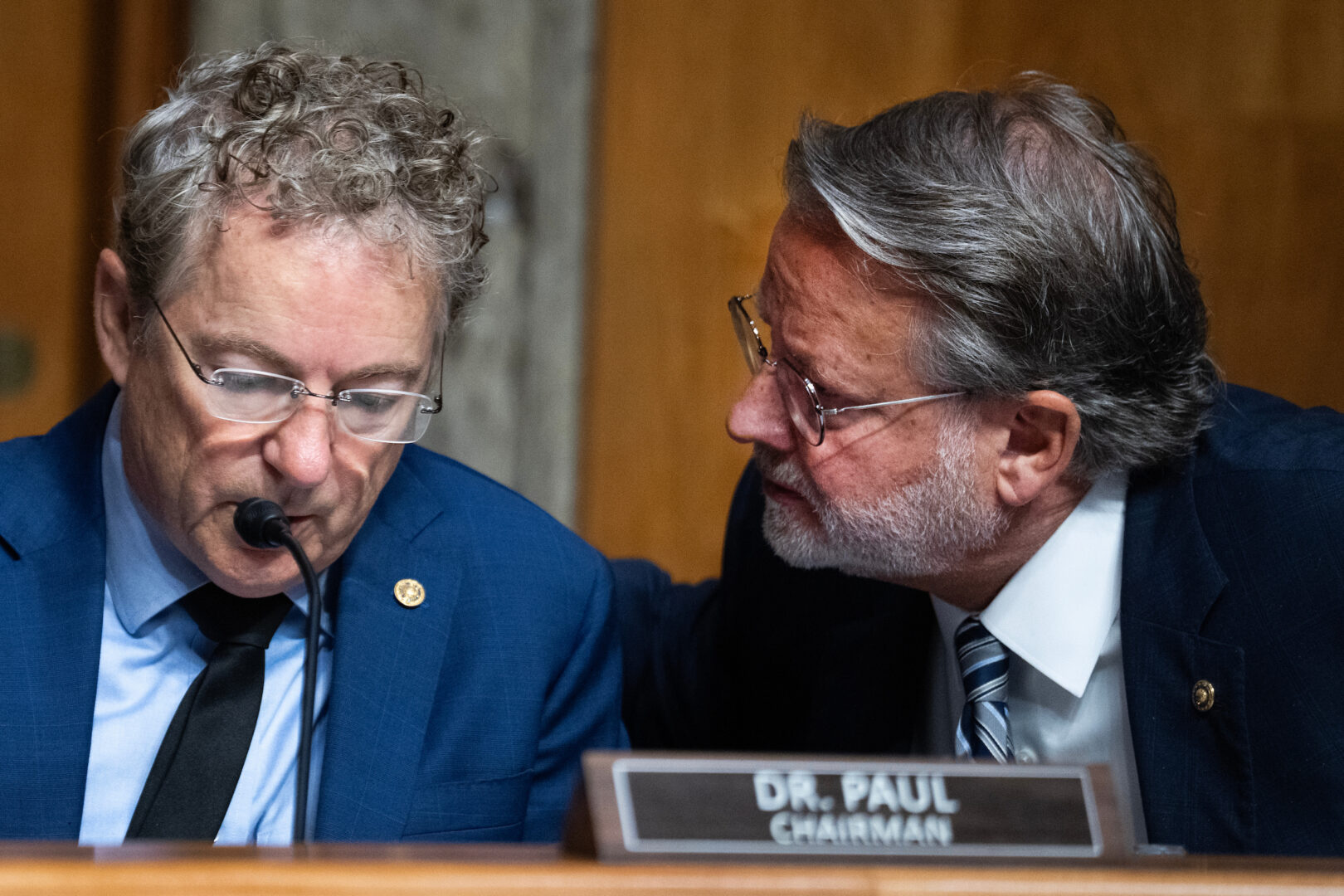
Duckworth’s amendment received support from Commerce Chairman Ted Cruz, R-Texas, who called the underlying bill’s definition “overly broad,” and ranking member Maria Cantwell, D-Wash., among others.
Cruz argued language in the Moreno bill could impact the use of foreign batteries and result in higher costs for consumers, when targeting wireless battery communications would suffice to protect against national security threats. Cruz said the language as currently drafted would force car manufacturers to use General Motors batteries that cost around $5,000 more per vehicle.
GM manufactures batteries in Slotkin’s home state of Michigan and has a joint venture with South Korea-based LG Energy Solution that manufactures batteries in Ohio, Moreno’s home state, as well as Tennessee.
Moreno rebutted the concerns, saying supply chain provisions in the bill allow the industry years of lead time before they take effect in 2030.
The Duckworth amendment was voted down, 9-19.
Another amendment, offered and then withdrawn by Cruz, would soften a provision to bar companies with over 15 percent Chinese ownership from selling cars in the U.S. Cruz’s amendment would instead adopt language from the Committee on Foreign Investment in the United States, which requires transactions involving foreign stakes in U.S. companies, that takes a variety of factors into account.
Won’t you buy me a Mercedes-Benz
Cruz said he supported the underlying bill, but cautioned that provision could prevent it from becoming law because of impacts it would have on companies like Mercedes-Benz that fall outside of that threshold. Stakes held by Chinese investors total nearly 20 percent, according to Mercedes-Benz, which has U.S. manufacturing plants in Alabama and South Carolina.
“This is absolutely not targeting Mercedes-Benz,” Moreno replied, noting the provisions don’t take effect until 2030 and include “a robust waiver process.”
“What we will certainly never do, nor anybody would intend to do, is to ban the sale of Mercedes-Benz automobiles in America,” Moreno said. “That is obviously something that we would never, ever even consider.”
That argument didn’t mollify Cruz, who agreed to support the measure in committee but cautioned it won’t get through the full Senate with the bright-line ownership test intact.
The Moreno-Slotkin bill was ultimately approved by voice vote.