Supreme Court rules ballroom construction can continue
Roberts broke from his fellow conservative justices to oppose the government’s stay request
In a split decision Monday, the Supreme Court ruled construction of the White House ballroom could continue, saying the group bringing the lawsuit lacks standing to challenge the project and the government is likely to prevail.
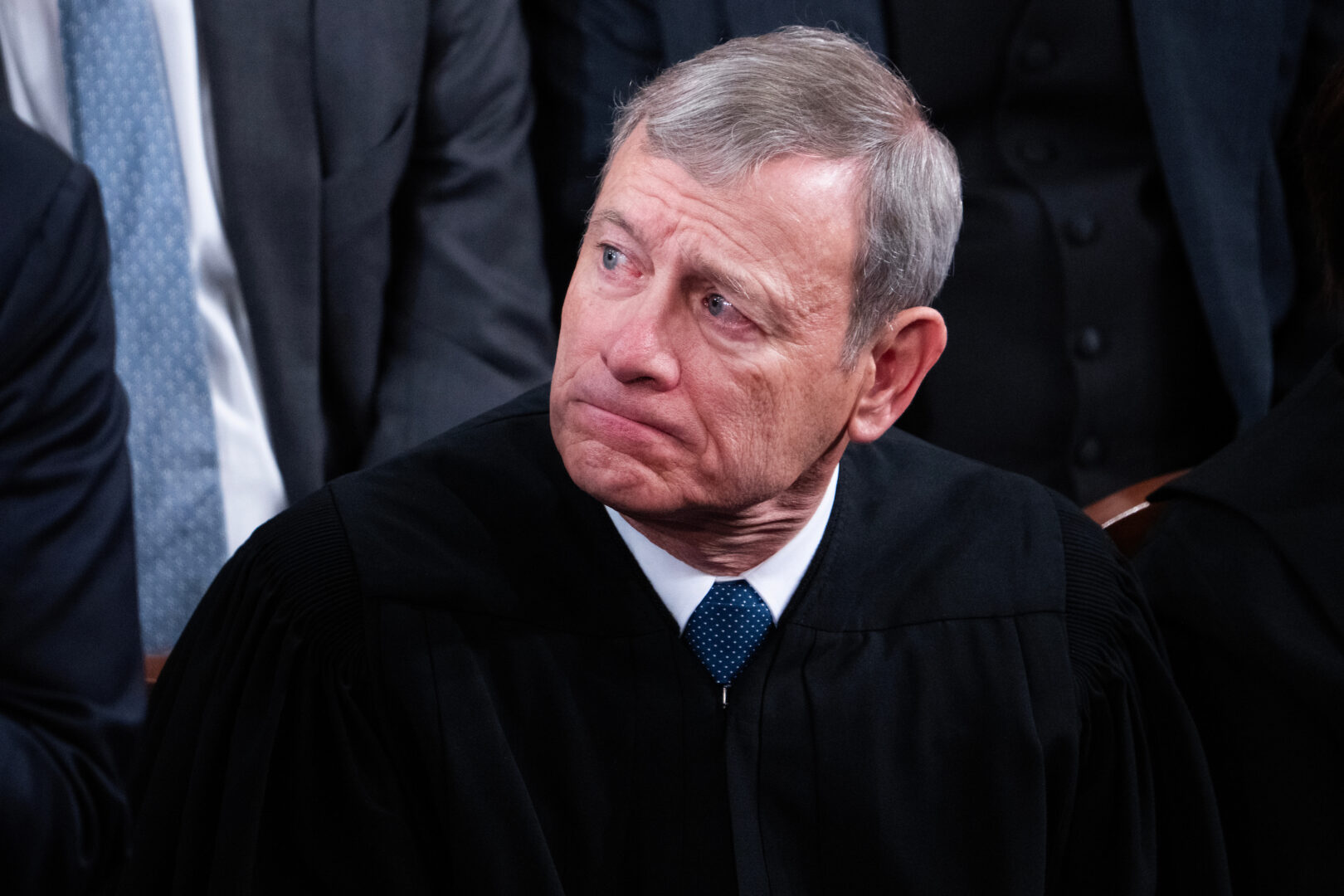
The decision came after a one-sentence temporary order signed by Chief Justice John G. Roberts Jr. on Aug. 21 stayed a preliminary injunction issued by the U.S. District Court for the District of Columbia — later upheld by the U.S. Court of Appeals for the D.C. Circuit — that would have stalled above-ground construction while the case proceeds.
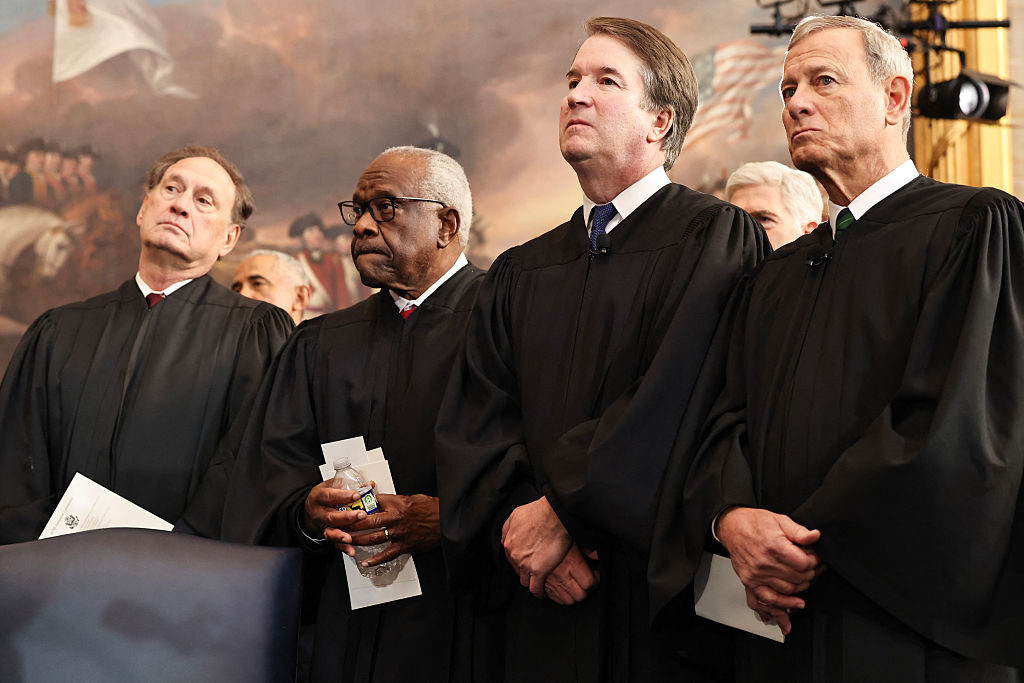
While unsigned, Monday’s opinion appears to have fallen 5-4, granting a stay on the injunction while the matter is considered by the lower courts. A dissenting opinion signed by Roberts, along with liberal justices Sonia Sotomayor, Elena Kagan and Ketanji Brown Jackson, indicates the court’s remaining conservative justices — Clarence Thomas, Brett M. Kavanaugh, Amy Coney Barrett, Samuel A. Alito Jr. and Neil M. Gorsuch — carried the decision.
While granting the stay, the justices did not address the underlying legality of the project.
“Today, we do not pass upon the legality of the government’s East Wing project. We conclude only that, based on the submissions before us, the government is likely to prevail in showing that the [National Trust for Historic Preservation] lacks Article III standing to challenge the project in federal court and that the remaining stay factors favor relief,” the justices wrote.
The lawsuit has been ongoing since Dec. 12, with the Trust arguing demolition of the White House’s East Wing for the planned ballroom violated the Administrative Procedure Act and the National Environmental Policy Act. In part, the group argues the project would have required congressional approval under the law.
In their dissent, Roberts and the liberal justices argued the ballroom’s construction is “likely unlawful,” arguing that congressional authority applies to all of the public grounds of the federal government in Washington.
“The White House is an iconic American building whose symbolism and history are wrapped up in its architecture,” the dissent reads.
It argues further that injuries suffered by the Trust and its membership — including executive committee member Alison K. Hoagland whose “asserted aesthetic injury” the Trust bases part of its case on — constitutes grounds for standing in the case.
“The White House is not just any building, and—when it comes to historic preservation — Hoagland is not just any person,” the dissent continues. “In failing to appreciate as much, the Court misconceives the plaintiff ’s injury, allowing the Executive’s likely infringement of the Legislature’s power of the purse and authority to regulate federal property in the District of Columbia to continue. Today’s decision is no victory for the separation of powers.”
In a statement released after the ruling, Brent Leggs, the Trust’s president and CEO, said the group was “deeply disappointed” with the outcome and “respectfully disagree with the majority’s opinion on standing.” However, he said, “It is noteworthy that the majority did not weigh in on whether the ballroom project was in fact legal.”
The Trump administration has argued that it has broad authority over construction on the White House grounds and that the project responds to national security threats.
With construction on the facility allowed to continue as the case proceeds in lower courts and the reported speed of progress, much of the work could be completed before the case concludes.
John T. Bennett contributed to this report.