This week: Graham’s death, McConnell’s recovery add to drama
House leaders try to unfreeze the floor, while a grieving Senate looks to NDAA, confirmation hearings
Independence Day recess ended Sunday with two explosive developments within the Senate GOP: the death of Budget Chairman Lindsey Graham, R-S.C., who died Saturday night, and a much-awaited health update from former Majority Leader Mitch McConnell of Kentucky.
The latter issued a statement Sunday evening confirming that, contrary to rumors online, he was very much alive: McConnell said he’d suffered a fall on June 14 — after a childhood bout of polio — and then suffered from pneumonia after that.
He said he’s recently been moved from a hospital to a rehab center, but he’s not yet able to return to the Senate floor to vote. Rest assured, he told constituents, “I’m not taking a break from the Senate business that matters to you.”
As proof that his statement wasn’t a hoax, McConnell issued his release with a photo of himself and wife Elaine Chao, with the senator holding a copy of the July 12 Washington Post sports page.
The news that Graham, who had just returned from a meeting abroad with Ukrainian President Volodymyr Zelenskyy, had died abruptly was another stunner: Graham, a close friend of the president, was 71.
He was widely expected to be easily reelected in November, and his death opens up speculation about who will replace him on the GOP ticket in November. South Carolina Gov. Henry McMaster is permitted to name a temporary replacement for Graham in the interim.
The rapid-fire weekend developments bring further flux to an already uncertain legislative future just weeks ahead of the August recess.
Lawmakers fled their woes in Washington ahead of the July 4 holiday in turmoil over a sweeping Trump-backed voter ID and election bill that has divided Republicans. In the Senate, there’s still not enough support to pass the package or to “TERMINATE THE FILIBUSTER,” as the president once again urged Friday.
As a result, GOP holdouts had ground the House floor to a halt in protest in June, voting down a procedural rule to advance a massive fiscal 2027 defense authorization package and the National Security-State spending bill as they vented their anger at the Senate over the voter ID issue and searched for leverage on their priorities.
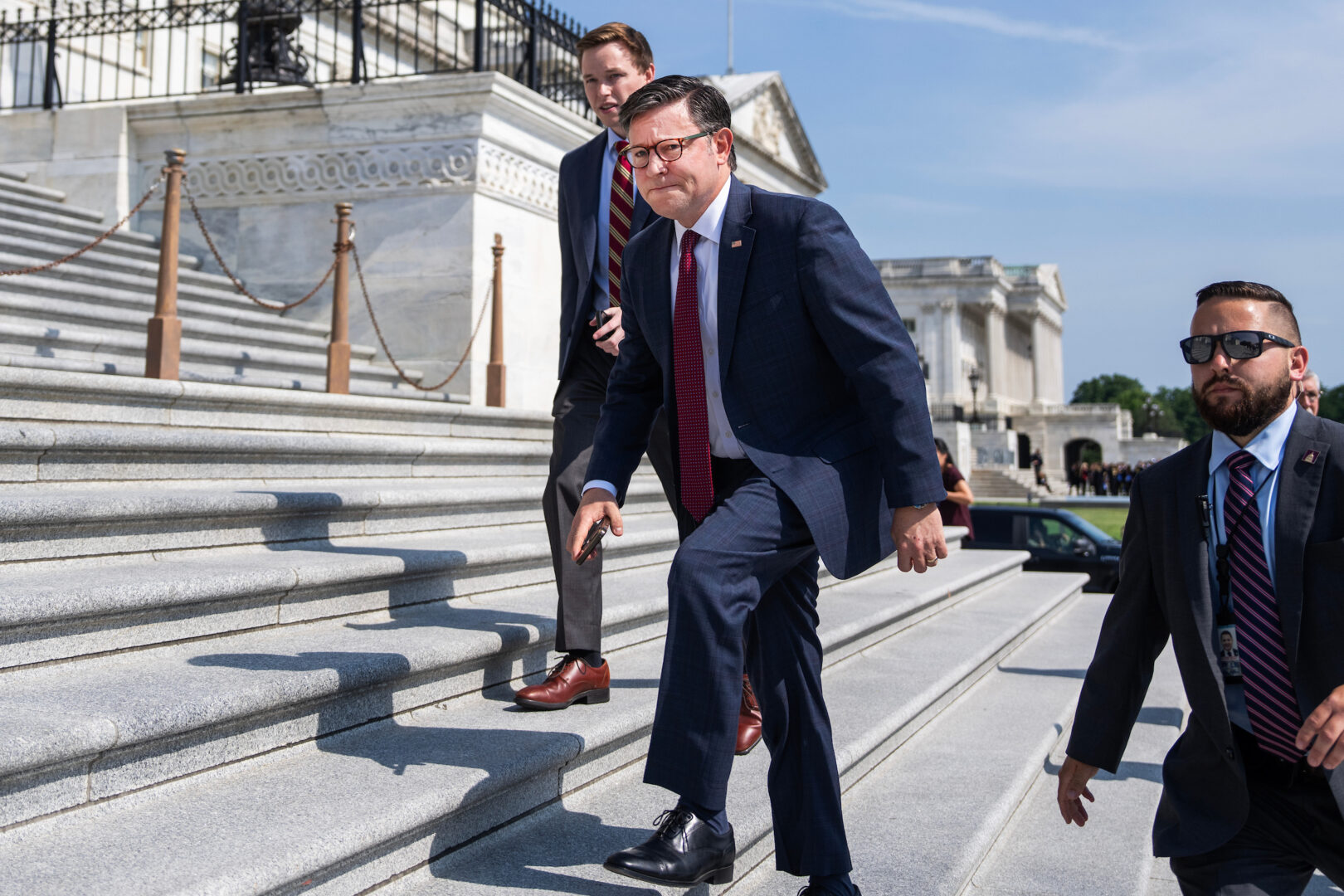
Still smarting from that loss, Speaker Mike Johnson, R-La., had said he was seeking an “irresistible” solution to appease his colleagues and free up the floor. This week he will try again to move the spending bill, along with a major veterans package.
He’s throwing in a measure that holds allure for both Trump and one of his conference’s chief holdouts, Rep. Anna Paulina Luna — a bill that would make daylight saving time permanent. Led by fellow Florida Rep. Vern Buchanan, that proposal appeals to lawmakers in the Sunshine State and other tourism-heavy places that could benefit from more evening light.
Meanwhile, the Senate is planning to start debating its own version of a $1.15 trillion fiscal 2027 NDAA. The Senate Armed Services Committee approved the sprawling defense policy bill last month, and Majority Leader John Thune, R-S.D., filed cloture on the motion to proceed before recess, setting up a procedural vote this week to start floor consideration — and votes on at least some of the minimum 729 amendments filed so far.
The NDAA — which usually receives broad bipartisan support — could face some opposition from Democrats over the reignited war with Iran, which will be front of mind for senators as the debate gets underway. Democrats are likely to seek votes to spotlight the unpopular conflict as the midterm elections draw near.
For example, Sen. Brian Schatz, D-Hawaii, said in a Saturday social media post that he will break his own pattern and vote against the NDAA this year.
“We haven’t even had an up or down vote to authorize this war in the first place,” wrote Schatz, who is a member of the Defense Appropriations Subcommittee and the Foreign Relations Committee. “Trump wants a 50 percent increase at DOD – they expect money without accountability or strategy. I usually vote yes on NDAA but this is an easy call for me.”
Graham’s death shrinks Senate Republicans’ already thin majority during a crucial time, at least temporarily. Coupled with McConnell’s absence, Thune’s majority is currently down from 53 to 51.
Confirmation watch
The Senate will also host two high-stakes confirmation hearings Wednesday.
The Senate Intelligence panel will finally hear from Jay Clayton, nominated to take over as director of national intelligence, at a hearing rescheduled from last month. Trump had ordered Clayton not to appear at his first hearing as part of the president’s pressure campaign on the Senate and his threat to not approve any reauthorization of Section 702 of the Foreign Intelligence Surveillance Act unless the separate voter ID bill was attached.
Monday marks a month since the spy powers authority went “dark,” and lawmakers on both sides of the aisle are eager to get the lights back on.
The Judiciary Committee will examine acting Attorney General Todd Blanche to run the Justice Department, a hearing that could be particularly feisty as Democrats look to highlight several controversial decisions he’s made. Those include setting up a now-blocked $1.8 billion “anti-weaponization” fund that could benefit Trump’s allies, handling of the release of documents and investigative materials related to deceased sex offender Jeffrey Epstein, and the DOJ’s probes of so-called enemies of the president.
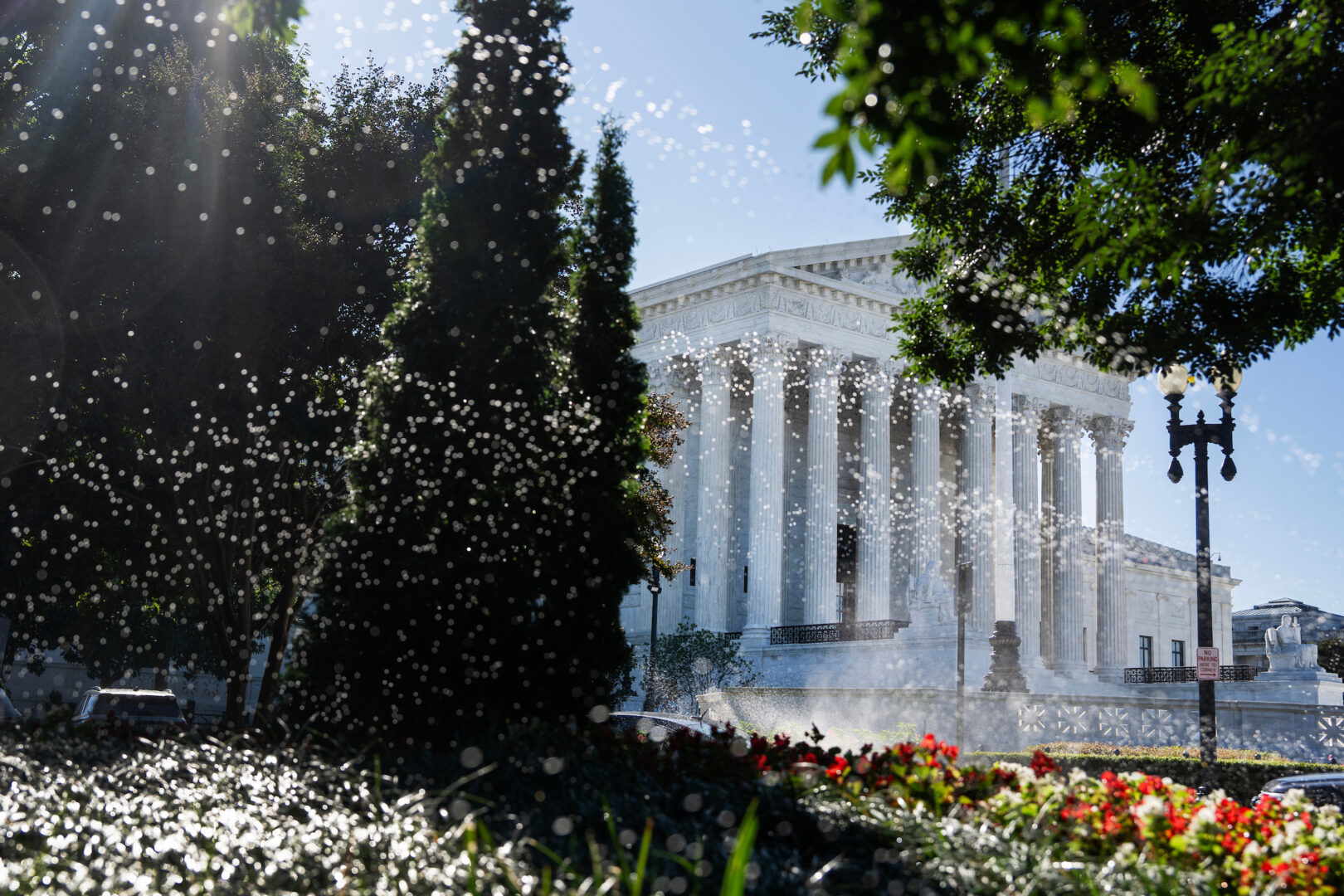
In the House, Supreme Court Justices Elena Kagan and Amy Coney Barrett will come before the Financial Services Appropriations Subcommittee on Tuesday to talk about the court’s budget.
House Republicans are also continuing to plot a third budget reconciliation bill, though its chances become more remote with every week that passes, and Graham’s death further endangers any movement in the Senate. Trump and defense hawks want to use the bill to provide up to $350 billion in defense spending, but House conservatives are hesitant to vote for a huge spending bill without offsetting cuts. Some also hope it could be a vehicle for voter ID provisions that would satisfy advocates.
Headed into the week, lawmakers saw one victory, though it wasn’t as flashy as they had hoped. A bipartisan housing package became law, even after Trump abruptly canceled a signing ceremony at the Capitol in June over his unrelated voter ID demands. But legislation can still go into effect without a president’s signature once a waiting period has elapsed, which is what quietly happened over the weekend.
Aidan Quigley, John M. Donnelly and Michael Macagnone contributed to this report.