White House drops executive order for tighter NIH purview
Plan had drawn backlash from key Senate appropriators
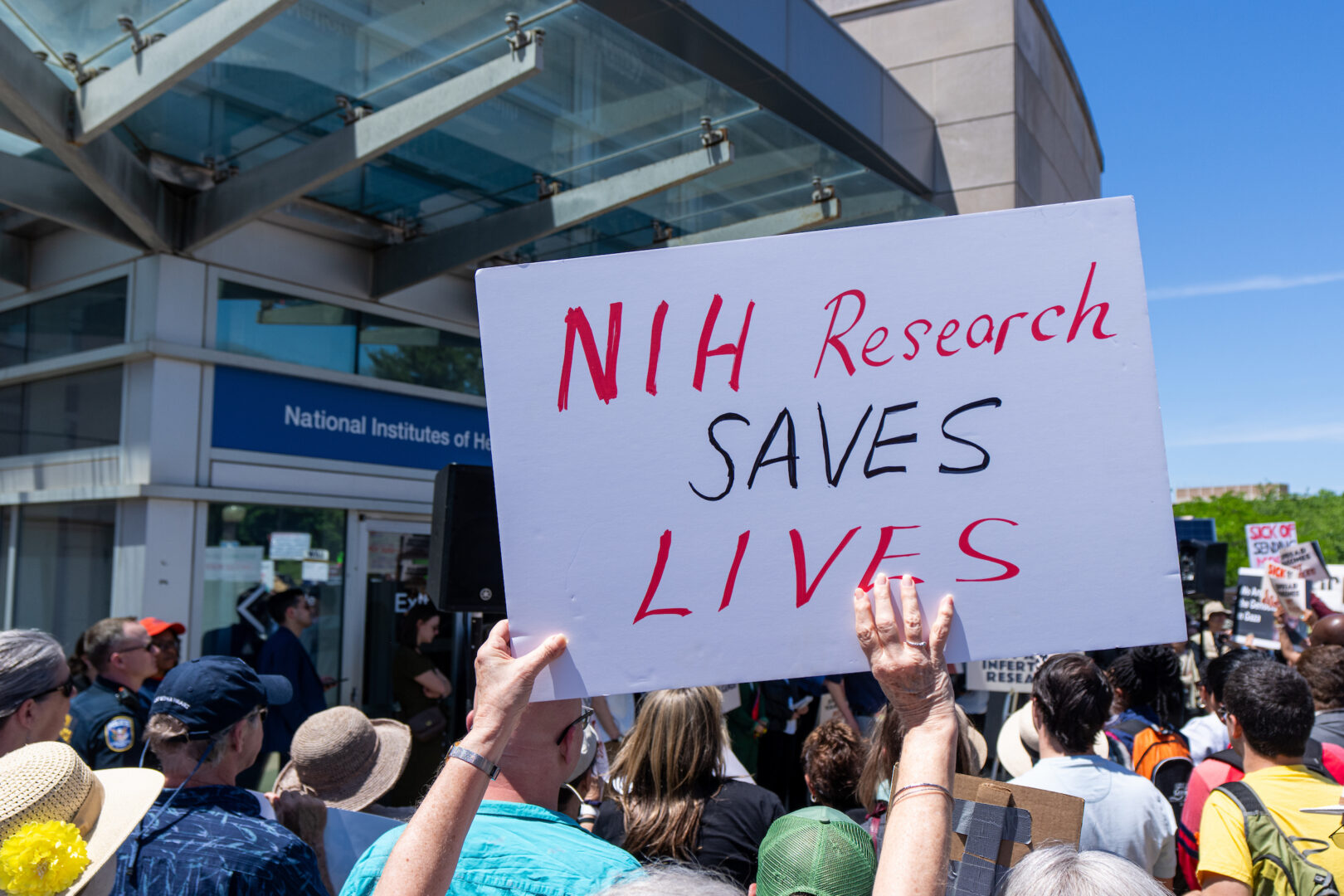
The White House is scrapping plans for an executive order that would give the Trump administration more control over grantmaking at the National Institutes of Health, a person familiar with the matter said Wednesday.
The White House had reportedly held a meeting earlier this week discussing plans for the potential order that would’ve given the Office of Management and Budget discretion over grantmaking at the NIH, which quickly drew backlash from key Senate appropriators.
Sen. Patty Murray, D-Wash., the ranking member of the Senate Appropriations Committee, welcomed the news in a statement Wednesday.
“It shouldn’t take public outcry to prevent President Trump and [Office of Management and Budget director] Russ Vought from laying waste to the NIH and defunding lifesaving research because they think it’s ‘woke’ or want to extort a university,” she said. “This president is on a mission to shred patients and families’ hopes for new treatments and cures.”
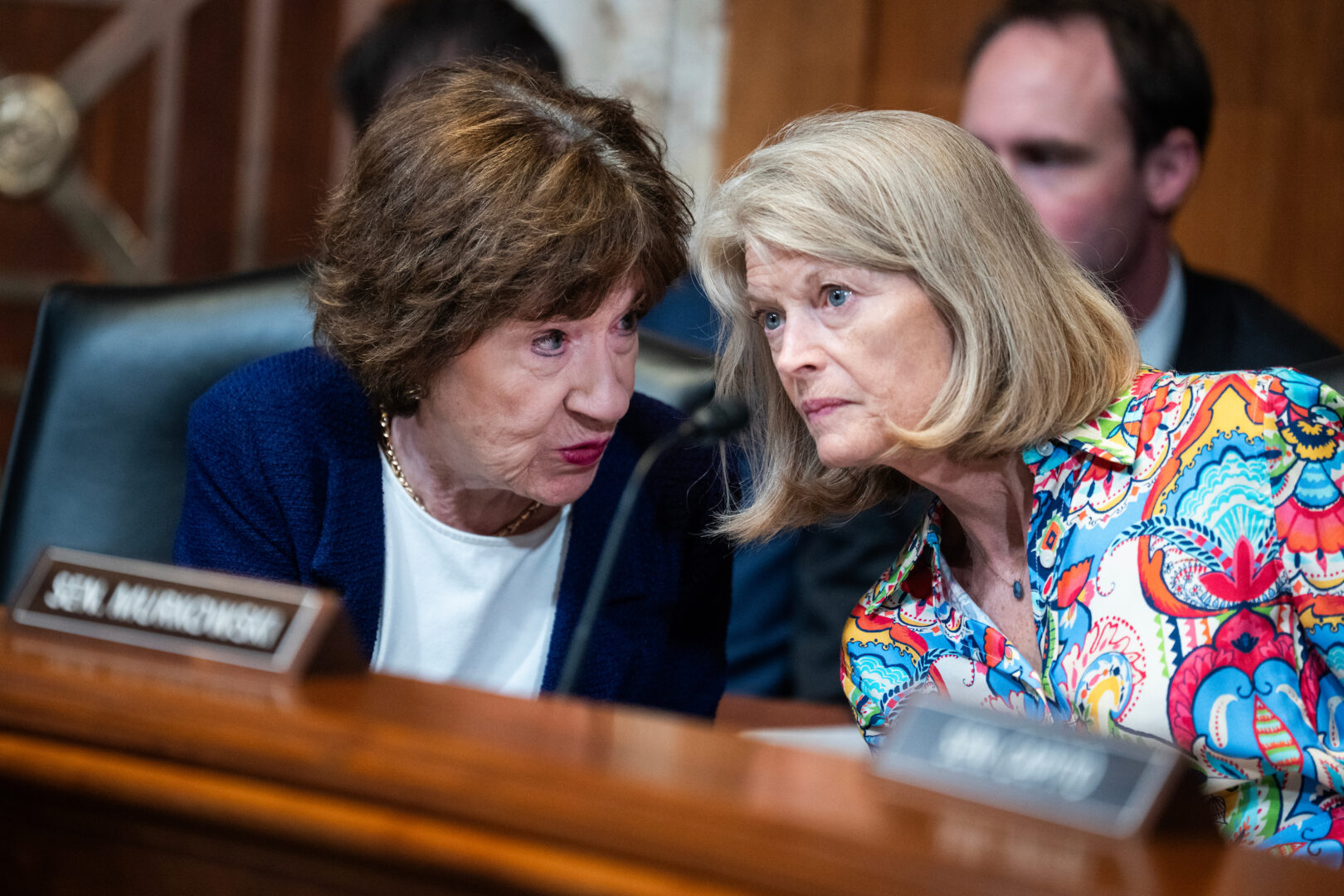
Sen. Susan Collins, R-Maine, chair of the Senate Appropriations Committee, had penned a letter to the White House on Tuesday warning the administration to not move forward, saying the grantmaking process should not become politicized.
The executive order idea arose after the administration in May moved to exert more control over the agency’s process for awarding research funds issuing a proposal, known as the Uniform Guidance proposed rule. It would require political appointees to review discretionary grants to make sure they aligned with presidential priorities and would expand agencies’ ability to terminate grants “for convenience,” among other changes.
The continuing resolution funding the government through mid-December contains a provision delaying implementation of the controversial rule.
Collins referenced that provision on Tuesday when calling on Trump administration officials to drop the executive order idea.
“I urge you not to move forward with this proposal, which would undermine the intent of the CR provision and more important, the Federal government’s objective of funding biomedical research projects based on scientific merit and value rather than political ideology,” she said in the letter to NIH Director Jay Bhattacharya and Vought. “If the administration seeks additional reforms of NIH, I urge you to submit a legislative proposal to Congress rather than pursue an executive order.”
The White House did not immediately return a request for comment.
Aidan Quigley contributed to this report.