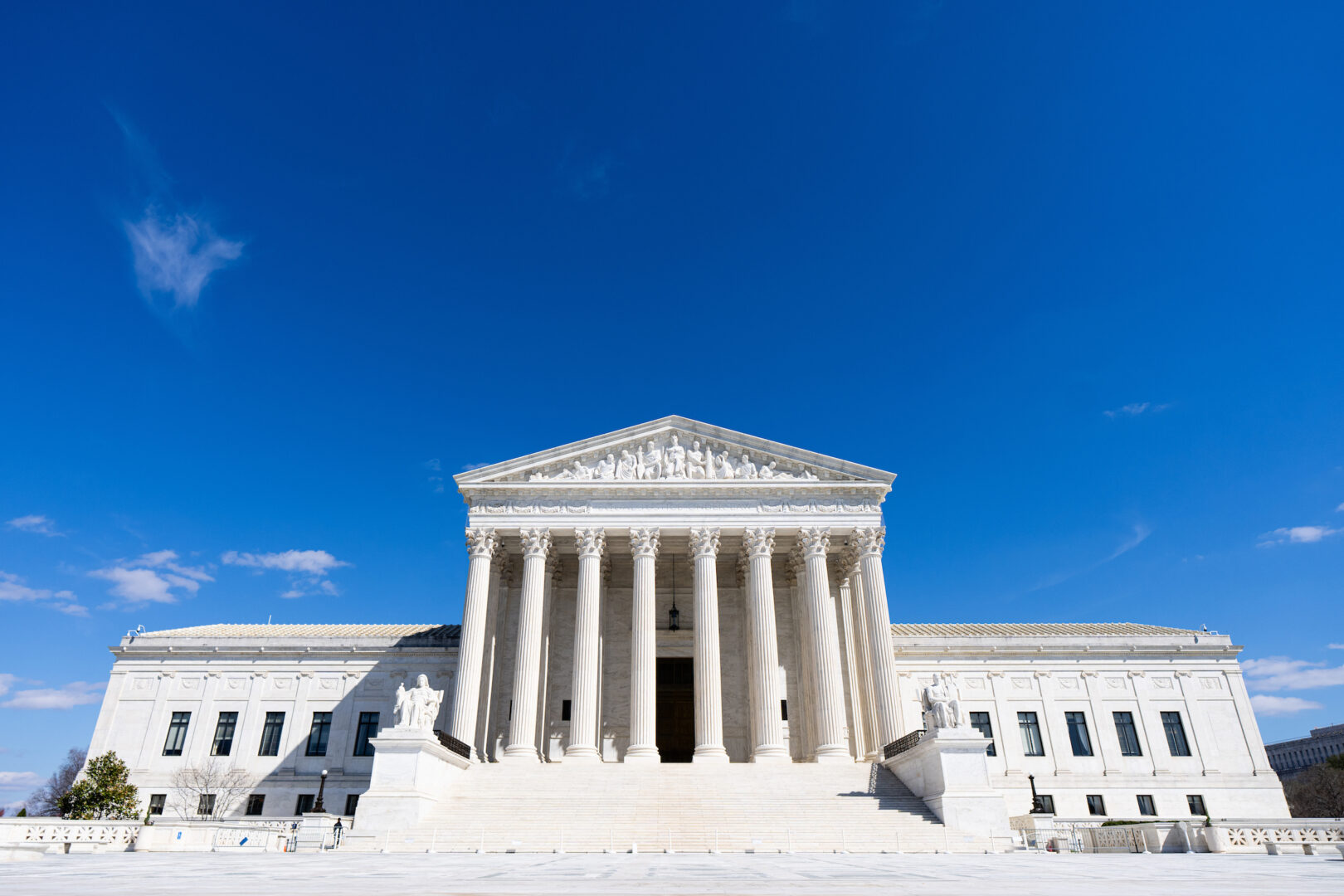
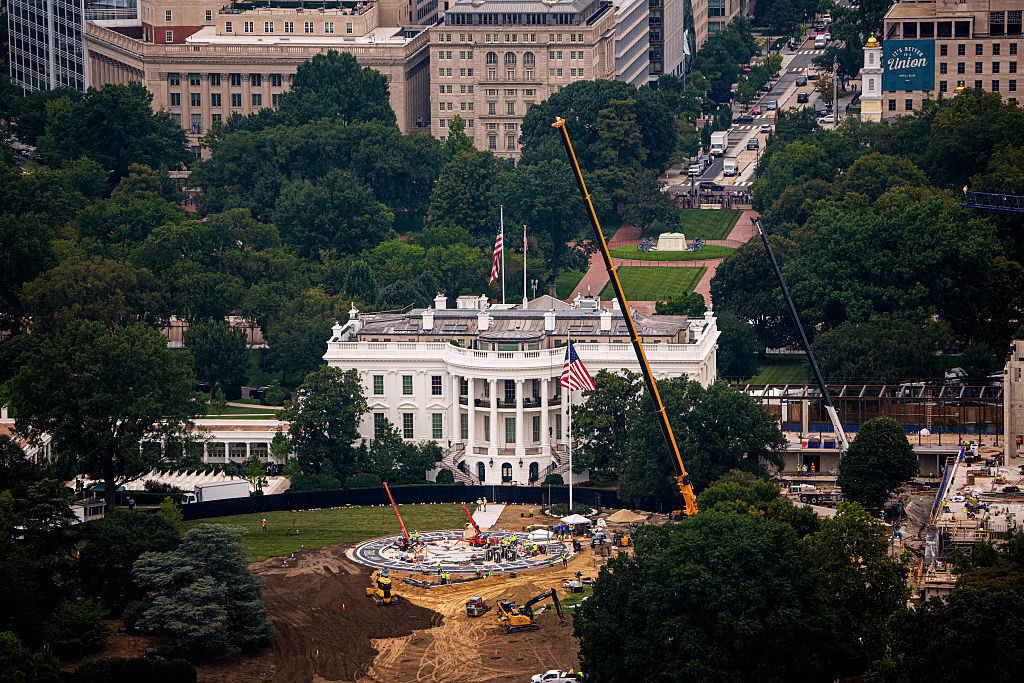
The Supreme Court on Friday agreed to a Trump administration request to temporarily set aside an appellate court ruling that would have stalled above-ground construction on the planned White House ballroom. The one-sentence order, signed by Chief Justice John G. Roberts Jr., did not provide any explanation for his decision, which he said is temporary while the court continues to review the matter pending further rulings. At issue is a preliminary injunction ordered by the U.S. District Court for the District of Columbia and upheld by the U.S. Court of Appeals for the D.C. Circuit earlier this month. That order would have prevented the Trump administration from moving forward with the construction of a ballroom at the site previously home to the White House’s East Wing without congressional approval. The challenge to the ballroom’s construction has been ongoing since Dec. 12, when the National Trust for Historic Preservation argued the administration’s demolition of the East Wing and movement on the ballroom violated the Administrative Procedure Act and the National Environmental Policy Act. The group contested the actions, arguing they would require consultation with the National Capital Planning Commission or the Commission of Fine Arts, an environmental assessment and congressional approval. The appellate court ruling included an order to stop construction specifically on the above-ground portions of the site — offering an exemption from the injunction for certain activities related to safety and security, like a planned secure bunker to sit beneath the ballroom. The stay was scheduled to begin on Friday if the Supreme Court had not intervened, but now construction can continue for the time being as the case proceeds. In a post to his social media platform Truth Social on Friday, President Donald Trump said the administration was "grateful" for the decision. "The Military/Ballroom Complex being built on the hallowed grounds of the White House, which is so vital for National Security, will be THE GREATEST OF ITS KIND!" Trump wrote. "It is something that Presidents have wanted for 150 years, and that the Military has been seeking for the last 100 years." In arguing for a stay of the injunction in court documents this week, the National Park Service reiterated the administration’s argument that the complex is “required by national security” and that any delay of its construction poses “intolerable risks.” The administration also argued that the president has broad discretion over changes to the White House grounds, saying there is precedent to “endorse the longstanding practice by which Presidents have not needed, sought, or obtained specific approval from Congress for construction projects on White House grounds.” But the National Trust for Historic Preservation argued that multiple courts have now agreed the administration has “no unilateral legal authority” to build the ballroom, “And each court has told Petitioners in no uncertain terms that they must stop their illegal construction unless and until they receive express approval from Congress.” The group accused the administration of trying to “outrun judicial review” by accelerating construction of the facility while the appellate court was reviewing the case. They added that the stay on construction ordered by the appellate court earlier this month was narrow enough to allow the continuation of work on the “underground military facility” that they say was previously the administration’s “sole articulated national-security concern.” Congressional Republicans introduced legislation to formally authorize the ballroom following the shooting at the White House Correspondents’ Association dinner in April, but those measures have not yet moved forward. David Jordan contributed to this report.