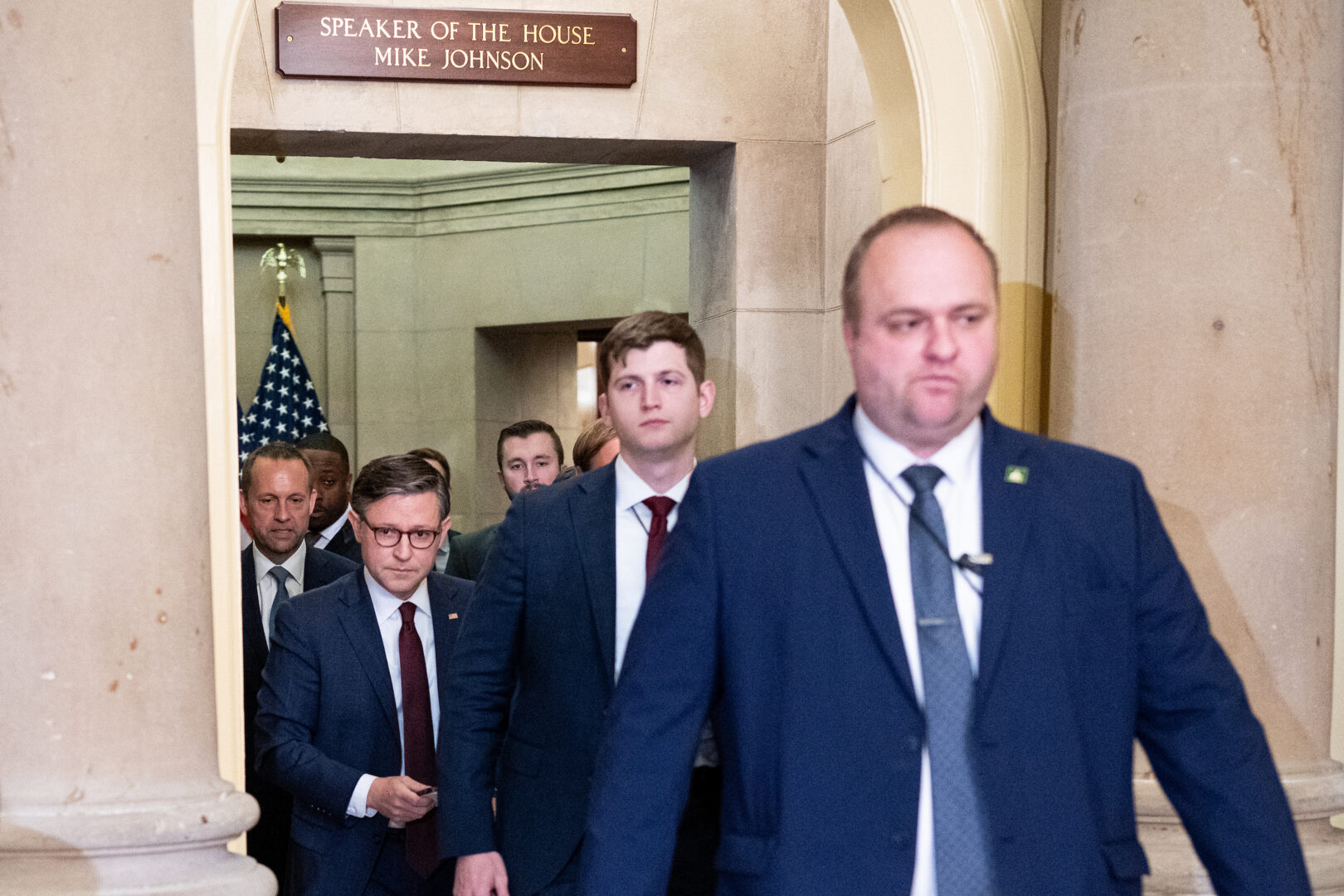
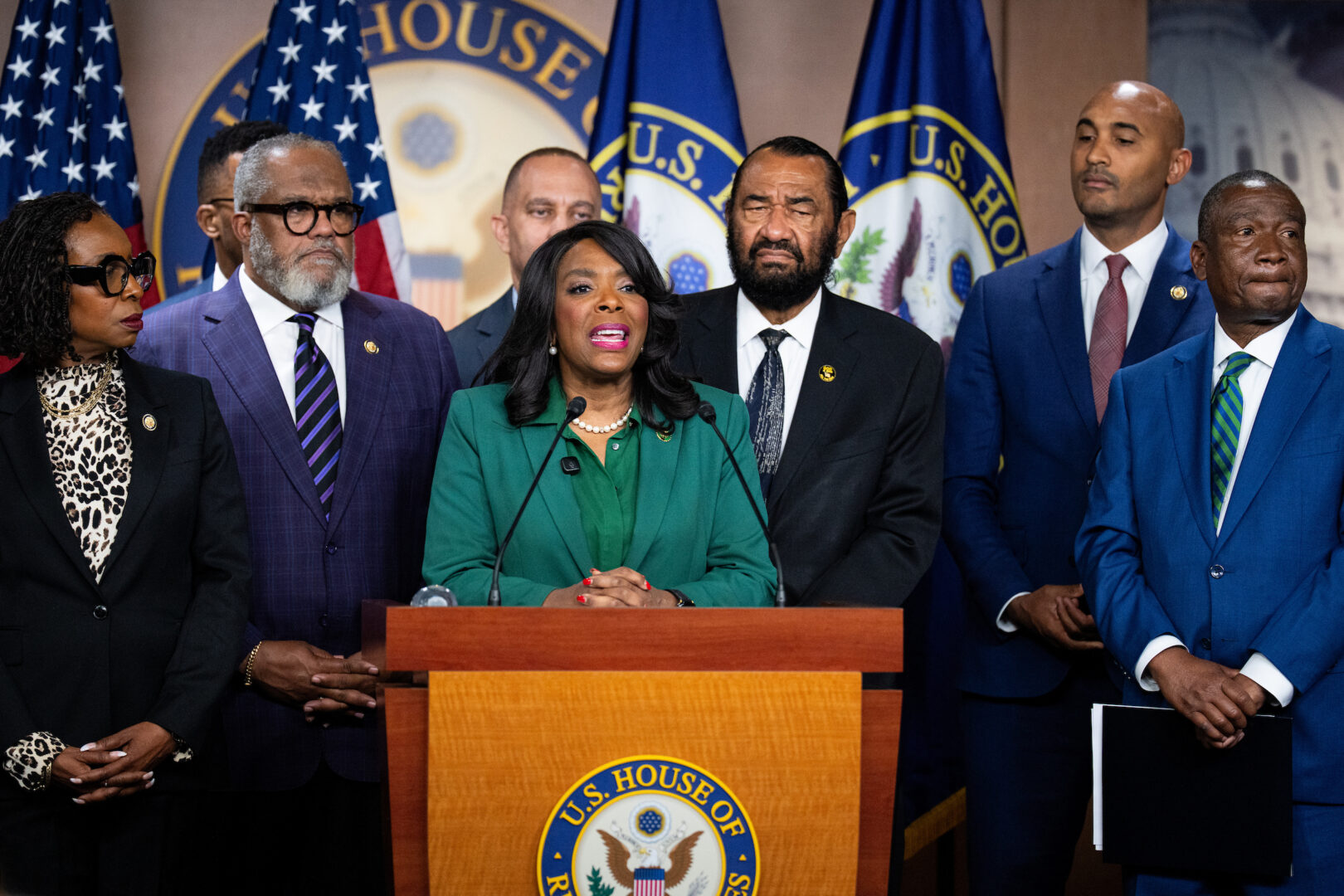
The House passed a renewal of a key surveillance power Wednesday, a day before its statutory authority expires, sending it to a Senate that appears unlikely to pass that version of it. The House, in a 235-191 vote that split members of both parties, approved legislation that would renew Section 702 of the Foreign Intelligence Surveillance Act for three years and include new provisions to address privacy concerns some lawmakers have with the program. The House attached language that also would prohibit the Federal Reserve from issuing a central bank digital currency, a bill fueled by privacy concerns associated with the technology. That measure passed the House last year as its own bill and was added to the Section 702 reauthorization in an apparent bid to flip privacy-minded GOP holdouts. The digital currency measure has not passed the Senate, where Majority Leader John Thune, R-S.D., told reporters Wednesday evening that the Senate would instead likely pursue a 45-day, clean extension of the program, meaning an extension with no changes. Thune said the anti-CBDC legislation tacked onto the reauthorization is a no-go for his chamber. “We're probably gonna end up doing it short-term and probably send it back,” Thune said. Congressional leaders are scrambling this week to renew the surveillance power before its statutory authority expires Thursday. The House has grappled for weeks with how to reauthorize the program, with Speaker Mike Johnson, R-La., facing stark pushback from members of his own party who wanted further privacy protections for Americans. Section 702 allows the U.S. government to collect digital communications of foreigners located outside the country. But the program is controversial because it also sweeps up the communications of Americans and allows the FBI to search through data without a warrant, using information such as an email address. The legislative product includes oversight changes to the authority but does not include a warrant requirement long sought by privacy hawks in both parties. Intelligence-focused lawmakers cheered the passage Wednesday. House Intelligence Chairman Rick Crawford, R-Ark., said he is hoping the Senate will pass the legislation. “We got a lot of bipartisan support for it. And that, to me, shows that this was a solid measure,” Crawford said. “And the Senate ought to not argue with us about it, but just understand that it needs to be acted on quickly.” Rep. Darin LaHood, R-Ill., said he was "pleasantly surprised” at the vote and said he gives his Democratic colleagues “a lot of credit for stepping up to support FISA.” “I think there’s a collective recognition we can’t allow FISA to go dark,” LaHood said. “It is indispensable to national security.” Along with the anti-CBDC legislation, the House-passed bill would order the attorney general to issue new procedures that ensure the access of congressional lawmakers and staff to Foreign Intelligence Surveillance Court proceedings. It also includes a provision to requiring the FBI to provide the civil liberties protection officer within the Office of the Director of National Intelligence with the written statements for searches related to American information collected under the surveillance authority. House votes Earlier this month, Republican privacy hawks banded together with nearly all Democrats to torpedo reauthorization proposals that did not include a warrant requirement for searches associated with American information. But on Wednesday, dozens of Democrats joined Republicans in passing the three-year reauthorization without such a warrant requirement. Crawford said he wasn’t surprised by the number of Democrats who sided with Republicans. “In the end, most responsible members understand how important it is that we keep this national security tool operational,” Crawford said. Many House Democrats, including some who voted for the final reauthorization bill during the last reauthorization cycle, had come out in opposition to a clean extension of the spy authority. They had argued the Trump administration has violated Americans privacy rights, dismantled oversight forces and shown a willingness to use sensitive data for political means. The Trump administration has previously pushed for a clean reauthorization. Savannah Behrmann contributed to this report.