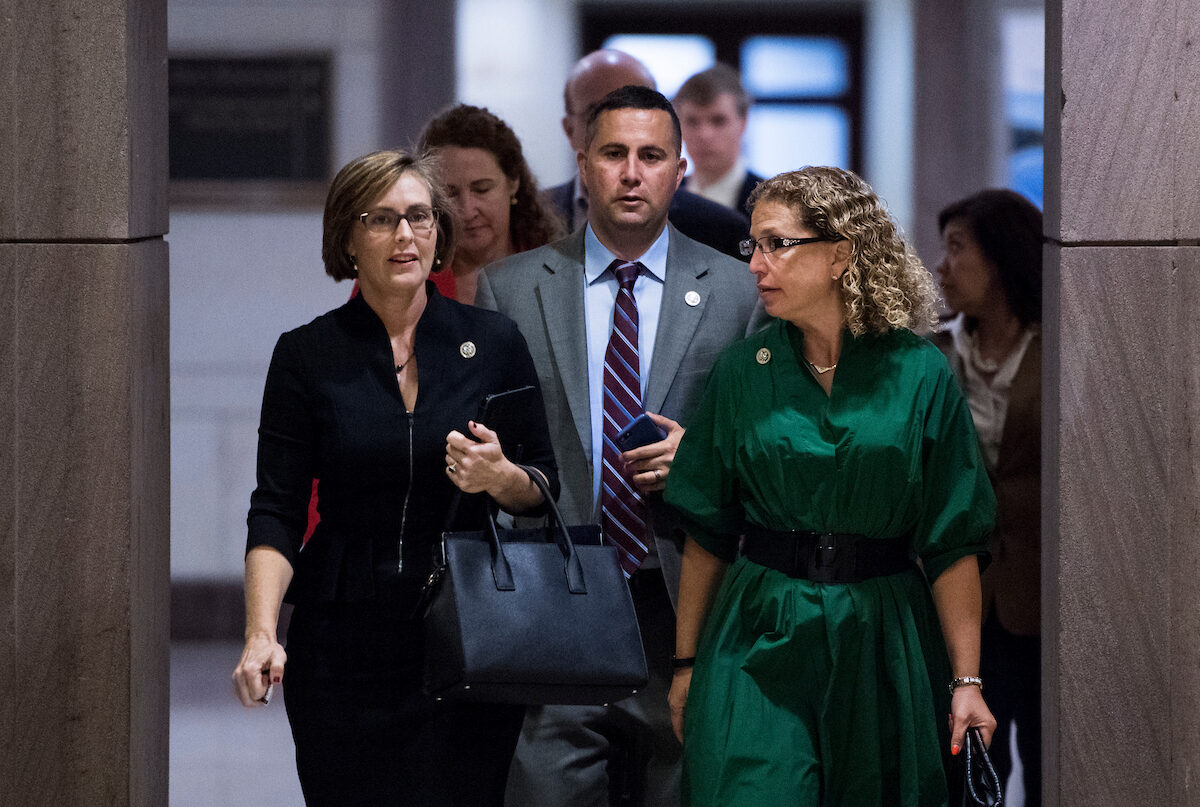
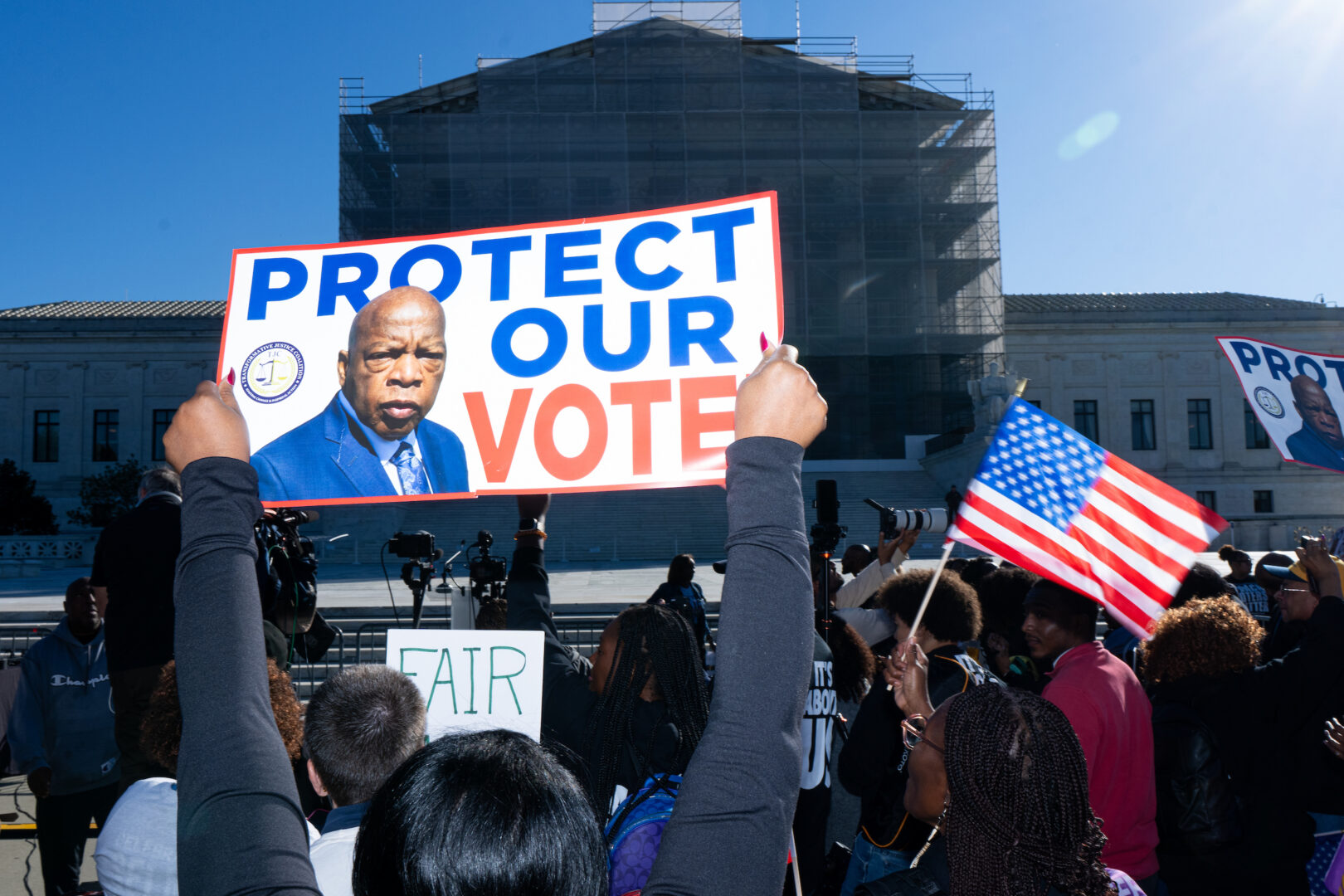
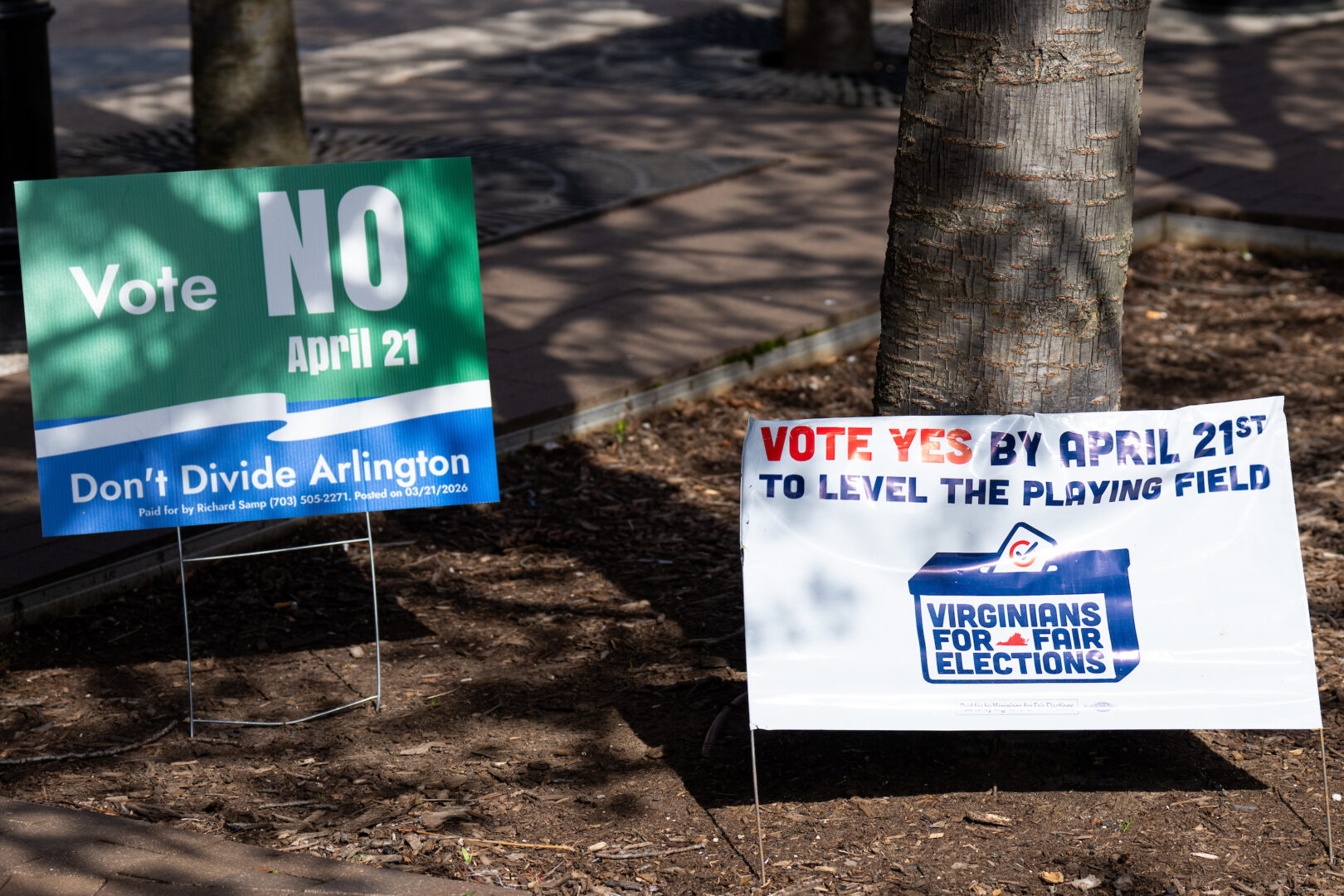
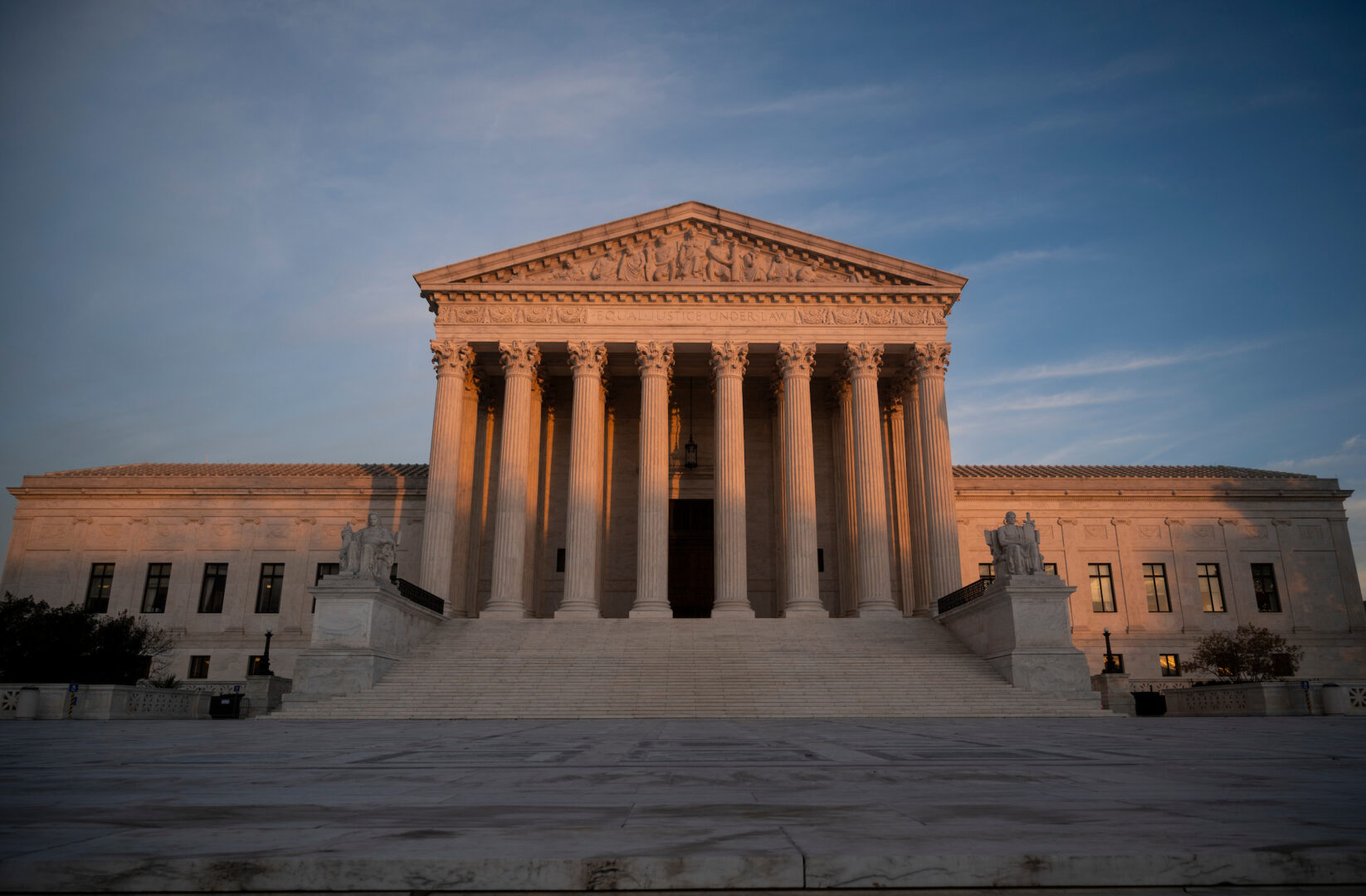
The Republican-controlled Florida Legislature on Wednesday approved a new congressional map that could give the GOP up to four pickup opportunities in November. The state Senate backed the new map, 21-17, a few hours after the state House had pushed it through in an 83-28 vote during a special session called by Gov. Ron DeSantis. The Republican governor, who unveiled the new map on Monday, is expected to sign the new lines into law. The map’s approval came on the same day that the U.S. Supreme Court invalidated Louisiana’s congressional map, a decision that could lead to further redistricting across the country in a cycle that has already seen several states redrawing their maps ahead of the midterms. Under the new Florida map, Republicans would be favored to win 24 of the state’s 28 congressional districts, compared with the 20 the GOP currently holds there. According to calculations by Inside Elections with Nathan L. Gonzales, the targeted Democrat-held seats include Rep. Kathy Castor’s Tampa-area district and Rep. Darren Soto’s seat in the Orlando area. A pair of blue South Florida seats would also shift toward Republicans, potentially jeopardizing the reelections of Democrats Jared Moskowitz and Debbie Wasserman Schultz. “This bill is not redistricting reform. It’s a partisan map drawn in secret, on demand from Washington, and shoved through this chamber on a clock designed to keep the public out of the room,” state House Minority Leader Fentrice Driskell said during debate Wednesday. Democrats in the state House sought to recess debate to process the Supreme Court ruling, but Republicans in the chamber opposed such a delay. The state Senate, though, did pause after the ruling came out. By a 6-3 decision, the Supreme Court found that Louisiana should not have been forced to draw a second Black-majority district to comply with the Voting Rights Act and that the map it drew as a result violated the Constitution. DeSantis said on social media that he had anticipated that decision and that his new Florida map accounted for the Supreme Court ruling. “Called this one months ago,” the governor said on X. Florida Democrats are expected to challenge the new map once it becomes law. The state constitution includes the so-called Fair District Amendments, which say the congressional map should not be drawn with partisan intent. David Axelman, general counsel to DeSantis, wrote in a letter to state legislators after the Supreme Court ruling that Florida’s “intentional compliance” with the Fair Districts Amendments would require the state to "to satisfy the extraordinarily onerous standard of proving that its use of race was narrowly tailored to further a compelling governmental interest.” “Florida cannot do so,” Axelman added. During a committee hearing Tuesday, the first day of the legislature’s special session, an aide to DeSantis reportedly said he had considered partisan data while drawing the new congressional lines but meant for the map to be “race neutral.” Florida is the latest state to weigh changes to its congressional map ahead of this year’s midterms. Once the new map is enacted, Florida would join Texas, Missouri and North Carolina as Republican-led states to have redrawn their congressional boundaries to help give their party an edge in the battle for control of the House. Republicans could also pick up two seats in Ohio, where redistricting was constitutionally required ahead of this year’s elections. But Democrats responded in kind, setting up referendums in Virginia and California, where voters approved new maps that would give themselves the chance to win up to nine additional House seats in November. A legal challenge to Utah’s House map also resulted in Democrats getting a strong pickup opportunity there. Michael Macagnone contributed to this report.