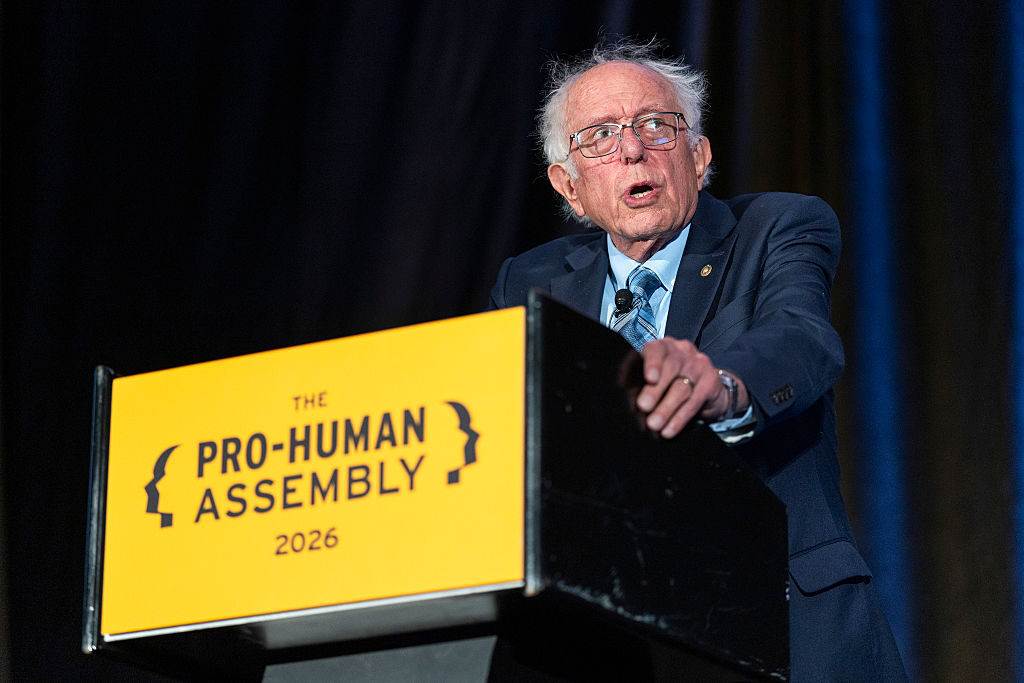
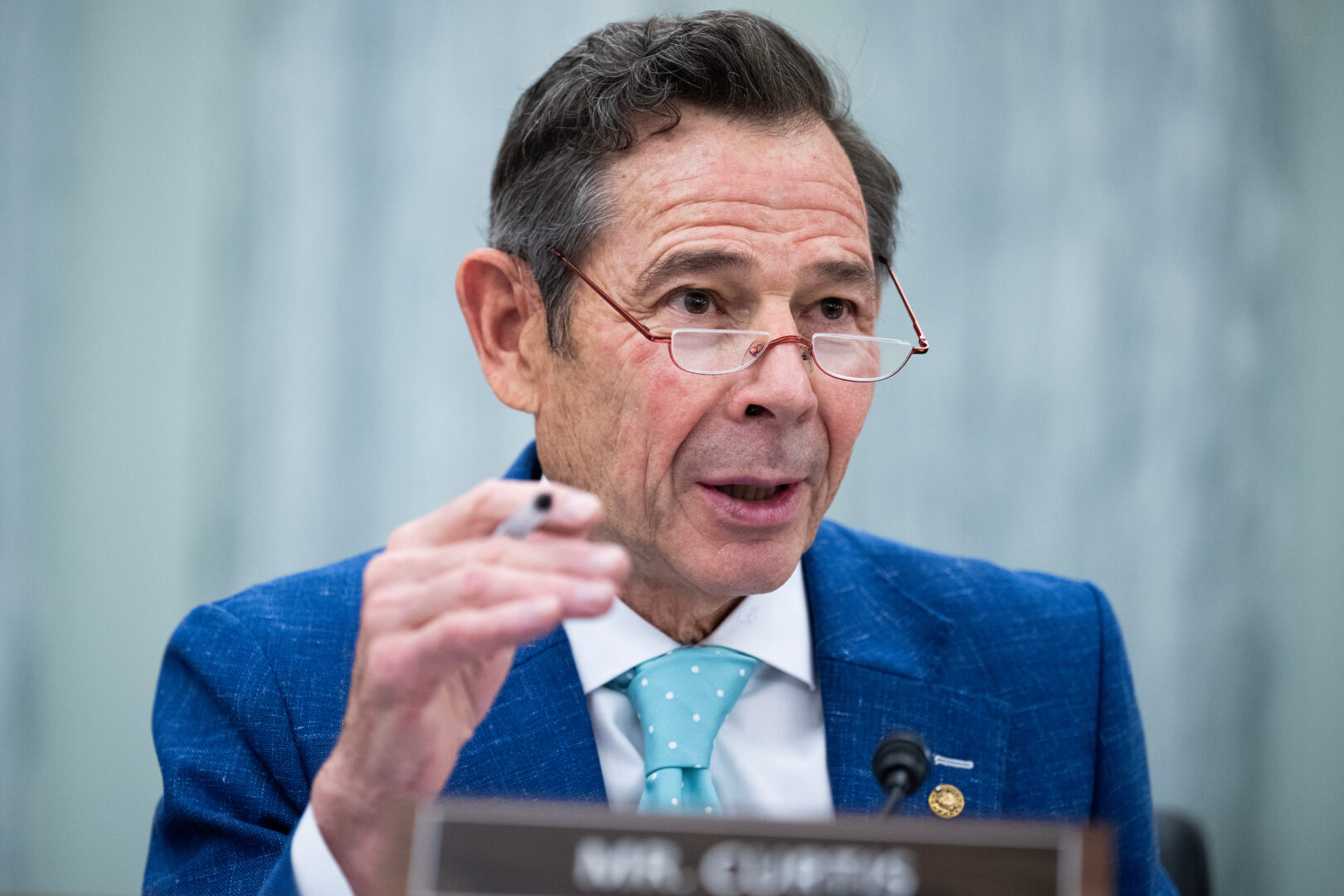
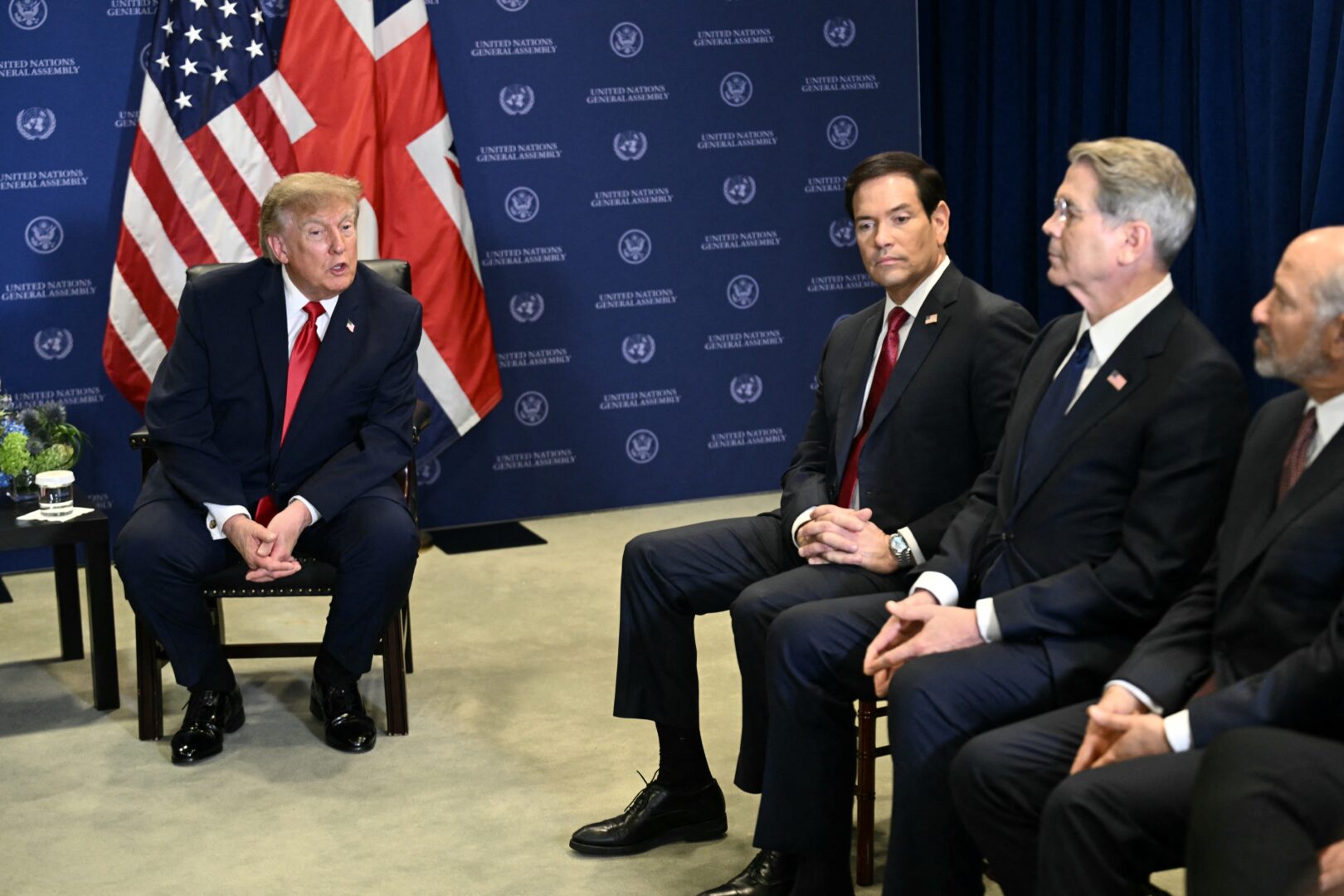
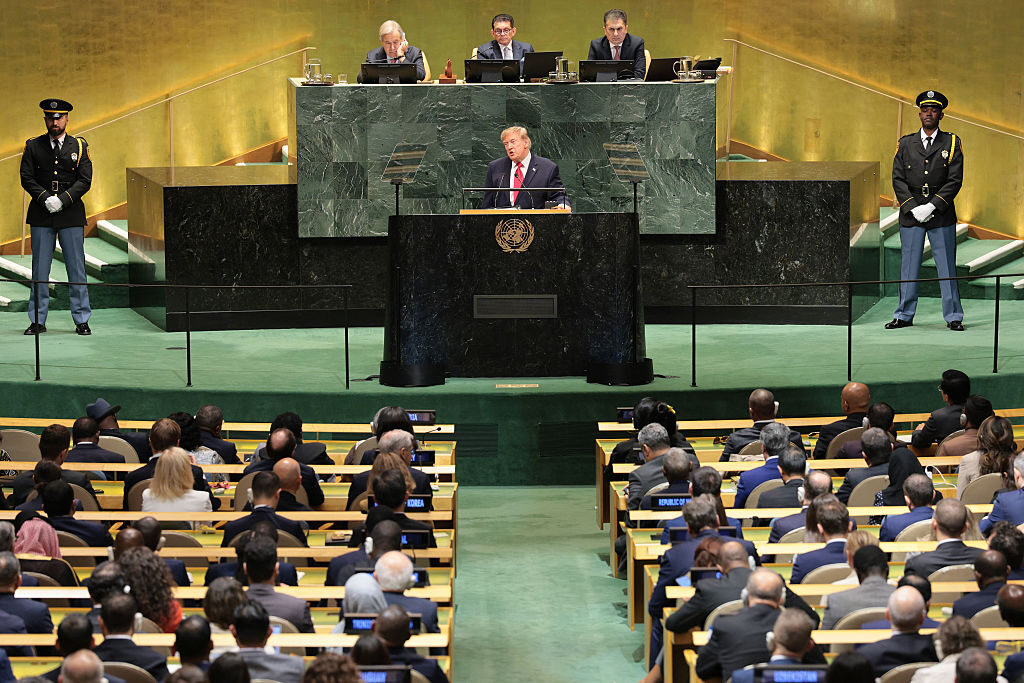
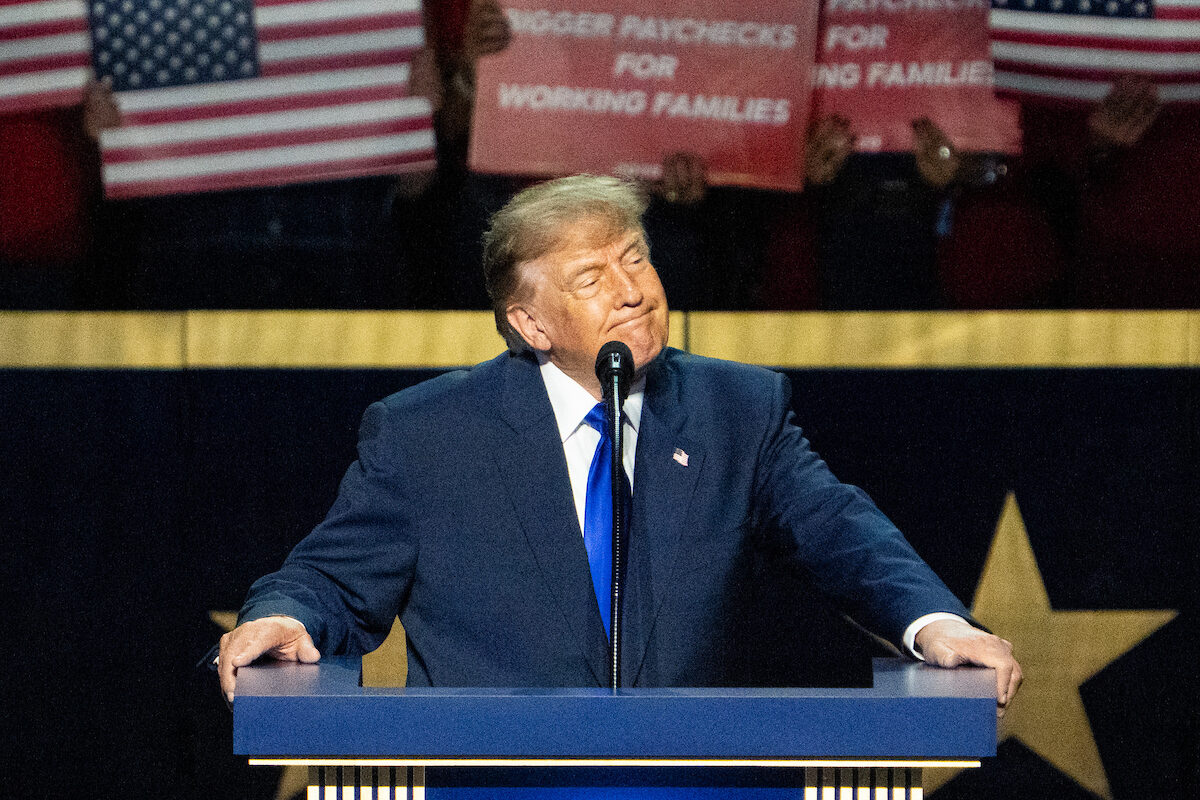
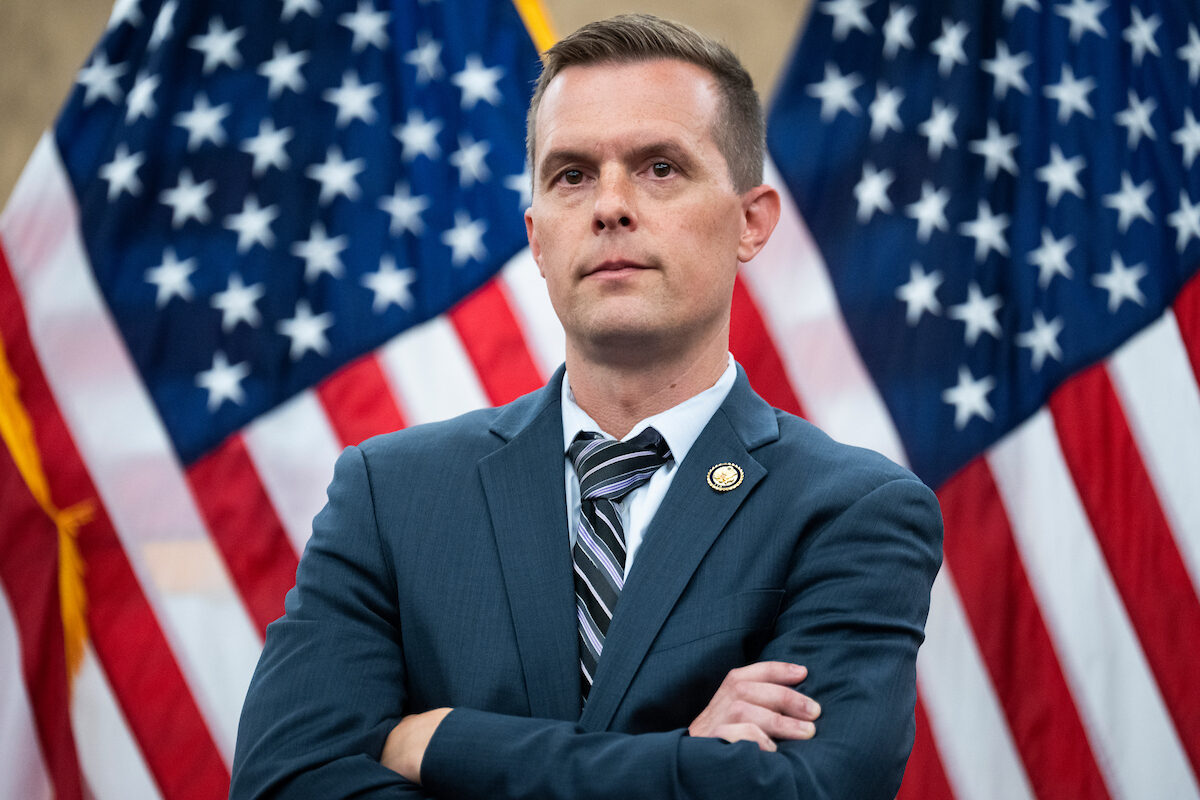
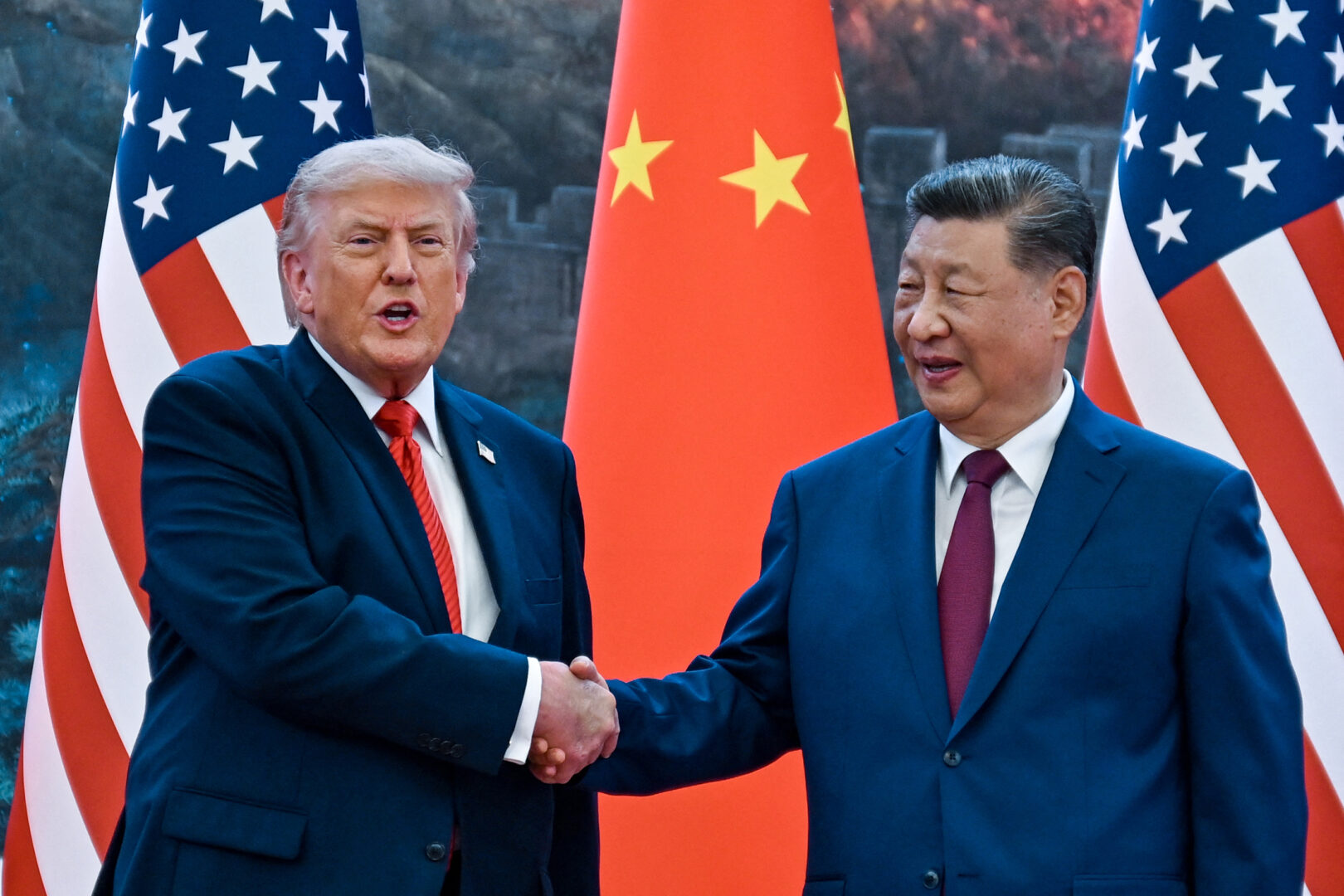
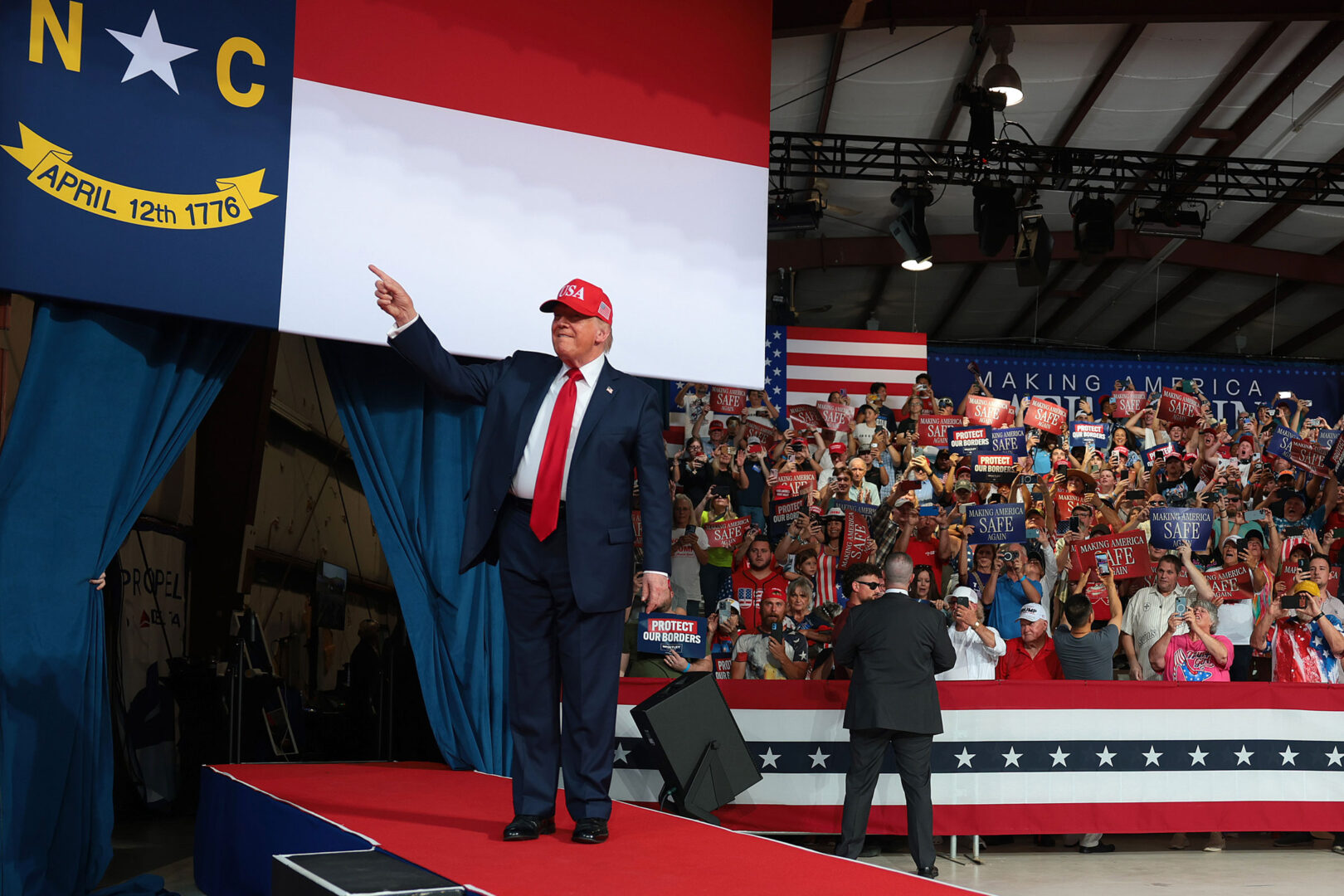
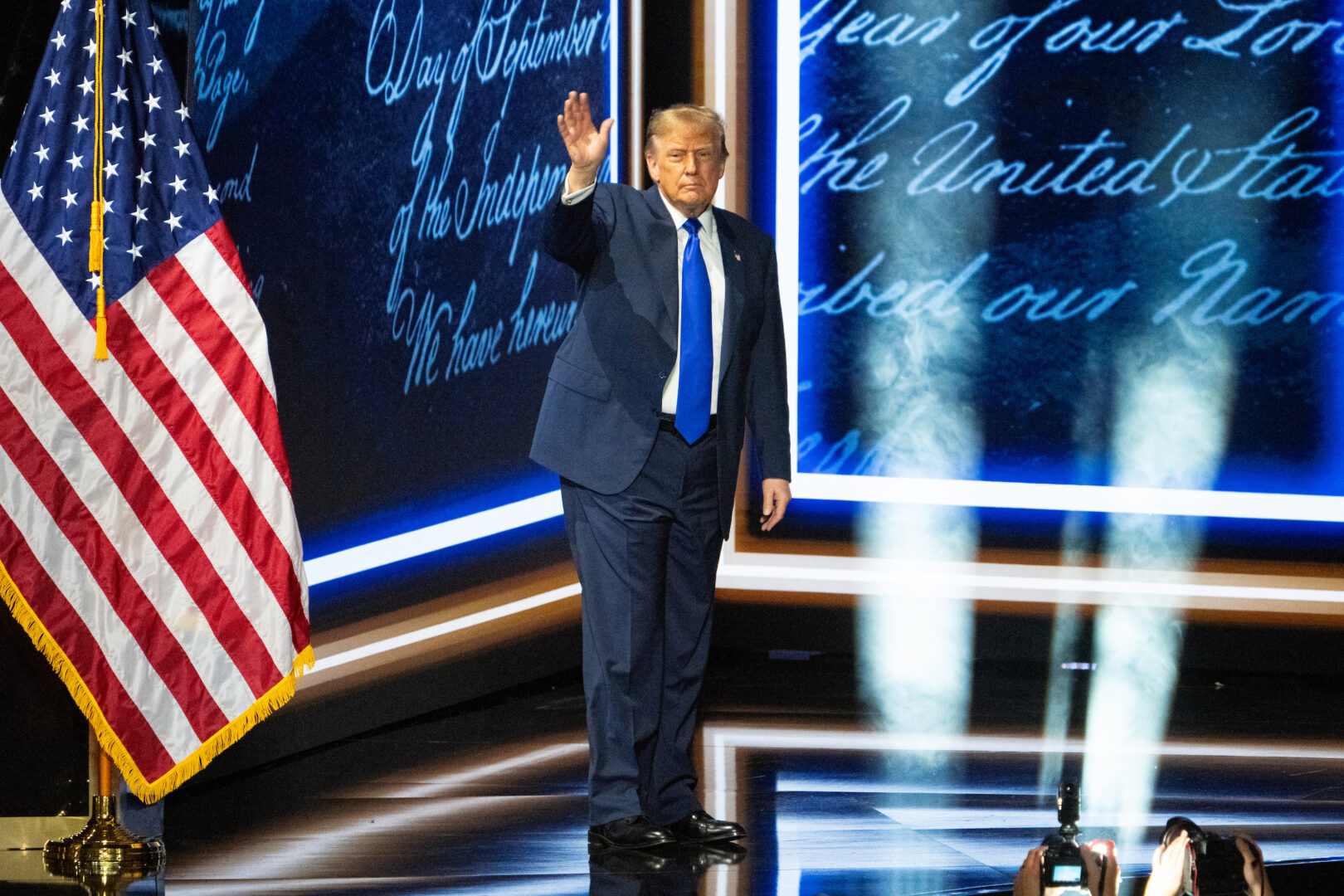
Amid industry and government calls for a pause on the most advanced artificial intelligence development, leading progressives are drawing a line in the sand on one type of AI. Sen. Bernie Sanders, I-Vt., and Rep. Greg Casar, D-Texas, who chairs the Congressional Progressive Caucus, unveiled legislation Wednesday that would ban AI “superintelligence” that exceeds human cognition across domains or is capable of destroying humanity. Their as-yet unnumbered proposal, which the lawmakers had previously announced earlier this month, would also pause the development of advanced AI pending the establishment of a federal Department of Artificial Intelligence and that department’s promulgation of AI safety rules. Sanders’ and Casar’s legislation was unveiled during a week of AI conversation centered on Chinese President Xi Jinping’s state visit with Trump in Washington. Earlier in the week, speaking at the U.N. General Assembly President Donald Trump repeated his opposition to a “globalist scheme to control” AI. He also said he would call AI “superintelligence” because the word artificial “makes it sound fake.” Trump also framed AI development, once again, as a race. “Whoever wins AI, you have to remember this … whoever wins SI, whoever wins superintelligence wins,” Trump said Tuesday. “That's the group that wins. And we're leading now over China by a lot and everyone else and we're going to keep it that way.” Superintelligence is generally used to refer to theoretical AI that surpasses not just current models, but the also-theoretical “artificial general intelligence” that could equal human reasoning. In a call with reporters on Wednesday, Sanders said it is “fairly insane” that the tech industry doesn’t know where AI may go next. “If the leaders acknowledge they are losing control it is irresponsible in my view to allow them to move forward and make these products even more advanced,” he said. Sanders expressed concerns that AI could cause a catastrophic event at the scale of the Chernobyl nuclear disaster or a global pandemic. He also said AI could be a danger to democratic institutions and the global financial system. Their bill would require the new AI-focused department, supported by scientific and technical advice from a new board, to establish rules for AI development, including requirements for firms to submit pre-development plans to the department and get final approval before public deployment. Casar said the bill would not pause all AI systems, and expressed excitement about the technology’s potential to lead to “medical breakthroughs.” He also highlighted the bill’s ban on AI systems that display “superintelligence precursor characteristics.” Those would include the capacity to “uplift” the design of nuclear, chemical or biological weapons, deceive humans or modify its own functions. Sanders urged Trump to work with Xi on limits to AI, including a ban on superintelligence. The new bill would require the AI Department to work with the State Department to pursue international agreements to ban superintelligent AI. Casar said that some, including in the tech industry, have pushed back on a mandatory domestic pause without such an international agreement. Casar said that voluntary commitments from industry based on their own risk tolerance “is not how this works in any other industry.” Rep. Ro Khanna, D-Calif., who serves as ranking member of the Select Committee on the Chinese Communist Party, also called for Trump and Xi to focus on AI safety. “The American people are deeply concerned about the future of AI and the potential risks,” Khanna said in a statement on Wednesday. “We urgently need an agreement with China on basic inspections and safety standards.” Brendan Steinhauser, CEO of the Alliance for Secure AI, said in a statement that Sanders and Casar “deserve credit for taking superintelligence seriously and pushing Congress to act,” but stopped short of endorsing the ban. “While we support lawmakers confronting the risks of superintelligence head-on, The Alliance believes that a more measured approach is necessary to get this right,” Steinhauser said. In a Sept. 2 op-ed, Steinhauser previously called for Trump and Xi to reach an “enforceable, verifiable” deal on AI to “end the reckless competition.”